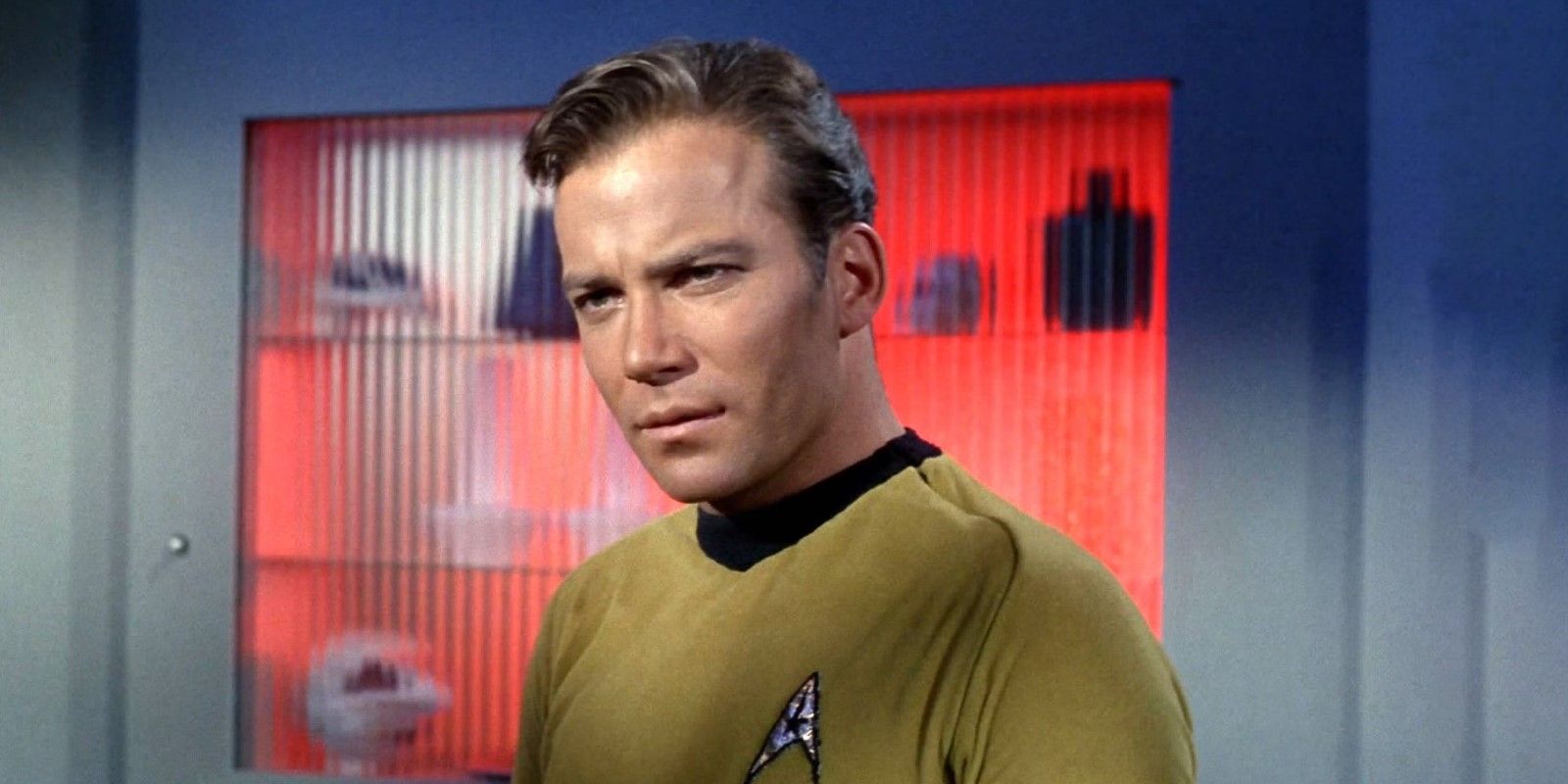
Anson Mount's Captain Pike has emerged as the gold standard for Star Trek leadership, surpassing even William Shatner's iconic James T. Kirk in embodying Starfleet's core values. Mount's portrayal across "Discovery" and the subsequent "Strange New Worlds" series demonstrates a captain who leads through empathy, decisive moral courage, and unwavering commitment to Starfleet principles rather than personal ambition.
Where Kirk often bent rules and chased glory, Pike operates from a foundation of genuine care for his crew and the people his starship encounters. Mount's Pike listens before acting, weighs ethical consequences, and makes decisions rooted in compassion rather than ego. His approach to command reflects the Federation's stated ideals of exploration and peaceful cooperation, not the maverick heroism that defined Kirk's Enterprise years.
Mount brought Pike to life first as a supporting character in "Discovery's" opening seasons, establishing him as a mentor figure whose quiet competence and moral clarity stood out. When Paramount+ handed him the captain's chair in "Strange New Worlds," the series became a showcase for Pike's leadership philosophy. The show found critical success and strong fan devotion by centering episodes on Pike's problem-solving skills and his genuine relationships with crew members like Number One (Rebecca Romijn) and Chief Engineer La'an Noonien-Hudson.
Pike's advantage over Kirk lies in his consistency. Kirk's captaincy often hinged on improvisation, romantic entanglements, and bending Starfleet protocols to his will. Pike operates within the system while still achieving remarkable results. He doesn't need to remove his shirt or seduce his way through diplomatic situations.
For modern audiences invested in leadership narratives that prioritize emotional intelligence and ethical consistency, Pike represents Star Trek's best vision of what a captain should be. Mount's performance carries weight and authority without rel