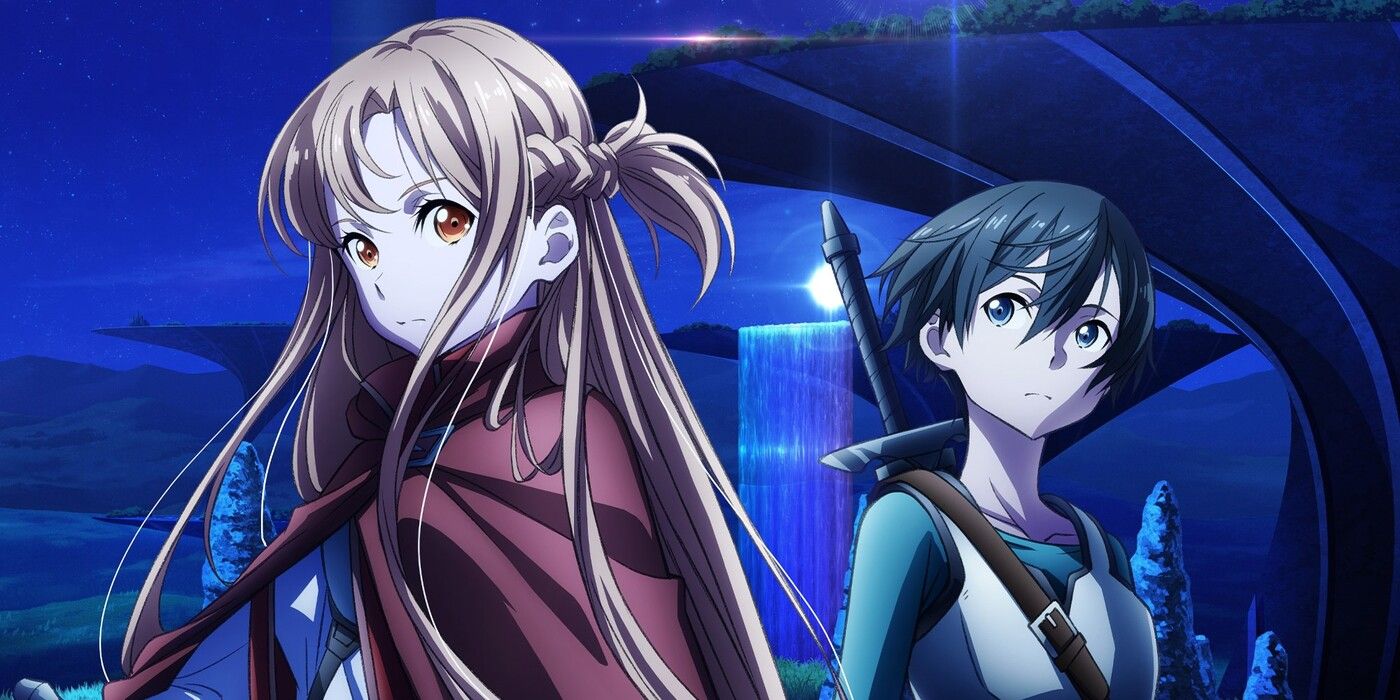
Sword Art Online returns this month with a major release that has fractured its fanbase. The long-running anime franchise, which captured audiences with its virtual reality MMO premise and Kirito's journey through deadly digital worlds, has been largely absent from screens for several years. That drought ends now with what the studio positions as one of the property's biggest drops yet.
The return proves divisive. Some longtime fans celebrate the franchise's resurgence and what they see as a return to form. Others express skepticism about new creative directions or concerns that the series has lost momentum during its absence. The split reflects broader patterns in anime fandom, where extended hiatuses often reset expectations and create schisms between those who want innovation and those chasing nostalgia.
SAO's cultural footprint remains substantial despite years away. The franchise pioneered the isekai boom and virtual reality premise that defined mid-2010s anime. Creator Reki Kawahara's source material spawned multiple seasons, films, spin-offs, and a devoted international audience. The property's return carries weight because SAO essentially defined a generation's anime consumption.
The specifics of what's launching remain unclear, but the studio's confidence in calling it one of their biggest releases signals major investment. Whether this manifests as a new anime season, film, or gaming tie-in, the franchise clearly aims to reclaim relevance against a crowded anime landscape now dominated by shows like Jujutsu Kaisen, Attack on Titan's conclusion, and ongoing isekai saturation.
The fanbase fracture hints at deeper questions about legacy franchises returning after extended absence. Can SAO recapture what made it essential viewing, or does the current anime ecosystem make that impossible? The divided response suggests the franchise enters this moment with both nostalgic goodwill and genuine uncertainty about whether it still has something fresh to offer.