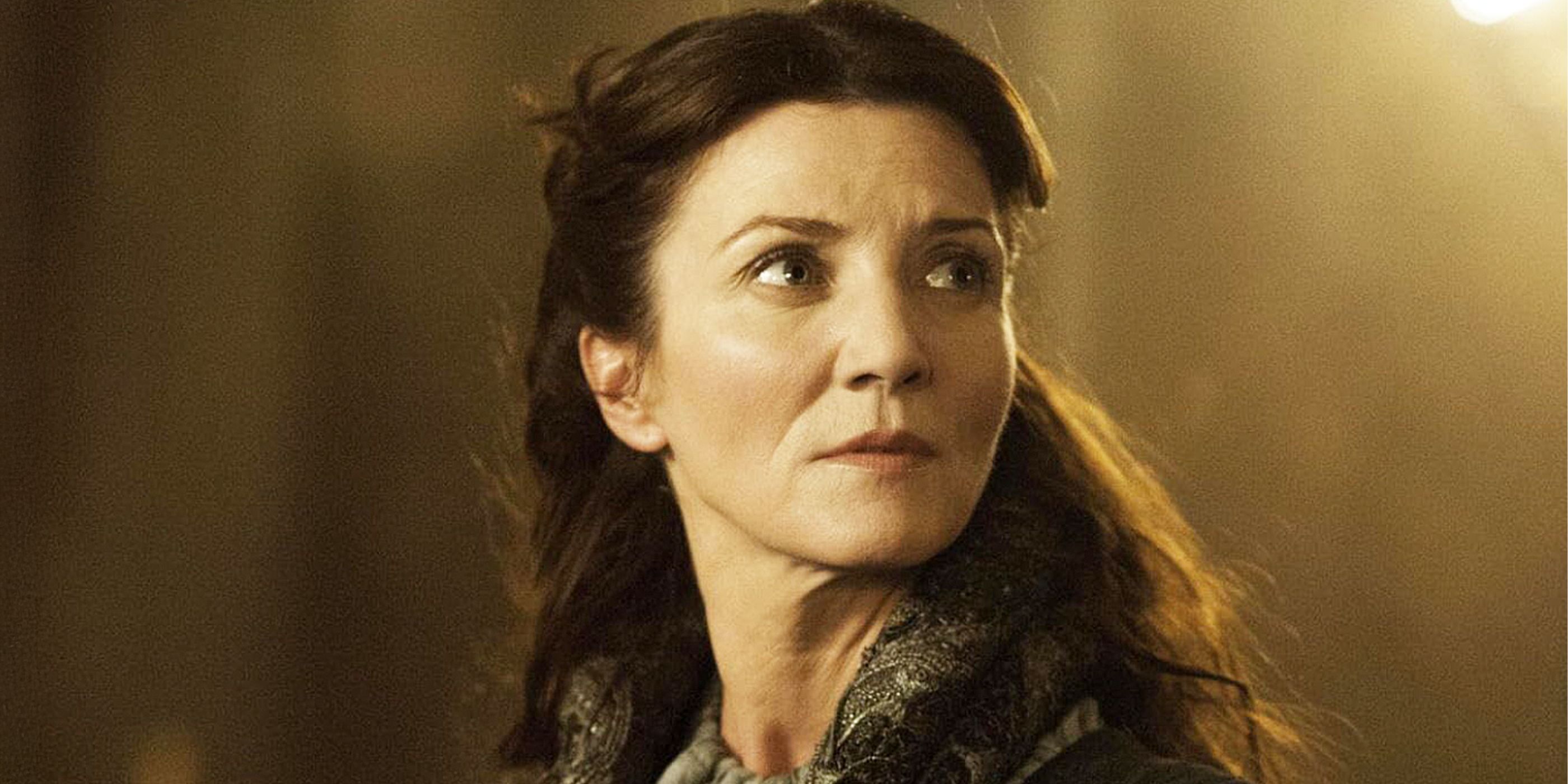
HBO's Game of Thrones concluded in 2019, leaving massive chunks of George R.R. Martin's source material unexplored on screen. The show diverged sharply from the books starting in Season 6, when showrunners David Benioff and D.B. Weiss outpaced Martin's publishing pace. That gap created a fundamental problem: certain plotlines never made the transition to television.
The books contain sprawling subplots that simply never fit HBO's narrative. Some involve minor characters Martin developed extensively on the page but the show compressed or eliminated entirely. Others explore political intrigue and regional conflicts that felt extraneous to the main thrust the showrunners pursued. Still others were abandoned when HBO's version chose different character arcs, killing off figures or resolving conflicts in ways Martin hadn't written yet.
Fans invested in the Dunk and Egg novellas, the Targaryen history, and the deeper lore of Westeros have largely accepted that the show was always going to be a different beast from the books. Game of Thrones had to collapse massive ensemble casts into manageable television storytelling. Martin's five published novels contain thousands of pages of material. A literal adaptation was never feasible.
The question now centers on whether Martin will finish The Winds of Winter and A Dream of Spring before his own mortality becomes an issue the fandom faces directly. HBO has moved forward with House of the Dragon, a prequel series, while the book series remains incomplete. This leaves fans in limbo, unable to know whether the show's ending reflects Martin's actual endgame or if the books offer a radically different conclusion when they finally arrive.
The unfinished nature of the source material means certain storylines will remain forever locked in Martin's manuscripts or abandoned entirely. Those plotlines represent roads not taken, narrative experiments that either failed to resonate or simply