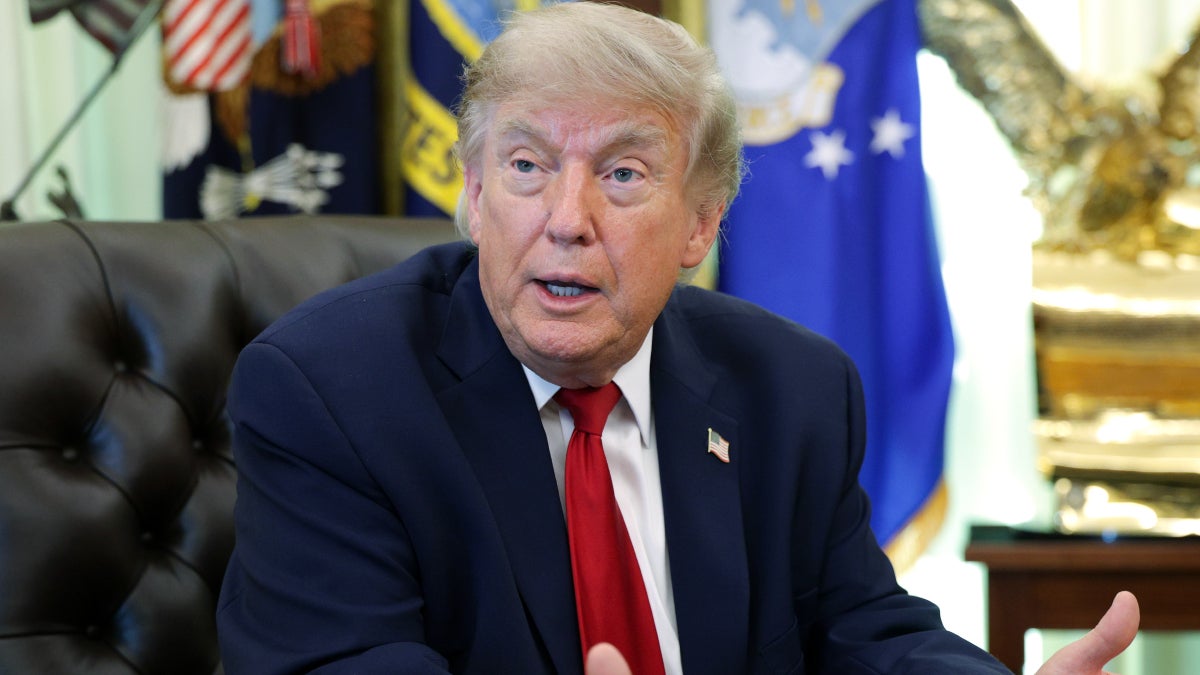
Donald Trump admitted to calling FIFA President Gianni Infantino to lobby for a red card reversal involving a US soccer player at the World Cup. Trump stated his belief that the initial call was incorrect, saying "I didn't think it was a foul" regarding the incident with Folarin Balogun.
The admission raises questions about presidential intervention in international sporting affairs. FIFA maintains strict protocols around officiating decisions, and direct pressure from world leaders on league administrators represents unusual territory for the organization. The move echoes Trump's long history of weighing in on sports controversies, from his criticism of NFL players kneeling during the national anthem to his various Twitter feuds with athletes and leagues.
Balogun, who plays for Arsenal in the Premier League, has represented England internationally but can still compete for the USMNT through his family heritage. The specifics of the red card incident and timeline of Trump's call remain unclear from available reporting, but the intervention underscores how closely Trump monitors American athletic performance on the global stage.
The revelation lands amid ongoing debates about the politicization of sports and the boundaries of executive influence. FIFA typically shields referees and disciplinary decisions from external pressure, maintaining that competitive integrity depends on independence from political interference. Whether Infantino granted Trump's request or merely accepted the call remains undisclosed.
This incident adds another layer to Trump's documented pattern of inserting himself into sports narratives. His engagement with athletic governance reflects both his celebrity background in entertainment and his tendency to treat international relations through a transactional lens. Whether such direct appeals from US leadership become normalized or represent a singular outlier will likely depend on FIFA's response and future precedent-setting.