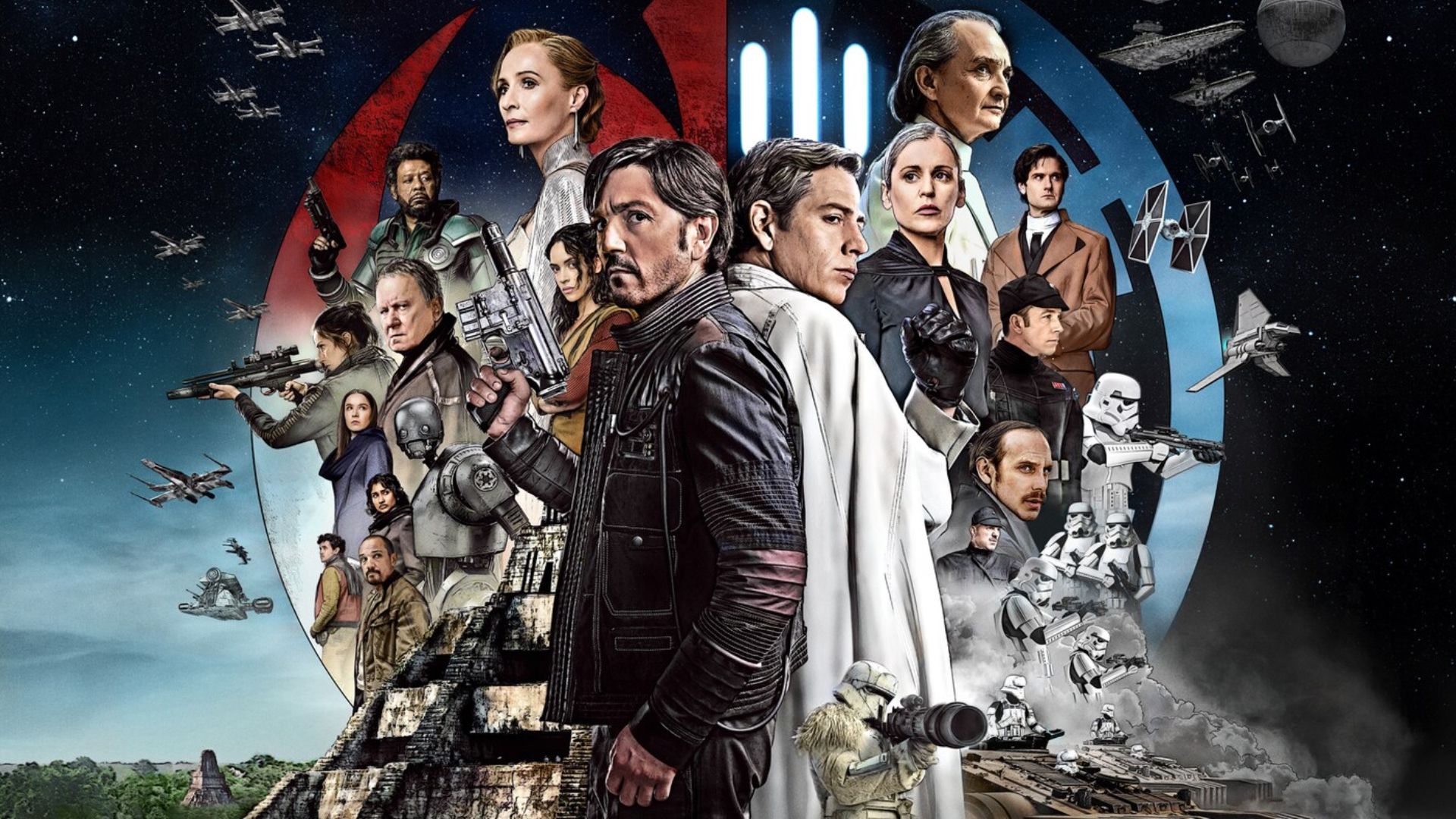
Lucasfilm doubles down on the grittier Star Wars aesthetic that Andor perfected. A decade after Rogue One established the Rebellion's morally compromised origins, the studio now greenlit a new prequel that mines even darker thematic territory.
Andor proved audiences crave Star Wars stories stripped of Jedi mysticism and lightsaber spectacle. Tony Gilroy's spy thriller outperformed expectations by treating rebellion not as heroic destiny but as a grinding political struggle. The series earned critical praise for its willingness to show good people making corrupt choices, soldiers committing atrocities, and idealists getting crushed by systems larger than themselves.
This new Rogue One prequel extends that blueprint. Rather than positioning characters as destiny-bound heroes, the project frames them as ordinary people pushed toward extremism by oppression. The narrative apparently rivals Andor's darkest episodes in its unflinching portrayal of cost and consequence.
The timing reflects Lucasfilm's strategic recalibration. Star Wars fatigue peaked during the Skywalker Saga's final trilogy. Projects like The Mandalorian and Andor reversed that trend by abandoning the "chosen one" mythology. Instead, they presented self-contained stories grounded in character psychology and political realism.
A Rogue One prequel makes commercial sense. The 2016 film became the most profitable Star Wars movie in recent years, partly because its gritty tone differentiated it from the main saga. General audiences and hardcore fans both responded to its subversion of Rebellion mythology. Characters like Cassian Andor and Jyn Erso succeeded because they lacked Force powers and mythic destiny. They simply survived.
By commissioning a prequel with Andor-level darkness, Lucasfilm signals confidence in this direction. The studio recognizes that Star