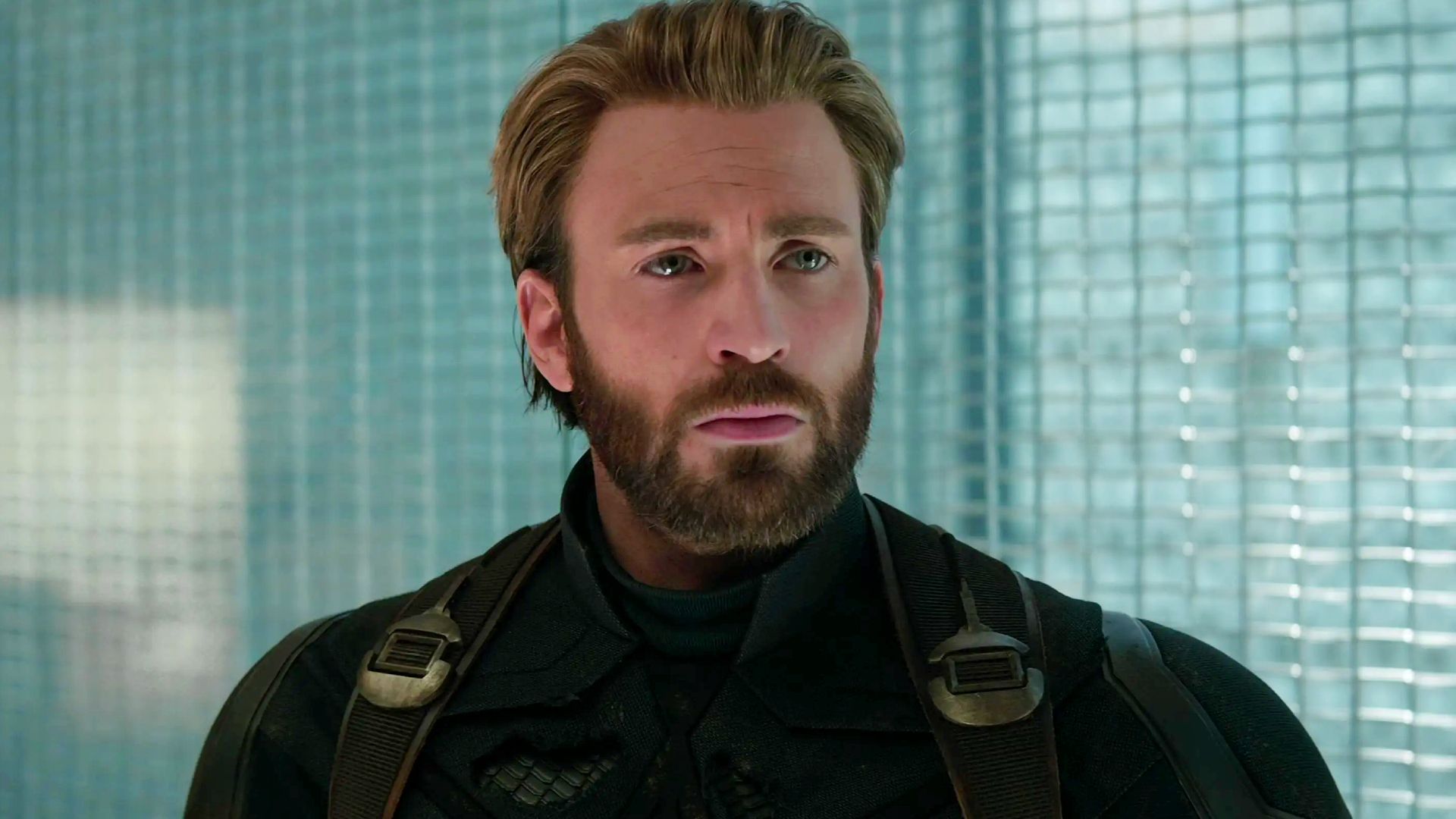
Chris Evans returns to the Marvel Cinematic Universe as Steve Rogers, reclaiming the Captain America mantle ahead of 2026's Avengers: Doomsday. Seven years after Avengers: Endgame ended his arc, Evans steps back into the role despite Anthony Mackie's Sam Wilson taking the shield in The Falcon and the Winter Soldier.
The announcement reshuffles Marvel's Avengers hierarchy as the studio prepares its next major team-up film. Kevin Feige's slate positions Evans' return as a central pillar for the post-Multiverse Saga era, signaling that original Avengers faces remain critical to Marvel's theatrical ambitions. This move effectively sidelines Sam Wilson's Captain America run, despite the character's solo Disney+ series and subsequent MCU appearances attempting to establish him as the legitimate successor.
Evans' integration with the X-Men adds another layer to Marvel's increasingly complicated continuity. The studio continues weaving Marvel Comics' mutant mythology into its cinematic universe following the Fox acquisition, and Steve Rogers apparently bridges both worlds. Exactly how Marvel balances Evans' return with the expanded X-Men narrative remains unclear, but the decision signals that nostalgia and original-cast continuity trump newer character development.
For fans, this reversal represents Marvel's recalibration toward legacy characters as it builds toward Doomsday. The film follows Avengers: Infinity War and Endgame's massive success, but audience fatigue around the interconnected multiverse storylines has prompted the studio to lean harder on beloved originals rather than experimental replacements.
The Captain America switch demonstrates Marvel's current thinking. Despite investing in new heroes across recent Disney+ series and theatrical releases, the studio recognizes that Evans' star power and audience attachment to his version of Rogers carries more commercial weight than maintaining Sam Wilson's promotion. It's