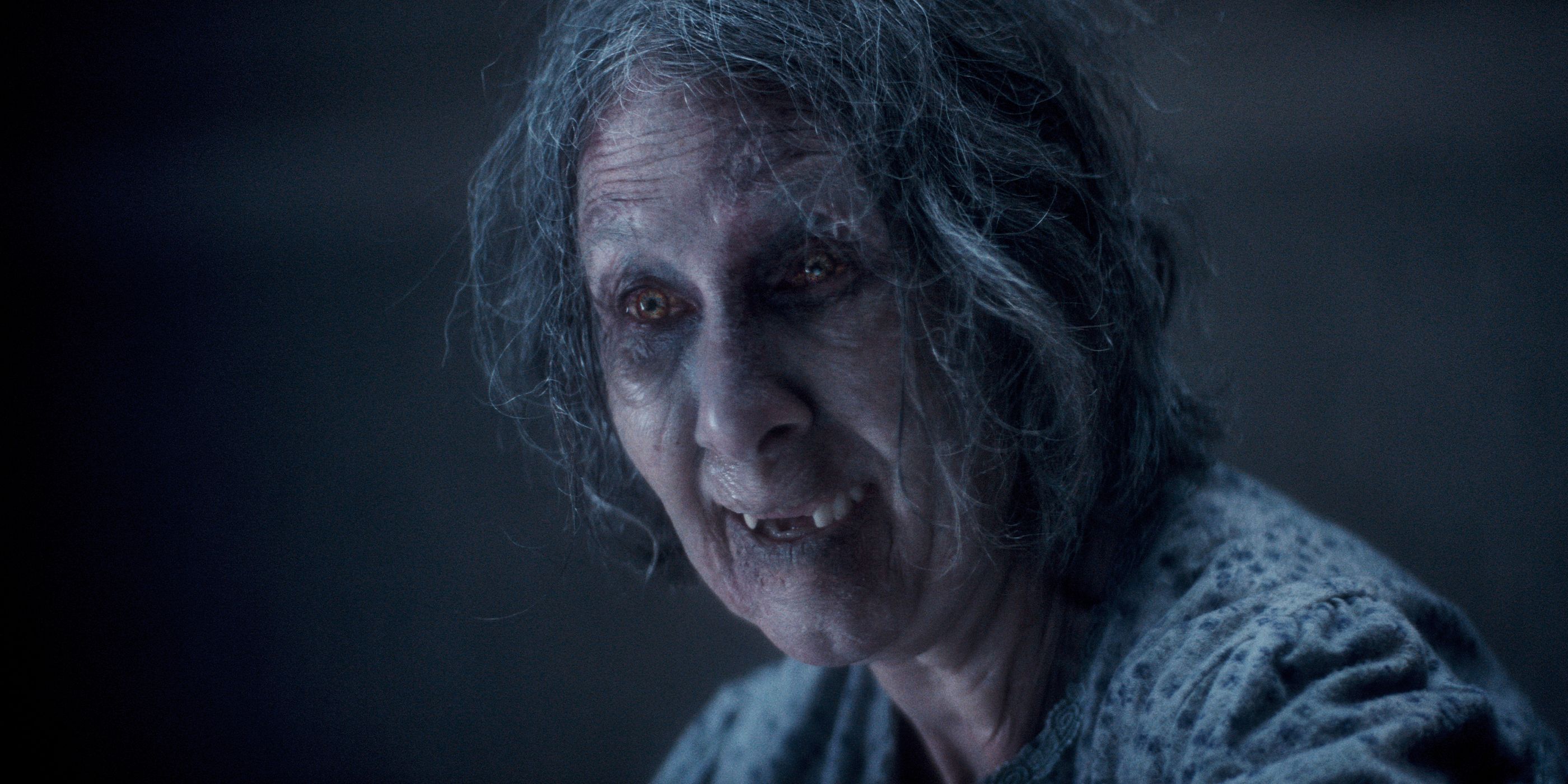
Evil Dead Burn lands as a standout entry in Bruce Campbell's legendary franchise, balancing horror viscera with the dark comedy that defines the Evil Dead universe. The film successfully executes what the series does better than most contemporary horror properties: genuine scares paired with character moments that actually land.
The franchise has dominated modern horror through a clear formula. Sam Raimi's original trilogy established the template decades ago, but Evil Dead has evolved. The 2013 reboot proved the IP could survive without Campbell's Ash Williams. The 2015 Ash vs. Evil Dead television series on Starz demonstrated the franchise thrived with deeper character work and serialized storytelling. Evil Dead Burn builds on these foundations.
What separates Evil Dead from peers like Conjuring or Insidious franchises is tonal versatility. The films and shows never take themselves entirely seriously, yet the horror beats genuinely unsettling. That balance requires precision. Jump scares land hardest when comedy precedes them. Character arcs feel earned when screenwriters invest in who lives or dies.
Evil Dead Burn reportedly delivers on all fronts. The shock finale suggests filmmakers aren't content repeating previous installments. Horror franchises live or die on escalation. Audiences have seen possessed trees, demonic possession, and interdimensional evil across prior entries. A truly surprising ending distinguishes Evil Dead Burn from franchise fatigue that typically sets in by film three or four.
The film's character depth matters here. Campbell proved in Ash vs. Evil Dead that audiences connected to deeply flawed protagonists facing impossible odds. If Evil Dead Burn maintains that character investment while delivering scares, it explains why critics respond positively.
Evil Dead remains the gold standard for what a horror franchise can accomplish without relying purely on IP nostalgia. The franchise earns audience loyalty through consistent quality and genuine artistic ambition