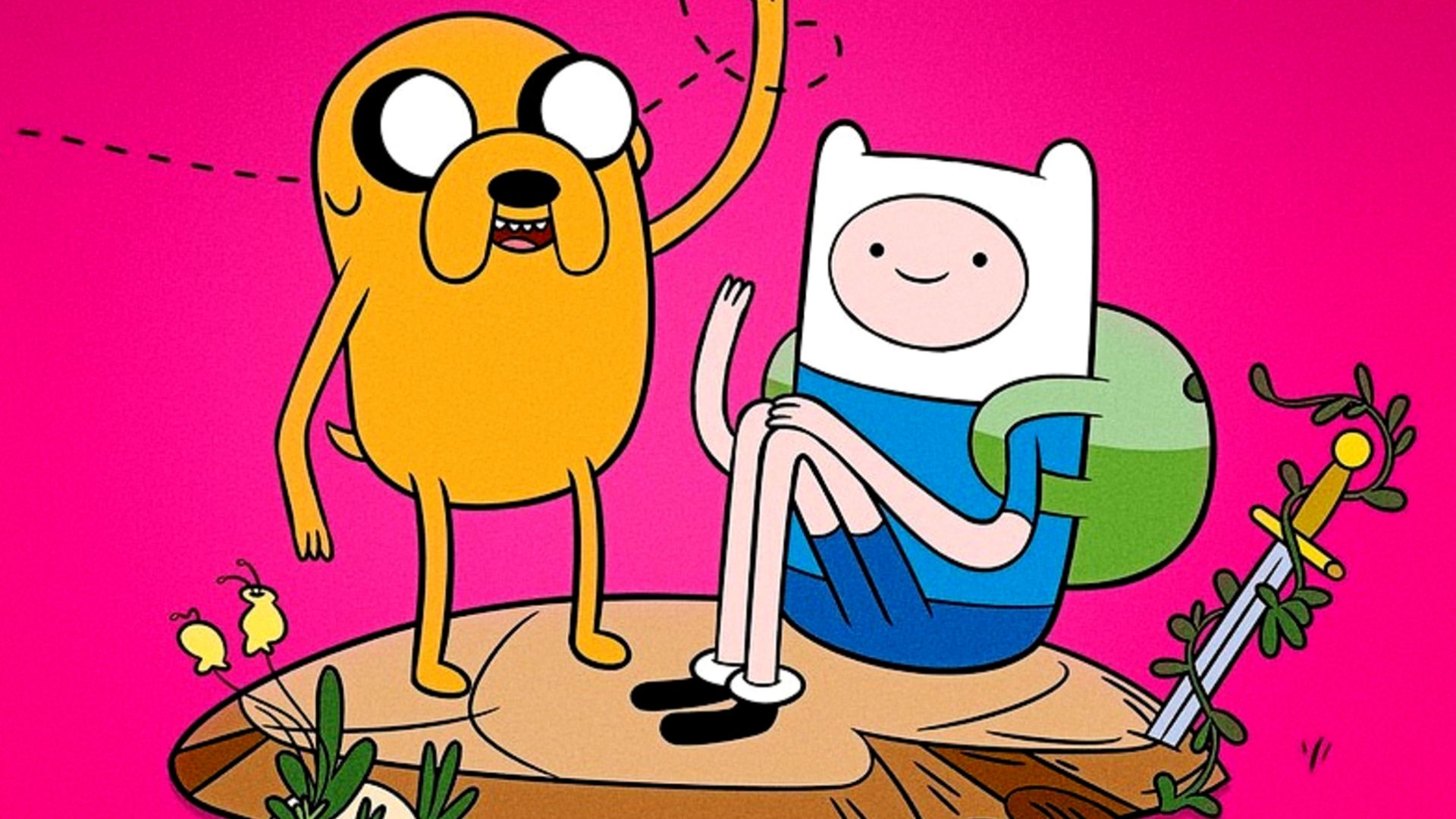
Adventure Time shifts into a dramatically different visual language with its latest project, abandoning the show's signature rounded aesthetic for a century-old animation technique that modern television rarely touches. The beloved Cartoon Network series, which wrapped its original run in 2018 after eight seasons, built its identity on creator Pendleton Ward's distinctive soft character design and pastel color palette.
The new release pivots toward a classic animation style that harkens back to early 20th-century cartoons. This departure represents a bold creative gamble for a franchise that built massive cultural cache through visual consistency across multiple spin-offs, including Adventure Time: Fionna and Cake and the recently concluded Adventure Time: Distant Lands specials on HBO Max.
The choice reflects a broader industry trend of revisiting animation heritage. Shows like Craig of the Creek and Infinity Train have experimented with retro aesthetics, but applying it to an established franchise with Adventure Time's devoted fanbase presents unique challenges. Audiences have spent over a decade with Finn, Jake, and the Candy Kingdom rendered in Ward's style. Recontextualizing those characters through a different visual framework demands audiences recalibrate their relationship with familiar property.
The creative decision signals confidence that Adventure Time's storytelling, world-building, and character depth can transcend its visual presentation. The show's influence on animation extends beyond aesthetics. It pioneered a serialized narrative approach in children's programming and normalized queer representation in mainstream cartoons before many competitors.
Whether audiences embrace this stylistic reinvention depends largely on execution and context. The animation community has proven receptive to experimental approaches when they serve the story. Adventure Time's track record suggests the creative team understands what made the franchise resonate beyond pretty pictures. The new art style either becomes the show's next evolution or a cautionary tale about tampering with visual identity.