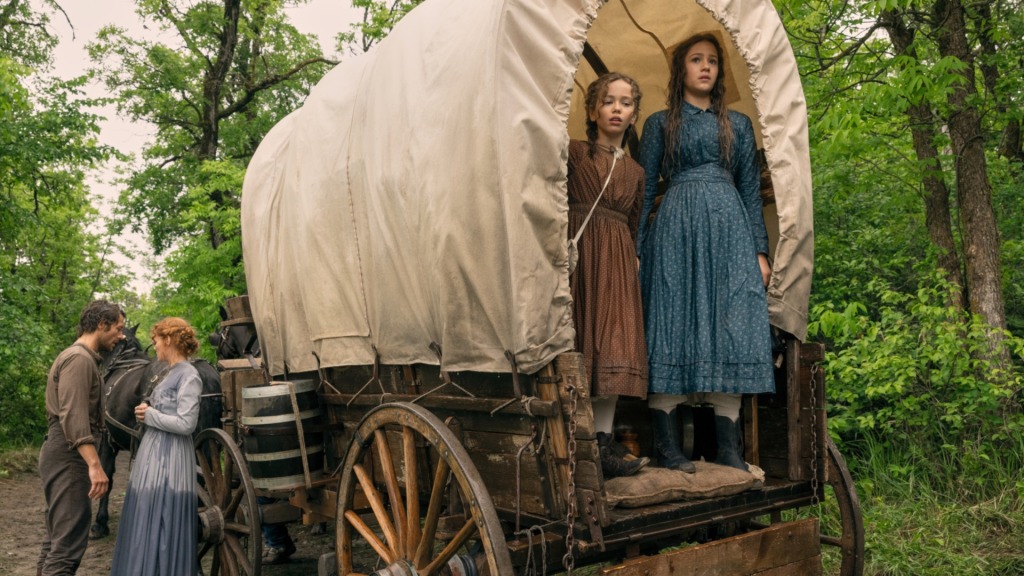
Netflix's adaptation of "Little House on the Prairie" arrives as a condensed, unfocused retelling that undermines Laura Ingalls Wilder's source material. The streamer's take strips away the emotional depth and narrative coherence that made the 1974 NBC series a cultural touchstone, replacing nuance with a scattered approach that feels more like CliffsNotes than a proper reimagining.
The new version contains scattered admirable creative choices, but they don't cohere into anything resembling the ambitious Western epic Netflix clearly hoped to deliver. Instead, viewers get a hollowed-out version of Wilder's saga about frontier resilience and family bonds. The show struggles to balance period authenticity with modern sensibilities, landing in an awkward middle ground that satisfies neither nostalgia-driven audiences nor those seeking fresh storytelling.
The original 1974 series, which ran for nine seasons, succeeded because it grounded its episodic narratives in genuine character development and the daily struggles of pioneering life. That show understood that the drama lived in small moments. Netflix's approach feels rushed, trying to cram expansive themes into a format that doesn't allow breathing room for the material to develop organically.
What emerges is a superficial treatment of themes around community, hardship, and growth that Wilder spent pages exploring. The streaming model demands different storytelling architecture than network television, but Netflix hasn't figured out how to honor that difference while respecting what made "Little House" work in the first place.
The adaptation underscores a broader streaming challenge: the impulse to "update" beloved properties often results in products that serve no audience particularly well. Long-form subscribers want richer narratives. Casual viewers want entertainment. This version provides neither with conviction.
Netflix's "Little House on the Prairie" lands as a cautionary tale about adaptation. Good intentions and