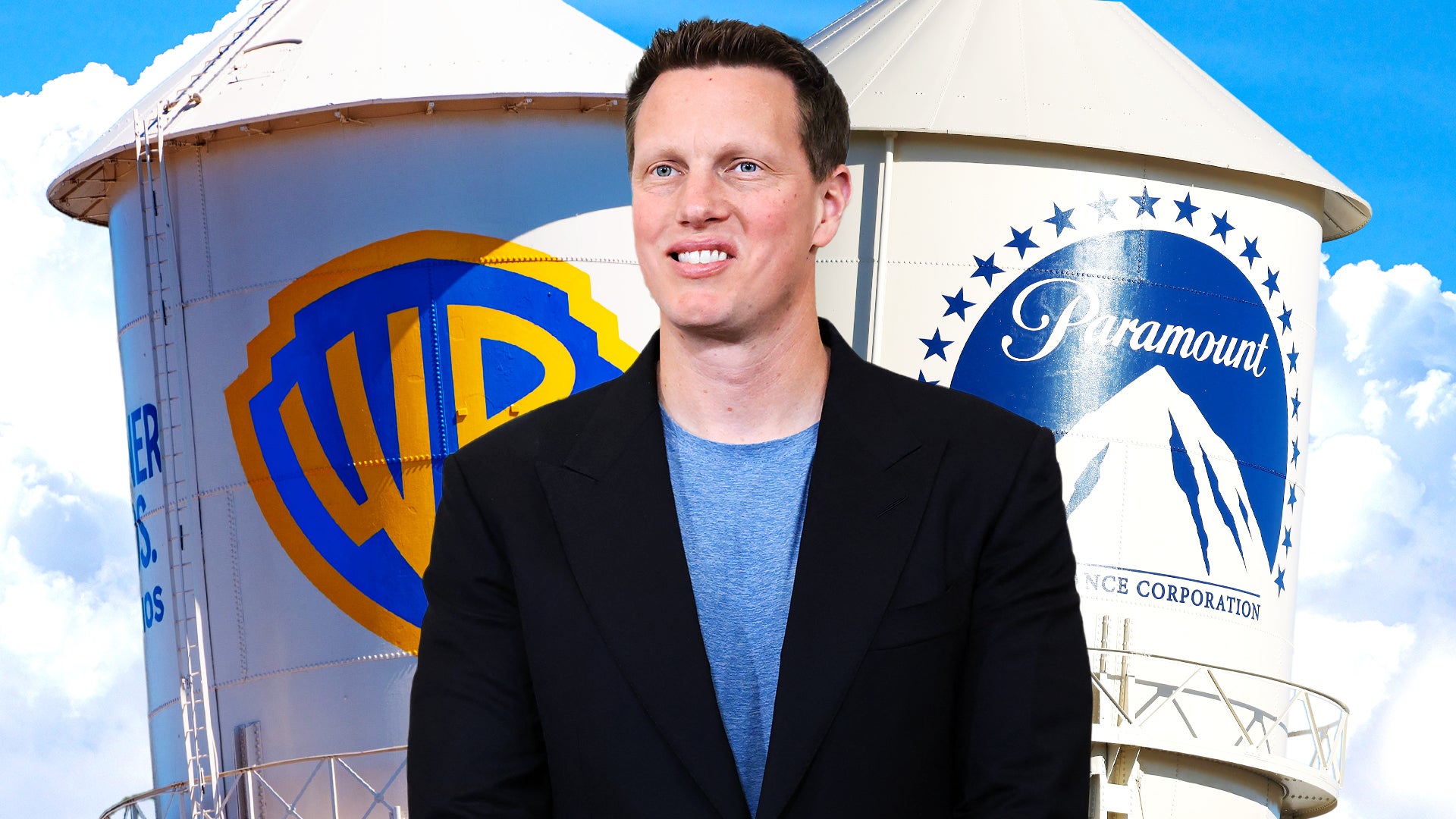
Paramount's $110 billion merger with Warner Bros. won't close before July 22, as Oregon Attorney General Dan Rayfield seeks a court order to delay the deal's closing while his office requests records from the media conglomerate.
The delay marks another obstacle for what would be one of entertainment's biggest consolidations in recent years. Rayfield's intervention suggests potential antitrust or consumer protection concerns at the state level. Oregon joining other regulatory scrutiny of the merger adds complexity to an already complicated process.
The merger combines two studios with overlapping film and television operations, both streaming platforms (Max and Paramount+), and significant international footprints. Combined, they control massive portions of content production and distribution across theatrical, broadcast, cable, and streaming channels. This concentration of power draws state and federal attention.
The timeline extension through late July indicates the deal faces substantive legal review rather than rubber-stamp approval. Major media mergers typically encounter multiple regulatory checkpoints, but state attorneys general now increasingly assert authority alongside federal trade bodies. Rayfield's request for company records suggests fact-gathering about competitive impact, consumer pricing, or labor practices.
The deal has already navigated complex negotiations and regulatory landscapes since announcement. Each delay compounds uncertainty for both studios' strategic planning, talent retention, and investor confidence. Staff layoffs and operational reshuffling typically hang in limbo during extended merger limbo.
Paramount and Warner Bros. management must balance closing timelines against legal requirements. Extended uncertainty can erode deal value if market conditions shift or key executives depart. The July 22 marker becomes a new target rather than guarantee, with additional legal proceedings potentially pushing closure further into late summer or beyond.
This regulatory headwind reflects broader entertainment industry scrutiny over consolidation. Streaming competition, traditional media decline, and content spending pressures drive merger logic, but regulators increasingly question whether giant combinations serve consumer interests or limit competition.