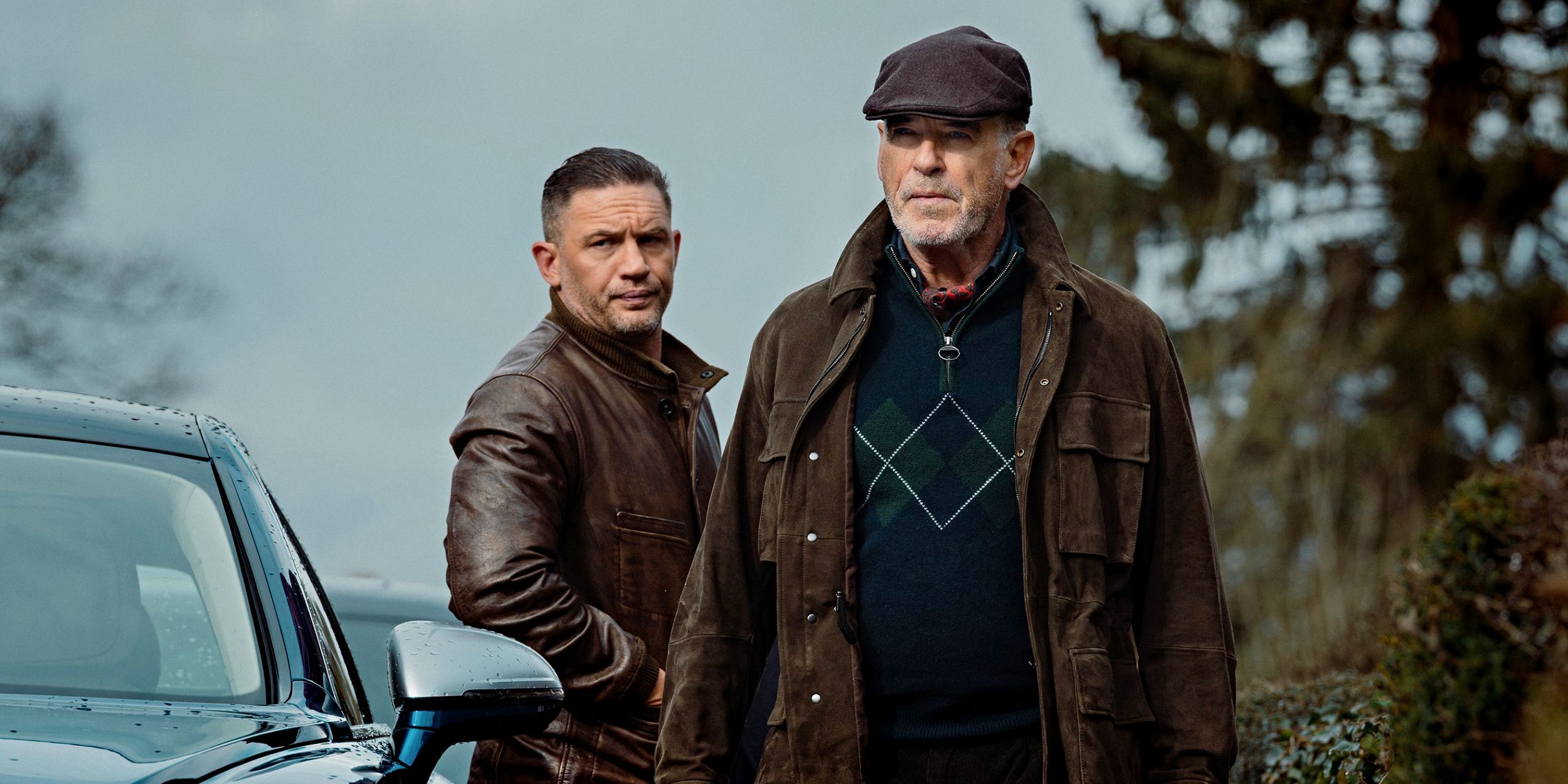
Ray Donovan returns as the streaming answer to prestige crime drama, positioning itself as essential viewing for audiences who devoured MobLand on Paramount+. The series functions as a spiritual successor to the gritty, character-driven storytelling that made the Showtime original a critical darling before its 2020 cancellation.
The seven-part structure ditches traditional season formatting in favor of a compact narrative arc. This condensed approach mirrors streaming's current preference for tight storytelling over sprawling episodics. Paramount+ clearly learned from MobLand's success, which attracted viewers hungry for morally complex antiheroes navigating criminal underworlds with family drama woven throughout.
Ray Donovan centers on its titular fixer, a man who solves problems for Los Angeles' power brokers while managing his own fractured family dynamics. The show thrives on the tension between professional compartmentalization and personal collapse. Liev Schreiber's performance anchors the series with the kind of controlled intensity that separates prestige crime television from standard procedurals.
The late-night binge appeal stems from the show's relentless pacing and dark humor. Episodes flow seamlessly into one another, designed to keep viewers locked in through plot revelations and character betrayals. Unlike traditional network drama, there's no commercial padding or artificial episode stretching. The seven-episode structure respects audience attention spans while maintaining dramatic momentum.
Paramount+ invested in this revival specifically because streaming data showed strong engagement with crime narratives centered on antiheroes. MobLand proved the appetite exists. Ray Donovan capitalizes on that audience overlap by offering similar thematic territory with established talent and production quality.
The timing positions Ray Donovan against competition from Netflix's crime offerings and Apple TV+'s expanding prestige slate. Paramount+ needs flagship originals that justify subscription costs.