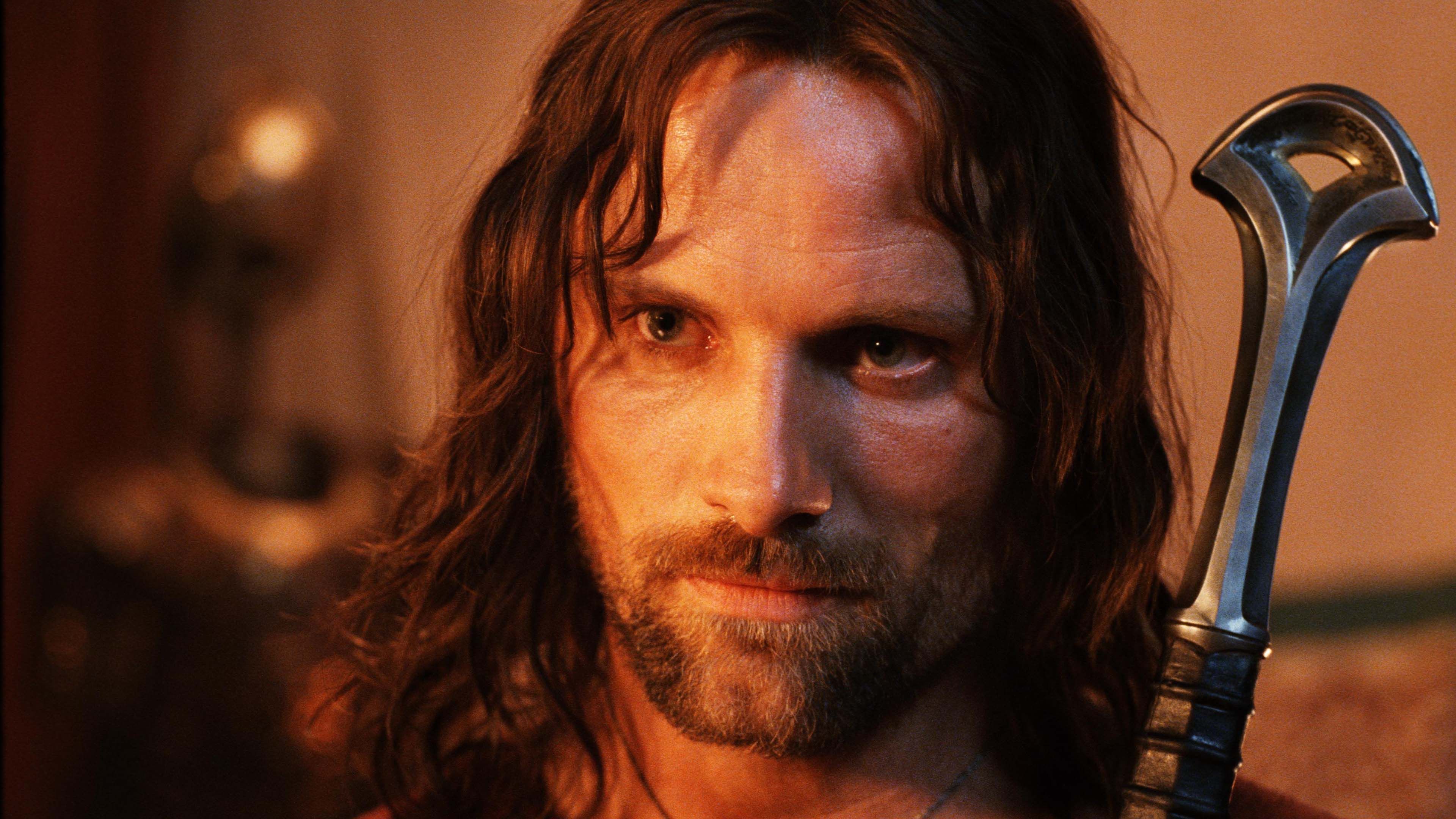
The Lord of the Rings returns to screens this month with a major theatrical release. Warner Bros. and New Line Cinema are bringing J.R.R. Tolkien's legendary fantasy epic back to cinemas, marking a significant moment for the franchise after years of anticipation.
The studio has positioned this release as a major event, banking on the cultural legacy of Peter Jackson's original trilogy and the recent success of Amazon's "The Rings of Power" series. This theatrical return signals that Middle-earth content remains a bankable draw for audiences worldwide, despite the crowded fantasy landscape.
The timing matters. After the mixed reception of "The Hobbit" trilogy and the shift toward prestige television with "Rings of Power," a big-screen return represents a strategic recalibration. The studio clearly believes theatrical audiences are ready to return to Middle-earth in IMAX and premium formats.
This release also comes as major studios increasingly treat franchise revivals as tentpole events rather than routine sequels or remakes. The Lord of the Rings has the advantage of built-in recognition and emotional investment from multiple generations of readers and viewers. Whether this new iteration targets existing fans or newcomers will shape how the industry approaches legacy properties moving forward.
The film faces immediate competition from other genre offerings, but the Tolkien name carries enough weight to command attention. Expect substantial marketing, premium-format pushes, and a push toward repeat viewings through special editions and formats.
This return underscores how studios continue mining beloved intellectual property, particularly in fantasy and sci-fi spaces where world-building costs justify massive budgets. The Lord of the Rings' arrival this month will provide crucial data on whether legacy franchises can still drive theatrical attendance in an era dominated by streaming and franchise fatigue.