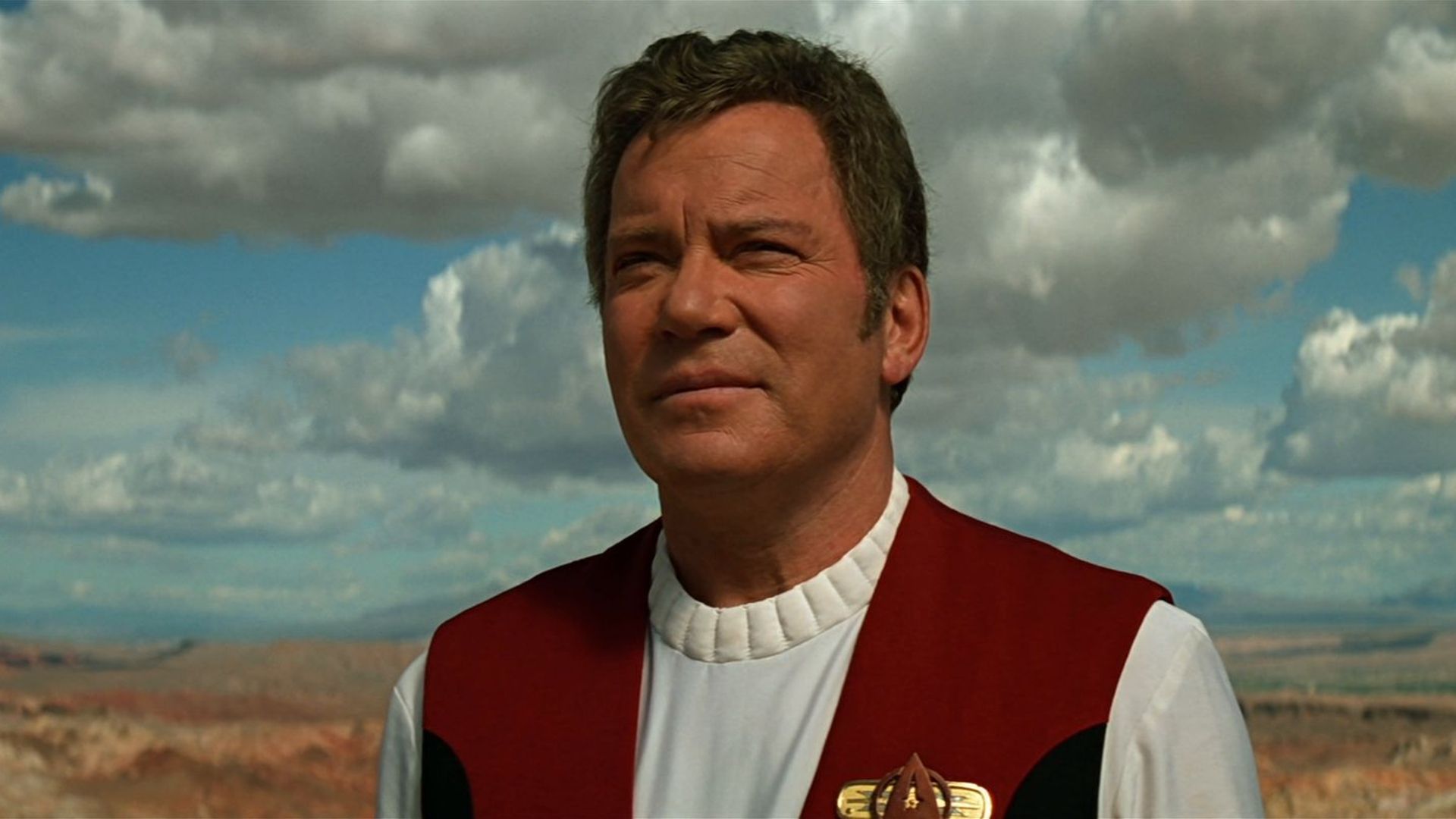
# Kirk's Final Star Trek Story Breaks His Most Sacred Rule
Paramount has released the conclusion to James T. Kirk's story arc, and it shatters the fundamental principle that defined the original "Star Trek" captain throughout decades of canon. The narrative centers on Kirk confronting a moral boundary he never crossed in his five-year mission or subsequent adventures.
The story emerges from Paramount's expanded Star Trek universe, which has leaned heavily into legacy content following the success of shows like "Strange New Worlds." That series brought back younger versions of Kirk's crew, reigniting fan interest in the original Enterprise mythology. This final Kirk tale represents the studio's commitment to closing character arcs while audiences remain invested in the property.
Kirk's defining characteristic across television, film, and licensed comics has been his adherence to a personal code. Whether facing cosmic threats or temporal paradoxes, the captain maintained principles that made him heroic. This new story deconstructs that foundation, presenting a scenario where Kirk abandons what made him Kirk.
The narrative device works because modern Star Trek has embraced moral ambiguity. Recent shows like "Discovery" and "Picard" explored how legacy characters bend under pressure. This Kirk story follows that pattern, showing how age, circumstance, or desperation could compromise even a Starfleet icon.
For longtime fans, the story lands as both tragic and inevitable. Kirk spent his career finding solutions that satisfied both his conscience and his objectives. This conclusion suggests that wasn't always possible. It's a darker endpoint than the character received in the 1994 film "Generations," where he died heroically rather than conflicted.
Paramount frames this as Kirk's definitive final chapter, closing storytelling doors that have remained open since 1969. Whether audiences embrace this moral reckoning or resist it shapes how the studio approaches legacy characters moving forward. The move signals that even