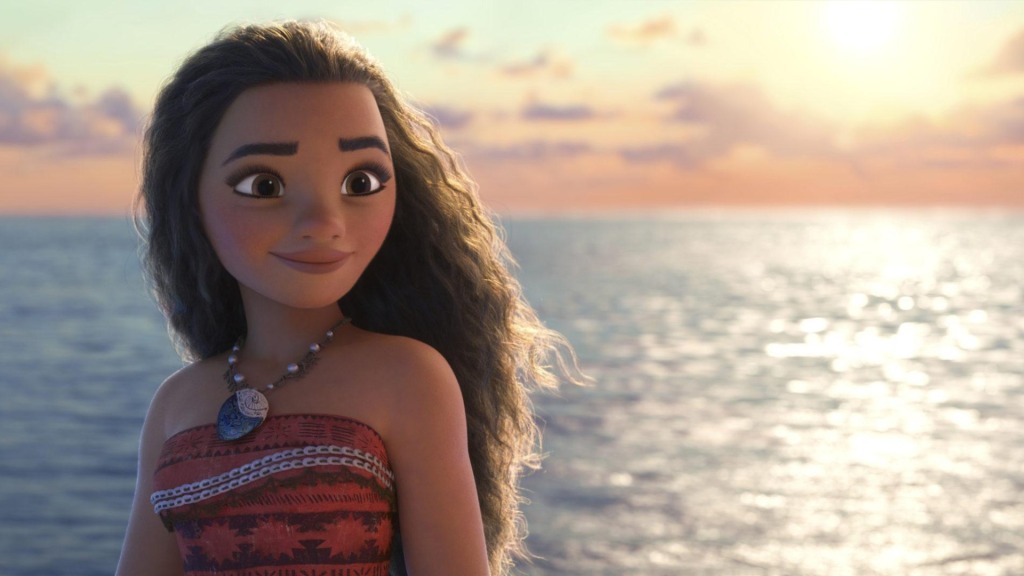
Disney's animated Moana stands as the studio's definitive princess character, and any live-action adaptation would inevitably diminish what makes her singular. The 2016 film created something rare in the Disney canon. Moana isn't a damsel waiting for rescue or a character defined by romance. She's a skilled navigator, a leader, and someone whose journey centers on self-discovery and cultural responsibility rather than finding love.
The challenge for a live-action remake cuts deeper than typical casting debates. Moana's world depends on animation's visual storytelling language. The ocean as a sentient character, the goddess Te Fiti, the shapeshifting Tamatoa, the lava monster Te Ka. These elements require animation's freedom. Live-action would require either expensive CGI that flattens their symbolic weight or a tonal shift that betrays the source material's themes about Polynesian culture and mythology.
Beyond the fantastical elements, Moana works because animation allows her physicality and emotional range to operate at a heightened, almost mythic register. Dwayne Johnson's voice performance as Maui carries a comedic bombast that serves the character perfectly. In live-action, that energy either becomes campy or gets reined in, compromising what audiences loved about the story.
Disney's live-action adaptations have succeeded when the source material relies on human drama and emotional intimacy. Jon Favreau's "The Lion King" proved that photorealistic animation can work for certain properties, though it sacrificed the theatrical expressiveness of the original. But a character like Moana demands the stylization and visual poetry that animation provides.
The talking animals in Moana function differently too. Heihei the rooster isn't comic relief designed for laugh breaks. He serves thematic purposes tied to fate and destiny. Translating that to live