HBO's commitment to prestige storytelling draws heavily from real-world events, with the network consistently transforming documented history and true crime into Emmy-caliber television. The network's catalog spans from intimate character studies rooted in fact to sprawling historical epics that define the prestige TV era.
"The Staircase" anchors this list as a cornerstone of modern true crime television. The series dissects the 2001 death of Kathleen Peterson, examining the investigation and trial of Michael Peterson across multiple seasons. Creator Jean-Durieux peels back layers of ambiguity rather than offering easy answers, capturing how legal proceedings obscure truth as much as they seek it.
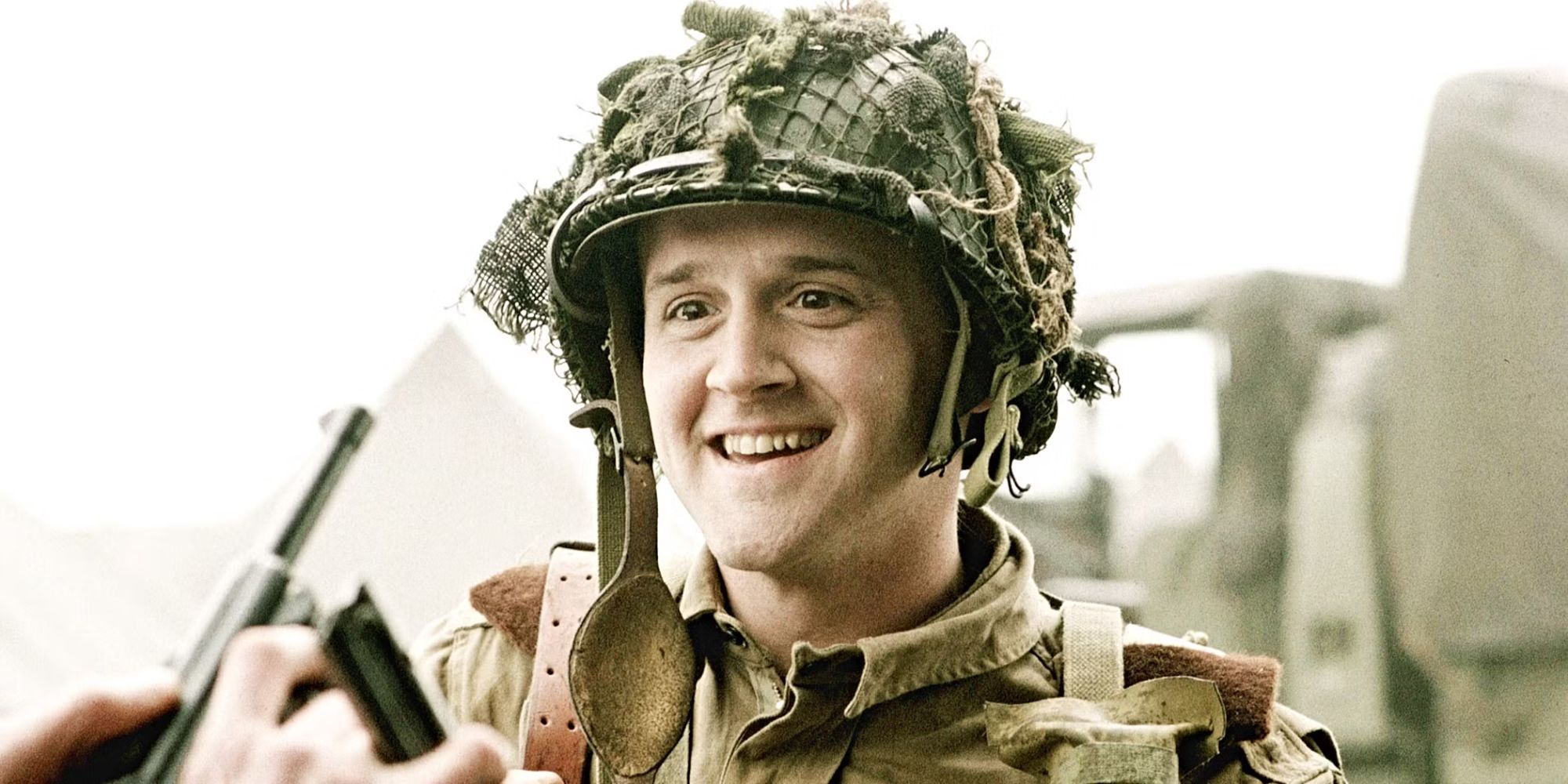
"Band of Brothers" remains the gold standard for war narratives on television. Steven Spielberg and Tom Hanks' 2001 miniseries follows Easy Company from training through the European theater of World War II. The 10-episode arc balances intimate character work with historical scope, establishing the template for prestige war storytelling that persists today.
HBO's true story programming reflects audience hunger for narratives grounded in reality but elevated through cinematic craft. The network separates itself from competitors by refusing sensationalism in favor of complexity. Shows like "Chernobyl" demonstrate how factual frameworks enable deeper exploration of human choice, institutional failure, and consequence than fiction alone provides.
The range spans crime ("The Night Of"), political history ("The Newsroom"), and biographical deep dives. This approach fills a specific niche in the premium cable ecosystem. Streamers like Netflix and Apple+ now chase similar strategies, but HBO's institutional knowledge of how to adapt true events into serialized drama established the playbook.
Audiences gravitate toward these adaptations because they offer the satisfaction of documentary rigor paired with dramatic momentum. Viewers know the broad strokes of historical events or high-profile