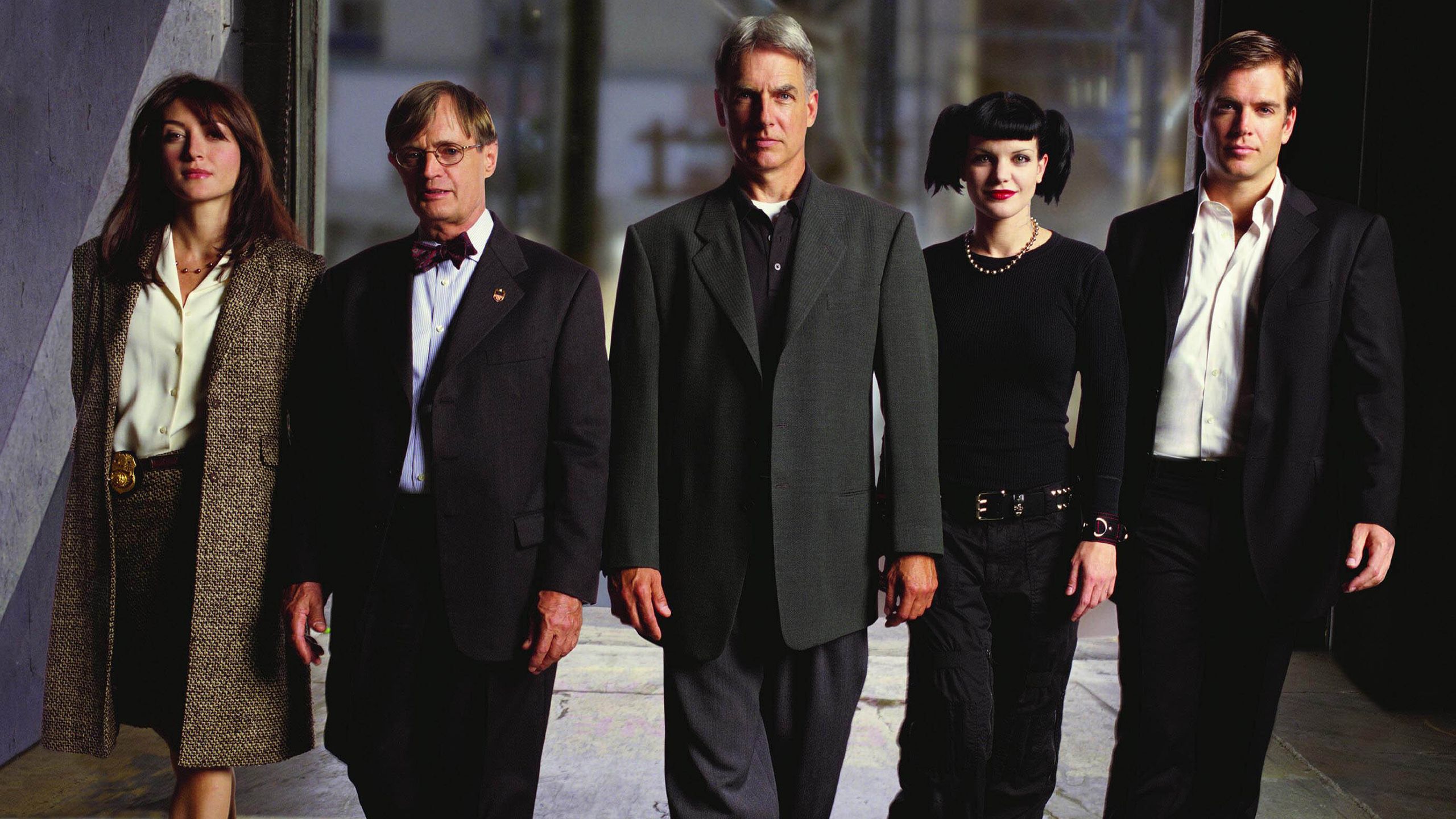
NCIS has undergone dramatic transformations since its 2003 debut, with Season 1 bearing little resemblance to the juggernaut procedural that would dominate CBS for two decades. The show's early iteration featured vastly different characterizations, production values, and storytelling approaches that longtime fans often overlook.
The original cast dynamics shifted considerably. Gibbs established himself as the anchor, but supporting characters like McGee and Abby operated under different personalities and professional roles. The lab scenes lacked the high-tech polish that became the show's trademark, while investigative procedures felt grittier and less polished than later seasons.
Tonally, Season 1 operated closer to a gritty military procedural than the slick ensemble drama it became. Episodes focused heavily on Navy and Marine Corps cases with less emphasis on character-driven narratives. The show's humor was minimal, contrasting sharply with the quippy banter and running jokes that define modern NCIS.
Production design reflected network television constraints of the early 2000s. The bullpen set appeared smaller and less detailed. Camera work followed standard procedural conventions before the show developed its signature visual style. Technical details about forensics and naval investigations received different treatment than the glossy presentation fans recognize today.
The writing staff established foundational elements but operated under different showrunning philosophies. Story arcs developed differently, with less serialization compared to later seasons. Guest stars and recurring characters served different narrative purposes.
These early growing pains shaped what NCIS would become. The show's evolution from scrappy military crime drama to CBS's most reliable ratings performer illustrates how network television adapts to audience preferences. What viewers cherished about Seasons 5 through 15 emerged gradually from these humble beginnings.
Understanding NCIS's origin point helps explain its longevity. The willingness to