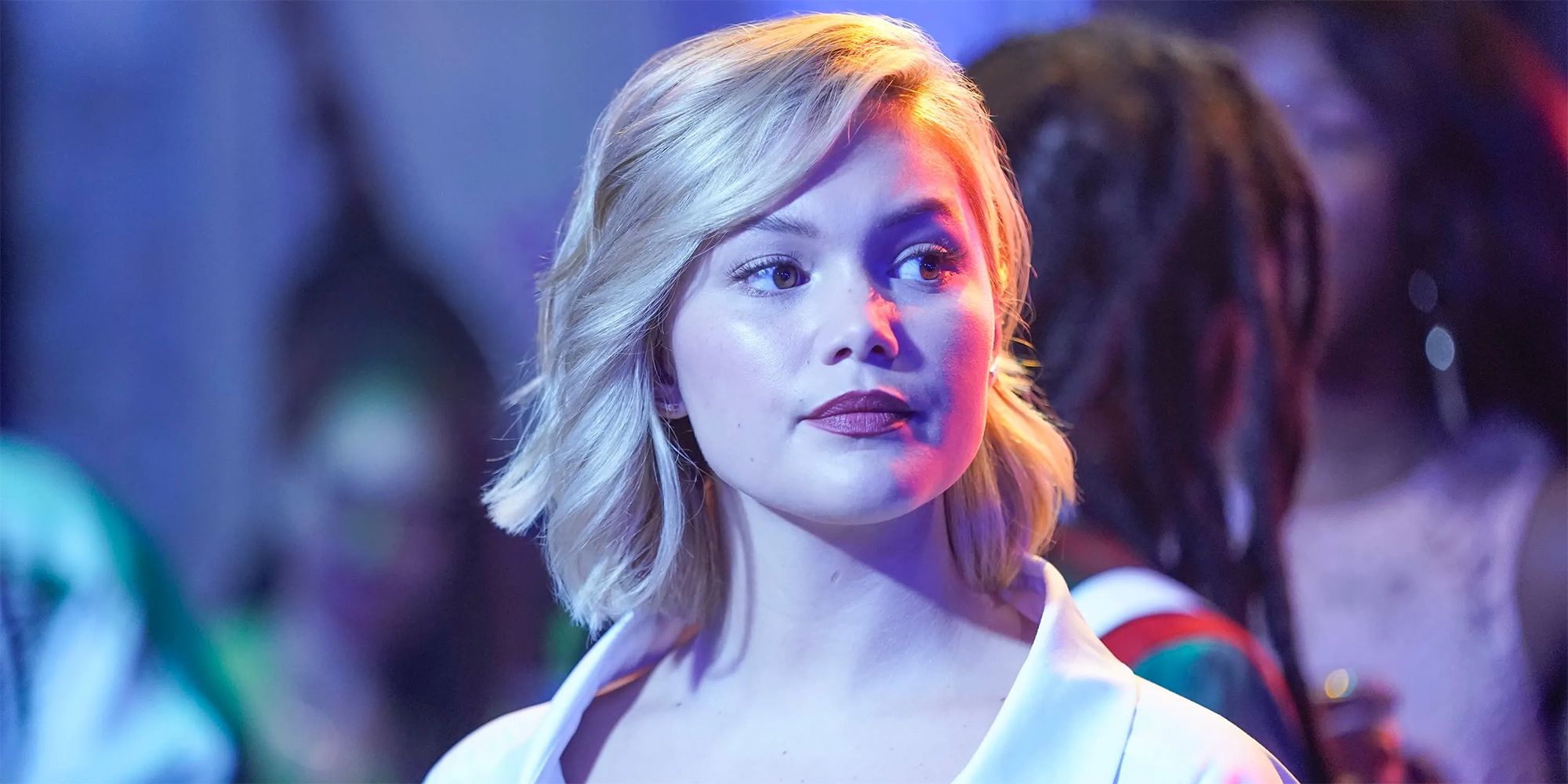
Marvel's Cloak & Dagger, the two-part MCU series that aired on Freeform before migrating to Disney+, carved out unexpected territory within the sprawling superhero universe. The show centered on Tandy Bowen and Tyrone Johnson, two teenagers from opposing New Orleans neighborhoods whose tragic circumstances bind them together through supernatural abilities tied to hope and fear.
The series distinguished itself through character-focused storytelling rather than blockbuster spectacle. Where the MCU typically prioritizes interconnected plot threads and universe-building, Cloak & Dagger grounded itself in the emotional lives of its protagonists. The writing explored systemic inequality, grief, and the psychological toll of trauma with genuine depth. That approach resonated with audiences seeking substance beneath the superhero veneer.
What keeps the show relevant on Disney+ involves its unflinching treatment of mental health. Both Tandy and Tyrone grapple with PTSD, guilt, and the weight of loss. The narrative doesn't trivialize these struggles or resolve them through superpowers. Instead, the series presents therapy, vulnerability, and human connection as genuine paths toward healing. That thematic coherence remains uncommon in franchise television.
The MCU's expanding slate has historically overshadowed shows that don't directly feed into theatrical releases or major Disney+ launches. Cloak & Dagger never received the promotional push of WandaVision or Loki, despite offering comparable storytelling ambition. Its two-season run wrapped before the show could build the momentum required to break through the noise of the cinematic universe's relentless content calendar.
The cast brought genuine chemistry to the material. Aubrey Joseph and Olivia Holt inhabited their characters with nuance, selling both the romance and the burden of their newfound abilities. Supporting players like Emma Lahana and Jaime