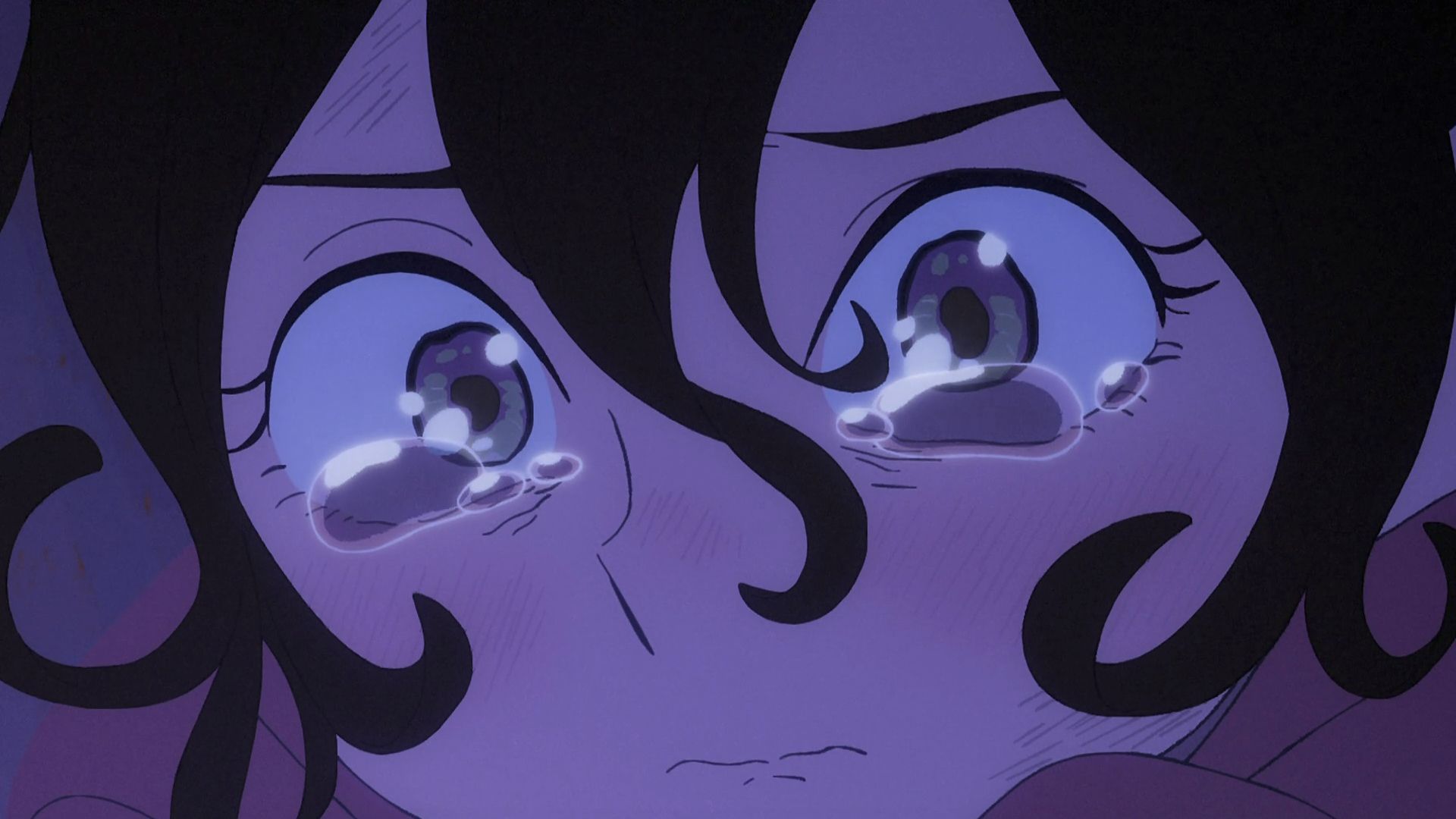
Crunchyroll's "Jaadugar" has emerged as the streaming platform's standout anime of 2026, earning both critical acclaim and intense audience pushback that the series doesn't warrant.
The show arrives amid a complex landscape where Crunchyroll dominates global anime distribution. The platform has invested heavily in acquiring premium titles and funding original productions to compete with Netflix's anime slate and traditional broadcast networks in Japan. "Jaadugar" represents the kind of bold, artistically ambitious series that could define streaming anime's future.
The controversy surrounding "Jaadugar" stems from creative choices that challenge viewer expectations. Anime audiences often hold strong opinions about storytelling conventions, character design, and narrative pacing. When series deviate from established formulas, backlash follows swiftly across social media and fan communities. Critics argue the negativity overlooks what makes "Jaadugar" exceptional.
The title itself references "magician" in Hindi, suggesting the series embraces South Asian influences alongside anime's Japanese roots. This cultural hybridity positions "Jaadugar" within a growing trend of anime that transcends purely Japanese narratives. Crunchyroll has championed such boundary-pushing content, recognizing that global audiences demand diverse perspectives and storytelling approaches.
Industry observers note that the best anime often face initial resistance. Groundbreaking series like "Puella Magi Madoka Magica" and "Evangelion" generated controversy before becoming beloved classics. "Jaadugar" follows this pattern. Its willingness to deconstruct expectations while maintaining technical excellence separates it from routine seasonal releases.
The series demonstrates Crunchyroll's commitment to funding original content that takes creative risks. Rather than simply licensing existing Japanese productions, the platform increasingly invests in projects with distinctive voices. This approach requires tolerance for experimentation