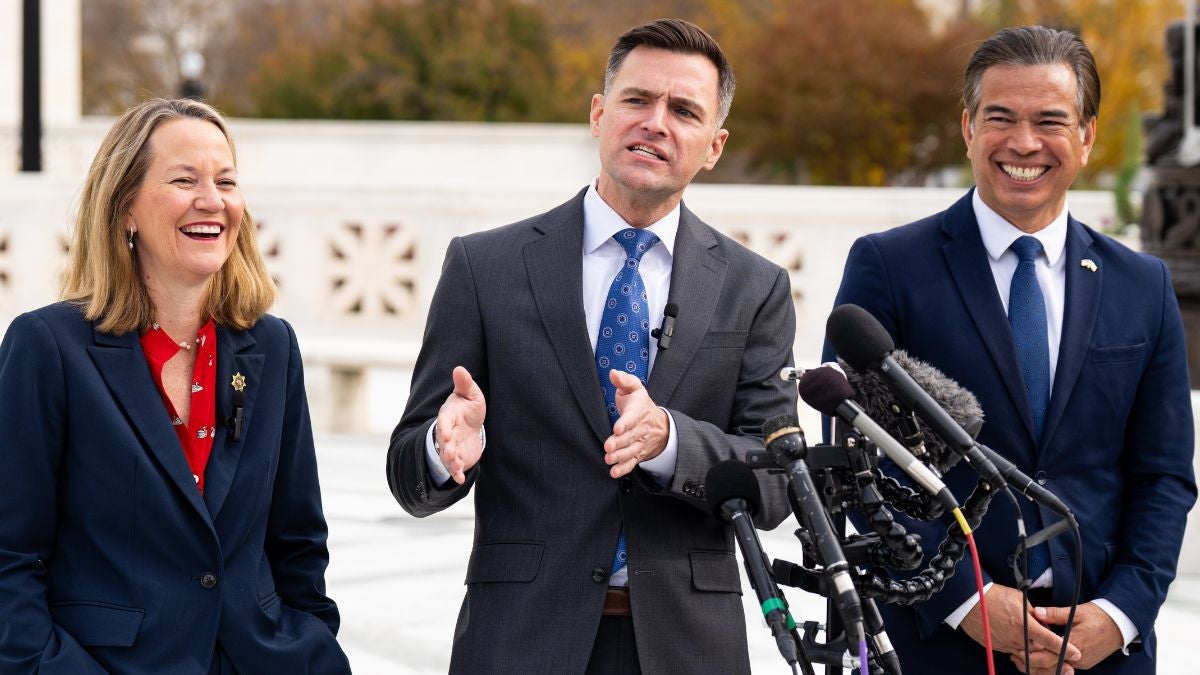
Oregon's attorney general has withdrawn a records request and motion to delay proceedings in the proposed Paramount-Warner Bros. Discovery merger, signaling escalating tensions over the combined company's compliance with state oversight. The David Ellison-led Paramount refused to provide documents the Oregon Department of Justice sought, prompting the AG's office to declare the studio thinks it's "above the law" and won't tolerate what they view as delaying tactics that waste Oregonian resources.
The merger represents one of the biggest consolidation plays in media history, combining two legacy studios into a streaming and theatrical powerhouse. Paramount brings franchises like "Star Trek" and "Mission: Impossible" alongside its CBS broadcast network stake. Warner Bros. Discovery holds HBO, the Warner Bros. film studio, and a vast content library spanning DC Comics properties and prestige dramas.
The regulatory battle signals deeper concerns about media consolidation during a period when streaming wars have already fragmented the landscape. State attorneys general increasingly scrutinize major mergers for consumer impact and market competition. Oregon's pushback suggests the state plans different enforcement tactics rather than backing down entirely.
This conflict arrives as the entertainment industry watches consolidation attempts closely. Sony and other studios face their own regulatory scrutiny. The FTC and state regulators examine whether mega-mergers benefit consumers or reduce competition in content creation and distribution. Paramount and WBD face questions about how a combined entity would manage competing streaming services and theatrical release strategies.
The AG's withdrawal doesn't signal approval of the deal. Instead, it indicates the state is regrouping its legal strategy while maintaining leverage. The agency's public criticism of Paramount's non-compliance frames the company as obstructive, potentially influencing how other regulators view the merger. Whether Oregon returns with formal antitrust objections or other legal mechanisms remains unclear, but this move demonstrates state-level resistance to what some view as unc