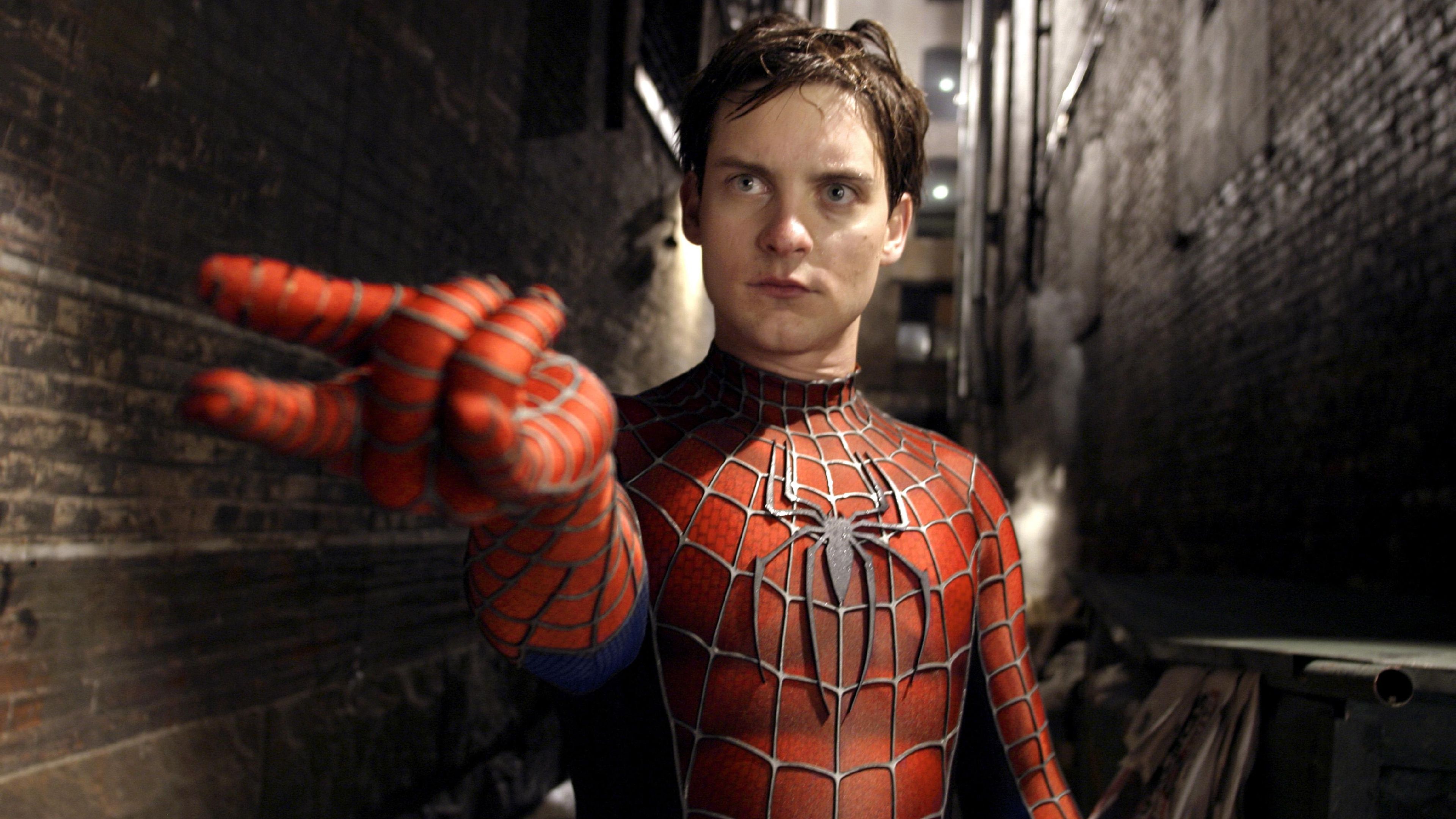
Sam Raimi's Spider-Man universe lives on through Marvel's upcoming film Spider-Man: Brand New Day, which draws directly from the filmmaker's early 2000s trilogy aesthetic. While Tobey Maguire's return remains unlikely, the project embraces the Raimi legacy through storytelling choices that echo his three original films.
The organic webbing mechanic signals the most obvious callback to Raimi's vision. In his 2002 Spider-Man and its sequels, Peter Parker's web-shooting ability stemmed from his mutation rather than mechanical engineering. Marvel's Brand New Day appears to resurrect this biological approach, honoring Raimi's interpretation over the MCU's tech-driven web-shooters that Andrew Garfield and Tom Holland's versions deployed.
This creative direction suggests Marvel Studios recognizes Raimi's trilogy's enduring cultural footprint. Those films defined Spider-Man for a generation and remain crucial reference points in superhero cinema, despite their age. The trilogy's practical effects, operatic melodrama, and commitment to practical stunt work created a distinct visual language that separated Raimi's Spider-Man from subsequent superhero blockbusters.
Brand New Day's narrative roots in Marvel Comics lore provide another layer. The storyline explores Peter Parker's life post-identity reveal and marriage complications, drawing from the source material Raimi never fully adapted. By blending Raimi's aesthetic choices with unexplored comic arcs, Marvel crafts a hybrid approach that respects the trilogy while moving the franchise forward.
Maguire's absence reflects studio calculations around actor availability and the MCU's existing Spider-Man continuity with Tom Holland. Bringing Maguire back would complicate the multiverse narratives already established in the MCU. Instead, Marvel channels Raimi's directorial DNA without requiring the original cast.
The Raimi