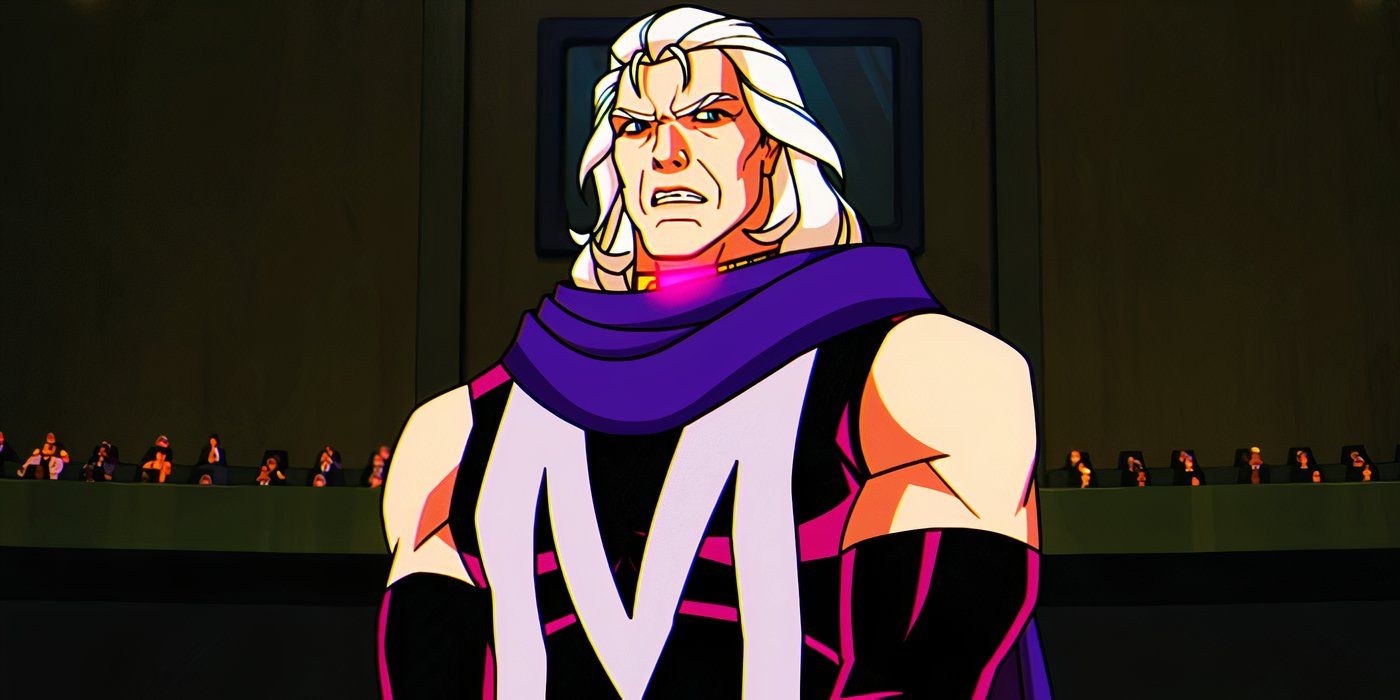
X-Men '97 killed off a major character this season, and executive producer Larry Houston confirms the death will reshape the show's trajectory for seasons 3 and 4. Houston didn't specify which character perished, but the impact signals a willingness to make permanent story changes rather than undoing deaths through typical comic book resurrection mechanics.
The Disney+ animated revival has built its reputation on respecting the source material while modernizing the 1990s animated series for contemporary audiences. The show's creative team has consistently delivered high-stakes storytelling that resonates with both legacy fans and newcomers discovering the X-Men universe through streaming.
This creative direction reflects a broader trend in prestige animation. Shows like Castlevania and Arcane have proven that animated series can sustain long-form narratives with genuine consequences. X-Men '97 occupies a unique position within Marvel's animation strategy, operating independently from the MCU's theatrical plans while maintaining direct continuity with the beloved original series that aired from 1992 to 1997.
The death's ripple effects across two future seasons suggests the showrunners are planning for narrative arcs that extend well beyond immediate reactions. This approach demands careful character development and interconnected plotting. For a series juggling ensemble dynamics across dozens of established mutants, maintaining emotional weight while servicing long-form storytelling becomes a delicate balance.
Disney's investment in X-Men '97 reflects confidence in animation as a prestige medium. The platform has committed to multiple seasons, signaling either strong viewership numbers or strategic confidence in the property's durability. Either way, the decision to let this death carry real weight suggests the creative team retains significant creative control over character fates and story direction, a rarity in superhero properties typically beholden to larger franchise obligations.
The shocking death proves that X-Men '97 exists in a narrative space where