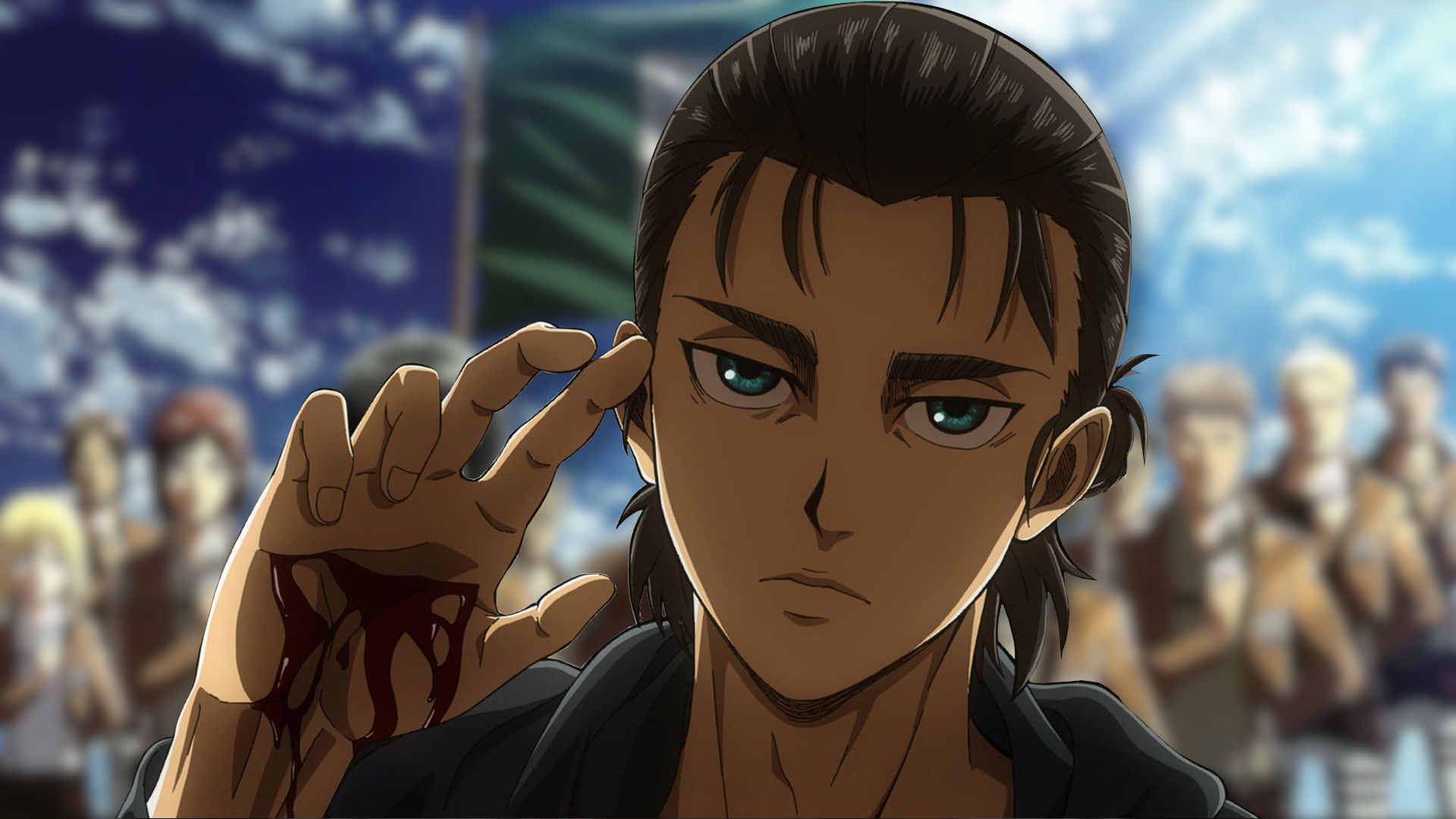
Attack on Titan stands as one of anime's most narratively sophisticated series, with several characters demonstrating the depth that elevated the show beyond typical shonen fare. The series, which concluded its final season in 2023, built its reputation on complex protagonists and antagonists who grapple with moral ambiguity rather than simple good-versus-evil dynamics.
Characters like Eren Yeager, Reiner Braun, and Zeke Yeager anchor the series' thematic exploration of freedom, determinism, and the costs of war. Eren's transformation from earnest hero to morally compromised antihero represents one of anime's most audacious character arcs, while Reiner's fractured psyche and loyalty conflicts create genuine psychological tension. Zeke's philosophy about existence itself challenges viewers to confront uncomfortable questions about suffering and meaning.
The series also benefits from supporting characters like Annie Leonhart and Erwin Smith, who operate within shades of gray. Annie's emotional detachment masks deeper trauma, while Erwin's strategic brilliance comes paired with ruthless manipulation and his own existential doubts. These characters refuse easy categorization, forcing audiences to wrestle with their decisions rather than judge them outright.
Attack on Titan's writing strength lies in its refusal to provide simple answers. Characters pursue conflicting ideologies rooted in genuine conviction rather than villainy. The Rumbling arc, which concluded the series, amplified this complexity by forcing characters into impossible positions where survival and morality directly clash.
This character-driven approach separates Attack on Titan from mainstream anime. Rather than relying on power escalation or tournament arcs, the series invested in psychological depth and philosophical questioning. The supporting cast receives genuine development, backstories inform present conflicts, and every major character serves the larger narrative about freedom and consequence.
Attack on Titan proved that anime