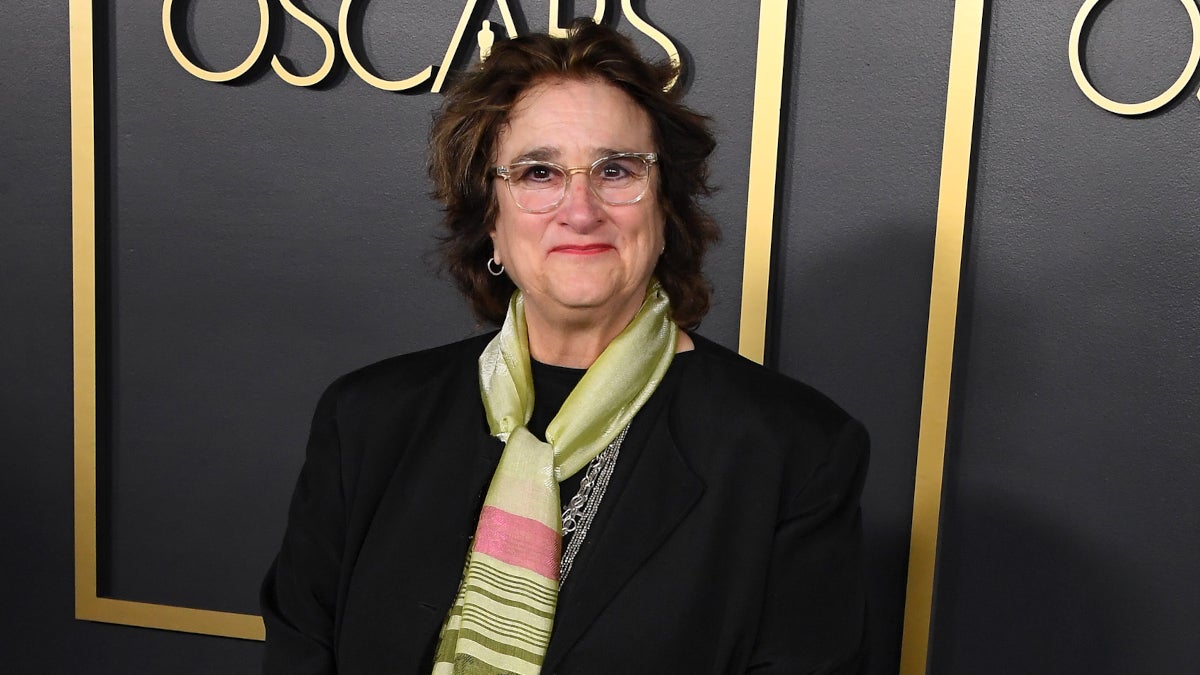
Barbara Ling, the Oscar-winning production designer behind Quentin Tarantino's "Once Upon a Time in Hollywood" and Sofia Coppola's "The Virgin Suicides," died at 73 following a health battle.
Ling shaped some of cinema's most visually distinctive worlds. Her work on Tarantino's 2019 Los Angeles love letter earned her an Academy Award nomination, joining her previous recognition for "Michael," where she meticulously reconstructed the singer's carefully controlled environments. Her production design didn't just dress sets. It articulated character psychology and historical atmosphere with meticulous research and visual storytelling.
Beyond those marquee titles, Ling collaborated with major auteurs across decades. She worked on "The Omen," helping establish one of horror cinema's most chilling visual languages, and reunited repeatedly with Tarantino on projects that demanded obsessive period detail. Her approach treated production design as a form of narrative itself. Every fabric choice, every architectural decision, every color palette carried thematic weight.
The production design community reveres Ling for elevating the craft beyond decoration. She bridged commercial filmmaking and arthouse sensibility, proving that meticulous world-building could anchor both intimate character studies and sprawling historical epics. Her collaborations with Tarantino particularly demonstrated how production design functions as auteurism, shaping how audiences read tone, era, and emotional temperature.
Her death represents a significant loss for an industry that depends on production designers to materialize directorial vision. The craft often goes unnoticed by general audiences, yet Ling's work demonstrates how essential it is. A Tarantino film without Ling's architectural precision and chromatic intelligence plays differently. The warmth of 1969 Los Angeles in "Once Upon a Time in Hollywood" doesn't breathe without her