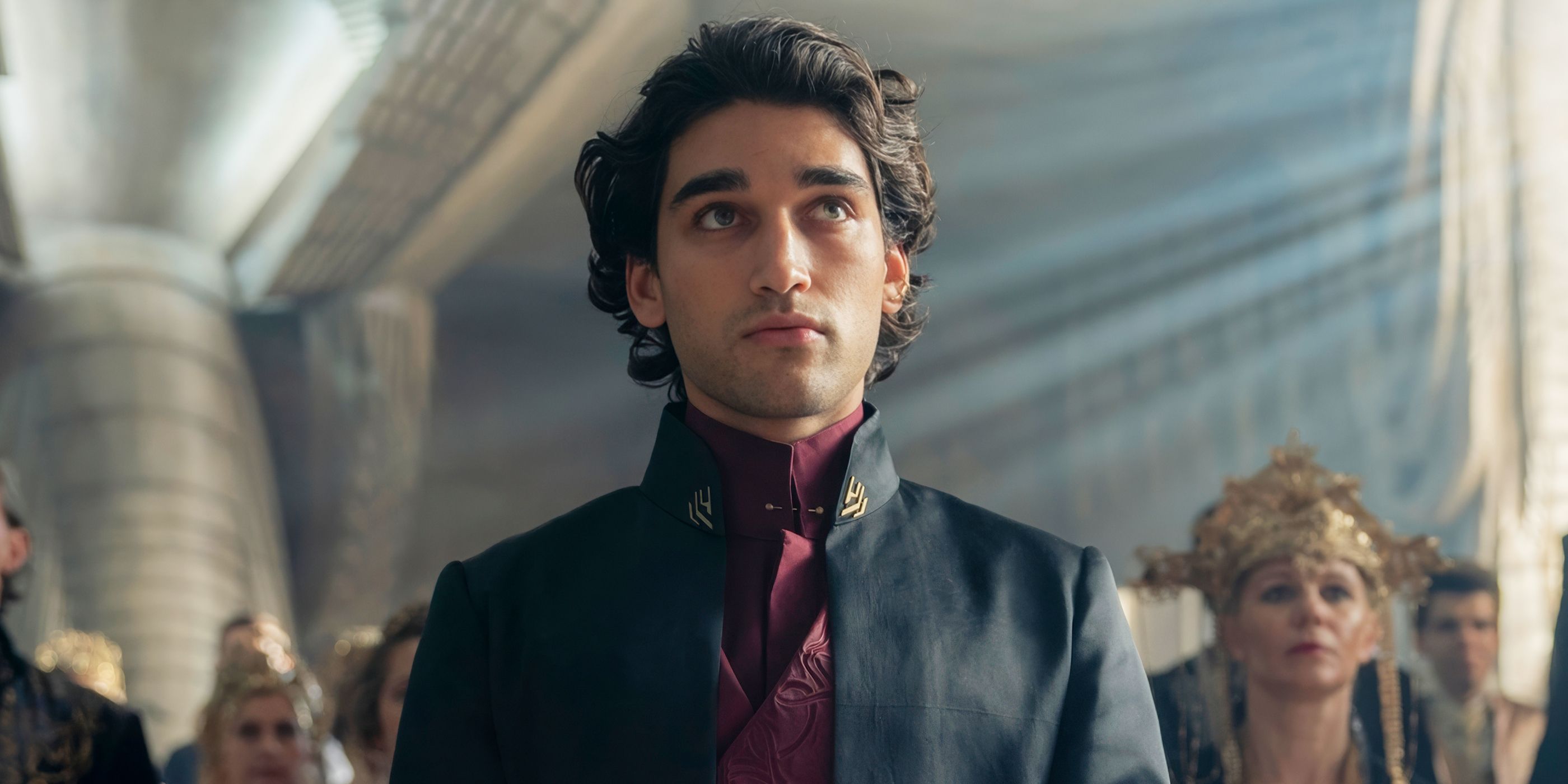
Denis Villeneuve's "Dune: Prophecy," HBO Max's two-part sci-fi prequel series, has become a global streaming phenomenon despite polarizing viewers on its creative direction. The show, which expands Frank Herbert's universe with new characters and storylines set thousands of years before Paul Atreides' rise, draws massive audiences to Max while sparking debate about how far prequels should venture from established canon.
The series focuses on the origins of the Bene Gesserit, the shadowy sisterhood that shapes galactic politics across the Dune saga. Rather than retreading familiar ground, "Dune: Prophecy" builds its own mythology, introducing fresh factions, power struggles, and mystical elements that feel both connected to and distinct from Villeneuve's theatrical films. This creative gambit resonates with viewers hungry for more Dune content, even as purists question whether the prequel respects Herbert's original vision.
Streaming numbers tell the story. Max reports record viewership for the series, with international audiences particularly engaged. The show's success validates Warner Bros. Discovery's investment in expanding the Dune franchise beyond cinema. For a studio with streaming growth at the forefront of strategy, "Dune: Prophecy" delivers the kind of prestige genre content that keeps subscribers locked in.
The creative team behind the prequel includes showrunner Jon Spaihts, who worked on Villeneuve's "Dune" films, lending continuity despite the narrative leap backward. This connection matters for audiences skeptical of spin-offs. Casting choices like Emily Watson and other acclaimed actors signal HBO Max's commitment to quality production values matching theatrical ambitions.
The fandom split reflects a broader tension in modern franchise expansion. Some viewers celebrate the fresh storytelling and worldbuilding that doesn't simply rehash existing character