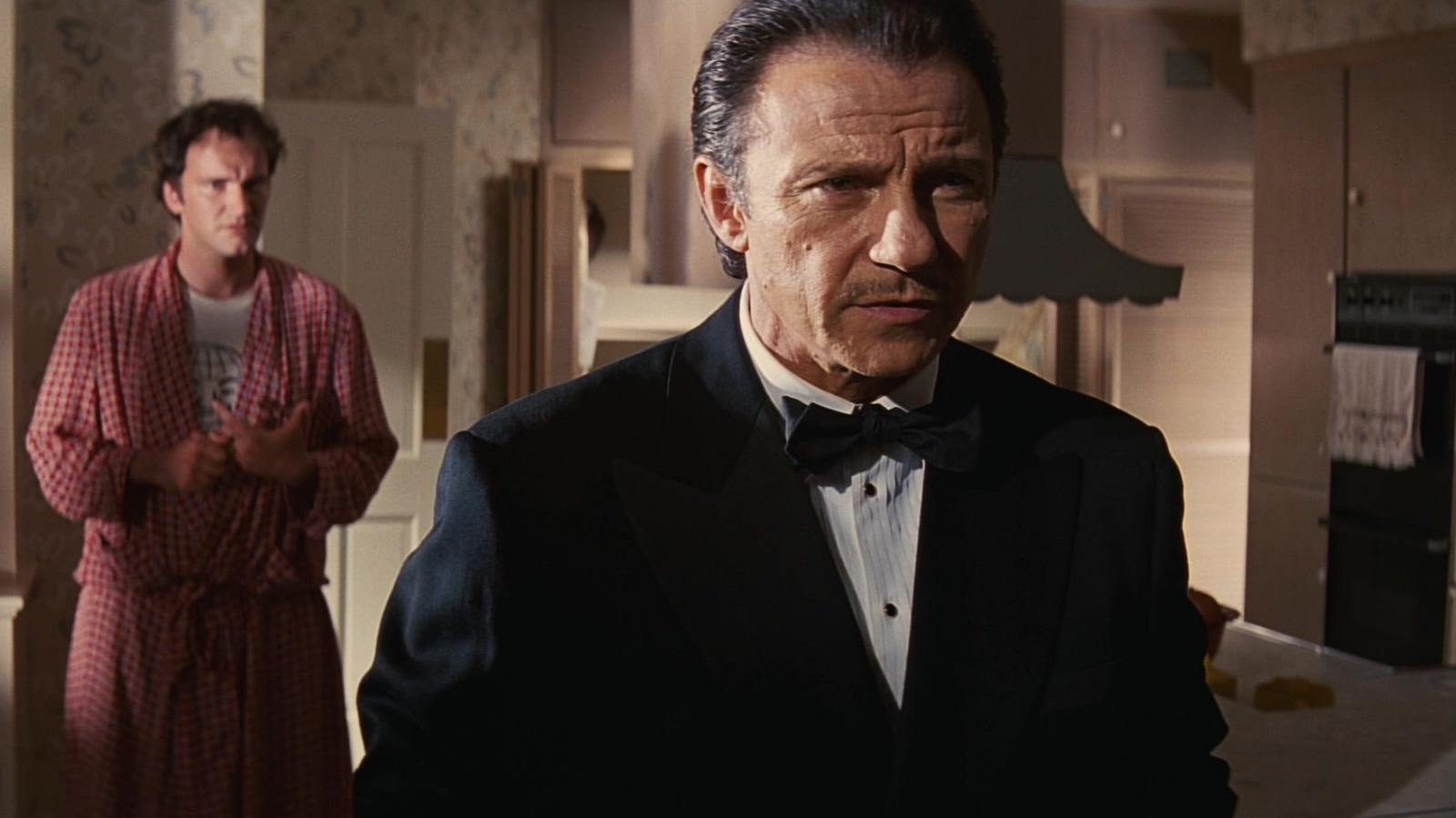
Harvey Keitel landed his first major Hollywood break on the daytime soap opera "Dark Shadows," the gothic horror series that became a cultural phenomenon during its 1966-1971 run on ABC. The show blended supernatural elements with serialized drama, creating the template for prestige television years before that became industry standard.
"Dark Shadows" aired at a time when daytime television reached massive audiences. The show featured vampires, werewolves, ghosts, and time travel plots that captivated viewers and established a devoted fanbase that extends into the present day. Johnny Depp later starred in a 2012 Tim Burton film adaptation, underscoring the property's lasting cultural footprint.
Keitel's appearance on the show positioned him within a cast that included established television names and emerging talent. The role served as his entry point into Hollywood's professional ecosystem during the late 1960s, a period when television provided crucial training ground for actors who would later dominate cinema. His work on "Dark Shadows" preceded his celebrated film career, which would eventually include collaborations with Martin Scorsese, David Lynch, and Quentin Tarantino.
The series itself pushed boundaries for daytime television by incorporating horror and supernatural storytelling into a format traditionally associated with romantic melodrama. This hybrid approach attracted both traditional soap opera viewers and audiences seeking more inventive genre fare. The show's willingness to experiment with format and content created opportunities for actors like Keitel to develop their craft within a demanding production schedule.
Keitel's path from "Dark Shadows" to becoming one of cinema's most respected character actors reflects broader industry trends. Television provided the intensive acting workshop that shaped his approach to characterization. His work across decades in films like "Badlands," "Taxi Driver," and "Pulp Fiction" showcases an intensity and commitment to complex roles that his early