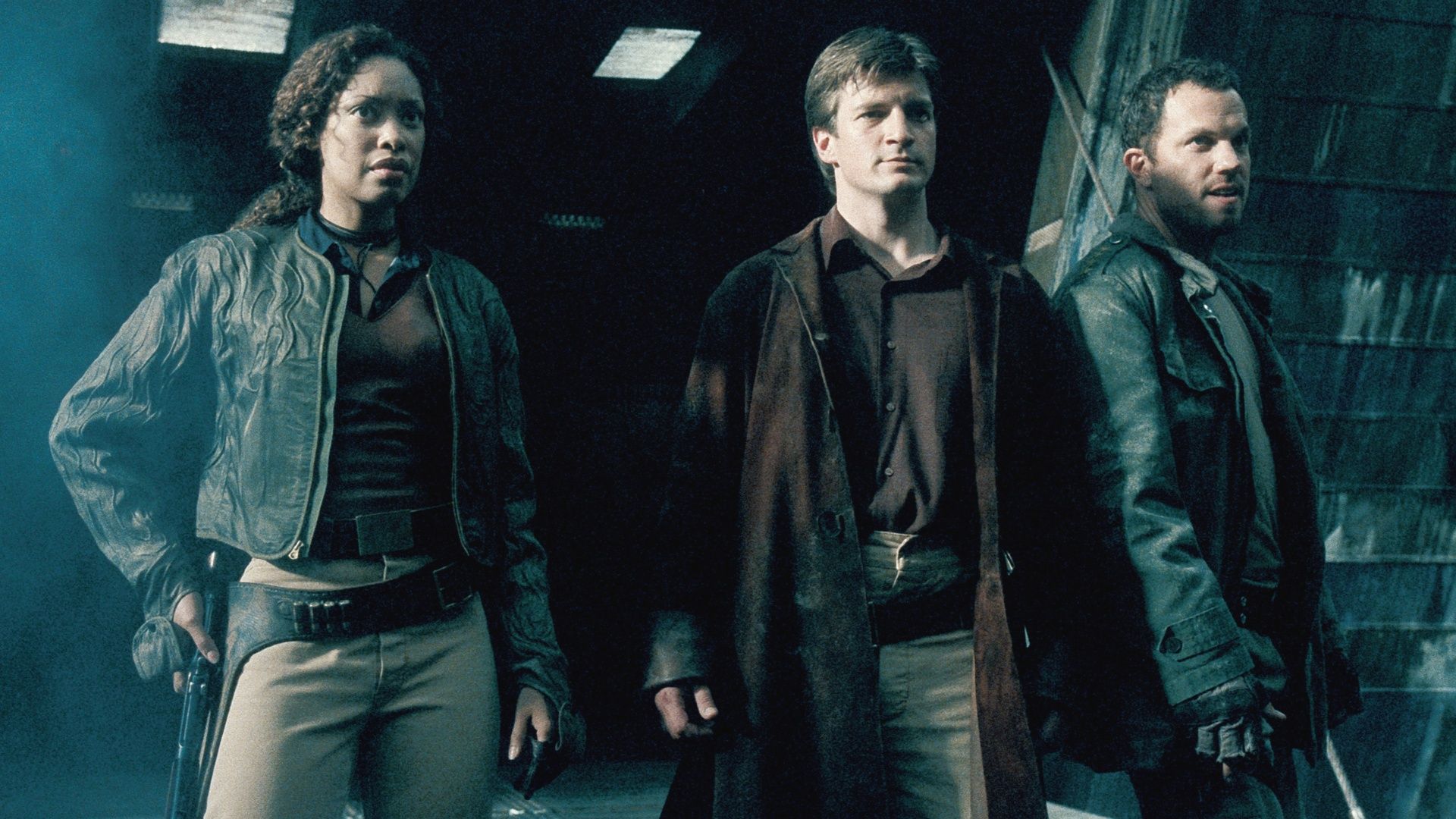
Space opera television has delivered some of the most ambitious storytelling in the medium, blending cosmic scale with intimate character arcs. The genre demands shows that balance sprawling universes with genuine emotional investment, a formula that separates the memorable from the forgettable.
The greatest space opera shows recognize that spectacle alone cannot sustain a series. "Battlestar Galactica" proved this during its 2004-2009 run, using the premise of humanity's last fleet fleeing alien cylons to explore faith, politics, and survival. "The Expanse" similarly grounded its vast interplanetary setting in credible human conflict, layering geopolitics across multiple worlds and moons. Both series understood that viewers need to care about the people inhabiting these universes.
Classic entries like "Star Trek" and its various iterations established the template. "The Next Generation" and "Deep Space Nine" showed how different approaches to the same franchise could both succeed. DS9 particularly innovated by anchoring storytelling to a single location while still capturing the scope and wonder of space exploration.
More recent entries have expanded the definition of space opera. "The Mandalorian" strips the concept down to intimate character moments while maintaining Star Wars' galactic mythology. "For All Mankind" reimagines the space race as an alternate history thriller, proving space opera works when grounded in plausible near-future technology.
International productions have added texture to the genre. Japan's anime tradition brought "Neon Genesis Evangelion" and other series that questioned what space opera could explore thematically.
The best space opera shows share one element beyond effects budgets or narrative scope: they make audiences care about returning to their universes week after week. They use the vastness of space not as mere backdrop but as a lens through which to examine humanity itself. Whether through military drama, exploration, or survival