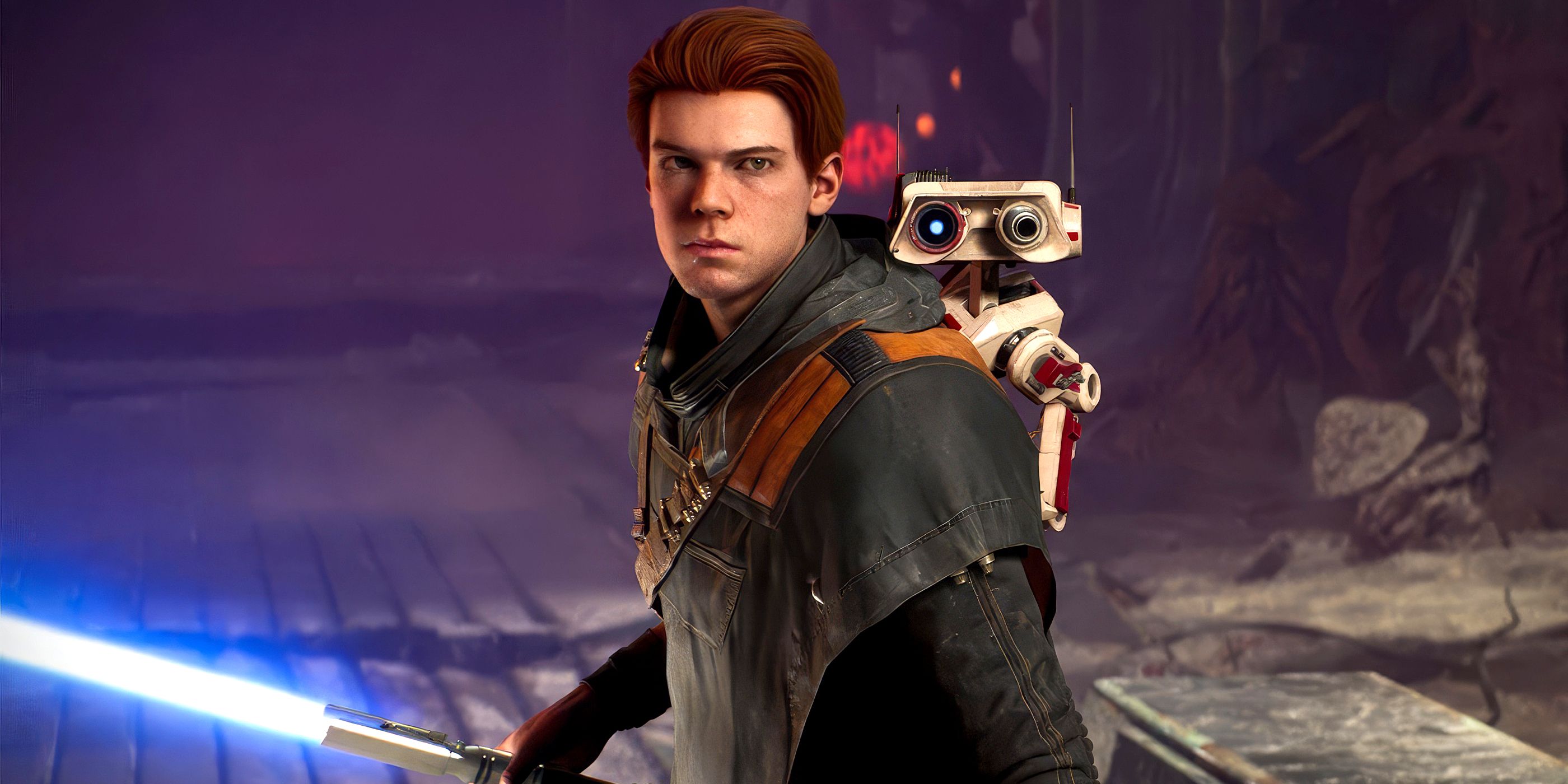
Hollywood's biggest franchises are hemorrhaging box office dollars, and the solution sits in an entirely different medium. Star Wars, DC Comics, and Harry Potter have stumbled repeatedly at multiplexes in recent years, burning through budgets and audience goodwill with theatrical releases that underperformed spectacularly. Rather than doubling down on increasingly expensive film slates, these IP juggernauts should redirect resources toward video games, where fan engagement and revenue potential remain untapped.
The shift makes economic sense. Games like Hogwarts Legacy proved there's insatiable appetite for immersive Star Wars and Potter experiences outside cinema. Players spend hundreds of hours in these worlds, generating recurring revenue through purchases, battle passes, and cosmetics. Movies demand front-loaded marketing spending and live-or-die opening weekends. Games build communities that sustain themselves.
Star Wars particularly needs this recalibration. The sequel trilogy exhausted theatrical audiences, and spin-offs like Solo tanked hard. DC's multi-film failures, from conflicting visions to cancellations like Batgirl, have fractured fan trust. Harry Potter's Fantastic Beasts sequels couldn't replicate the original series' magic. These franchises suffer from creative whiplash and audience fatigue with theatrical formulas that no longer work.
Video games offer creative flexibility studios crave. Developers can explore untold stories, deep-dive character arcs, and experimental gameplay without the rigid three-act structure film demands. A Lord of the Rings-style game set in the Star Wars expanded universe could sustain players for years. A DC fighting game or story-driven Batman title leverages existing character equity without requiring another theatrical commitment.
The gaming market's scale dwarfs theatrical box office. Players invest thousands annually across titles. Fortnite makes more revenue than any blockbuster film franchise. Elden Ring and