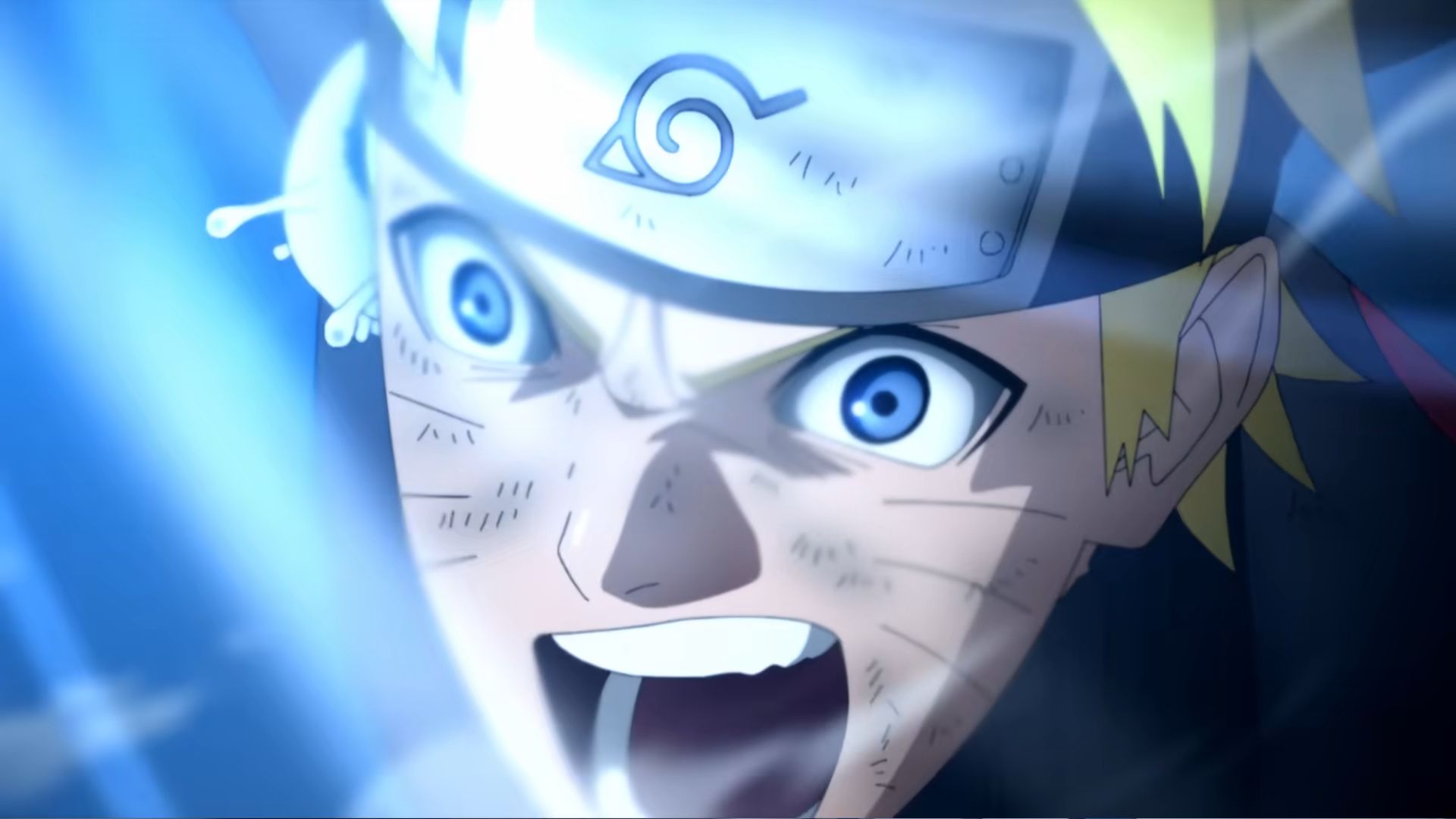
Naruto stands poised to reclaim dominance in the U.S. anime market after two decades of playing second fiddle to One Piece. The long-running shonen juggernaut has momentum on its side as anime fandom reaches unprecedented mainstream visibility.
One Piece has ruled the anime landscape since the early 2000s, leveraging Eiichiro Oda's sprawling narrative and devoted global fanbase. The series maintained its crown even as streaming platforms democratized anime access. Naruto, which concluded its original run in 2017 with Naruto Shippuden, seemed destined to fade into legacy status despite its cultural footprint on millennial viewers.
Several factors now position Naruto for a comeback. Boruto: Two Blue Vortex, the sequel series following the next generation, has reignited fan engagement with fresh storytelling that appeals to both legacy viewers and newcomers. The franchise's presence on major platforms including Netflix and Crunchyroll ensures accessibility. Anime merchandise and collectibles centered on Naruto characters continue dominating retail spaces.
Meanwhile, One Piece faces headwinds. The anime's glacial pacing frustrated viewers for years, though recent production improvements under Toei Animation's direction offered some relief. The manga's ongoing arc, while narratively ambitious, has stretched even hardcore fans' patience.
Generational shifts matter too. Gen Z audiences discovering anime through TikTok and streaming discovery algorithms engage differently than millennials who grew up watching Naruto on Cartoon Network's Adult Swim block. Nostalgia carries weight in fan communities, and Naruto's earlier seasons benefit from being more digestible than One Piece's 1,000-plus episode commitment.
The anime industry itself has transformed. Seasonal series with tight narratives now compete effectively against sprawling, decades-long properties.