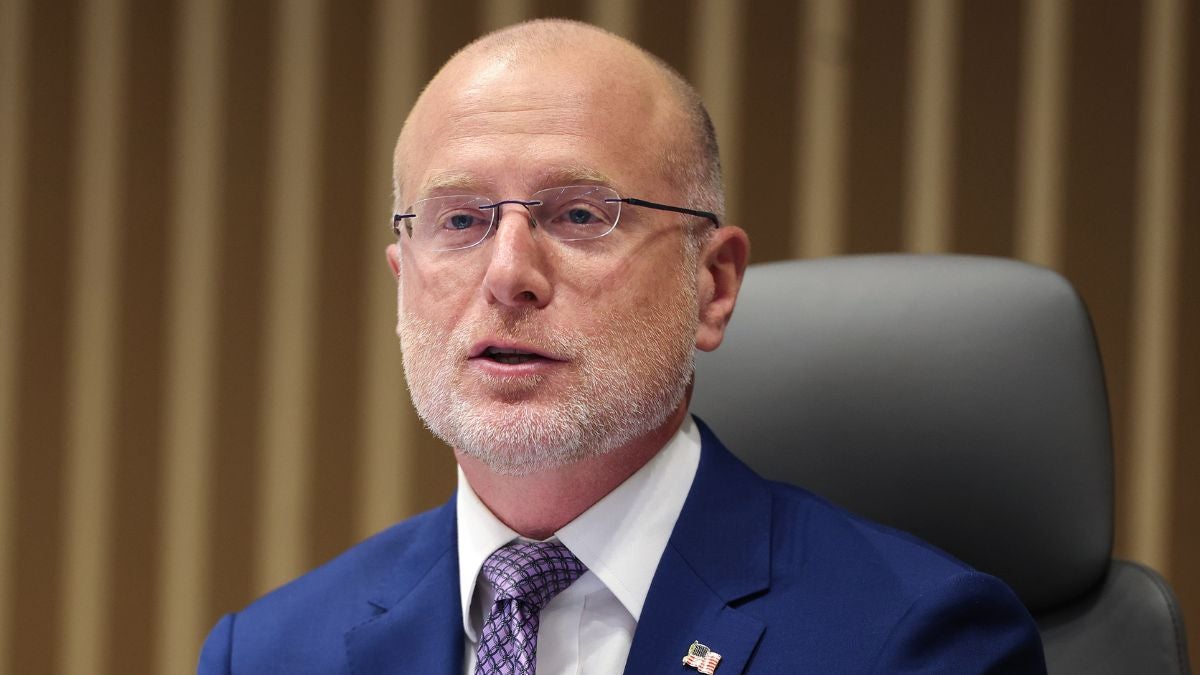
FCC Chair Brendan Carr expressed skepticism about California Attorney General Rob Bonta's antitrust lawsuit against the Paramount-Warner Bros. merger, questioning the state official's motivations. Carr suggested that Bonta's reported interest in a CNN sale reveals the case lacks genuine antitrust merit. The FCC chair's comments inject political tension into an already complicated media consolidation fight.
Bonta's office filed suit to block the merger between two major content studios, arguing the deal reduces competition in the entertainment industry. The lawsuit represents a rare state-level challenge to a major Hollywood combination, positioning California as willing to pursue deals the federal government allows.
Carr's critique cuts deeper than typical regulatory disagreement. By linking Bonta's CNN interest to the lawsuit's legitimacy, Carr implies the state attorney general pursues the case for reasons beyond consumer protection. His implication suggests Bonta may want to influence who controls major media assets rather than prevent actual competitive harm.
The tension reflects broader divisions over media consolidation policy. The Biden administration's FTC has taken aggressive stances on vertical mergers and studio combinations, but state attorneys general operate independently. Bonta's lawsuit signals California views the Paramount-Warner deal differently than federal regulators might.
Paramount and Warner Bros. Discovery have defended the merger as complementary rather than directly competitive. The combined entity would create a streaming and content powerhouse capable of competing with Netflix and Disney. Their argument centers on expanded scale, not reduced competition.
The FCC chair's doubt about the lawsuit's success prospects carries weight in industry circles. While the FCC doesn't control antitrust decisions directly, Carr's public skepticism signals federal regulatory alignment. If federal agencies view the merger favorably, California's solo challenge faces steeper odds.
Bonta's office has not publicly responded to Carr's characterization. The state attorney general's CNN