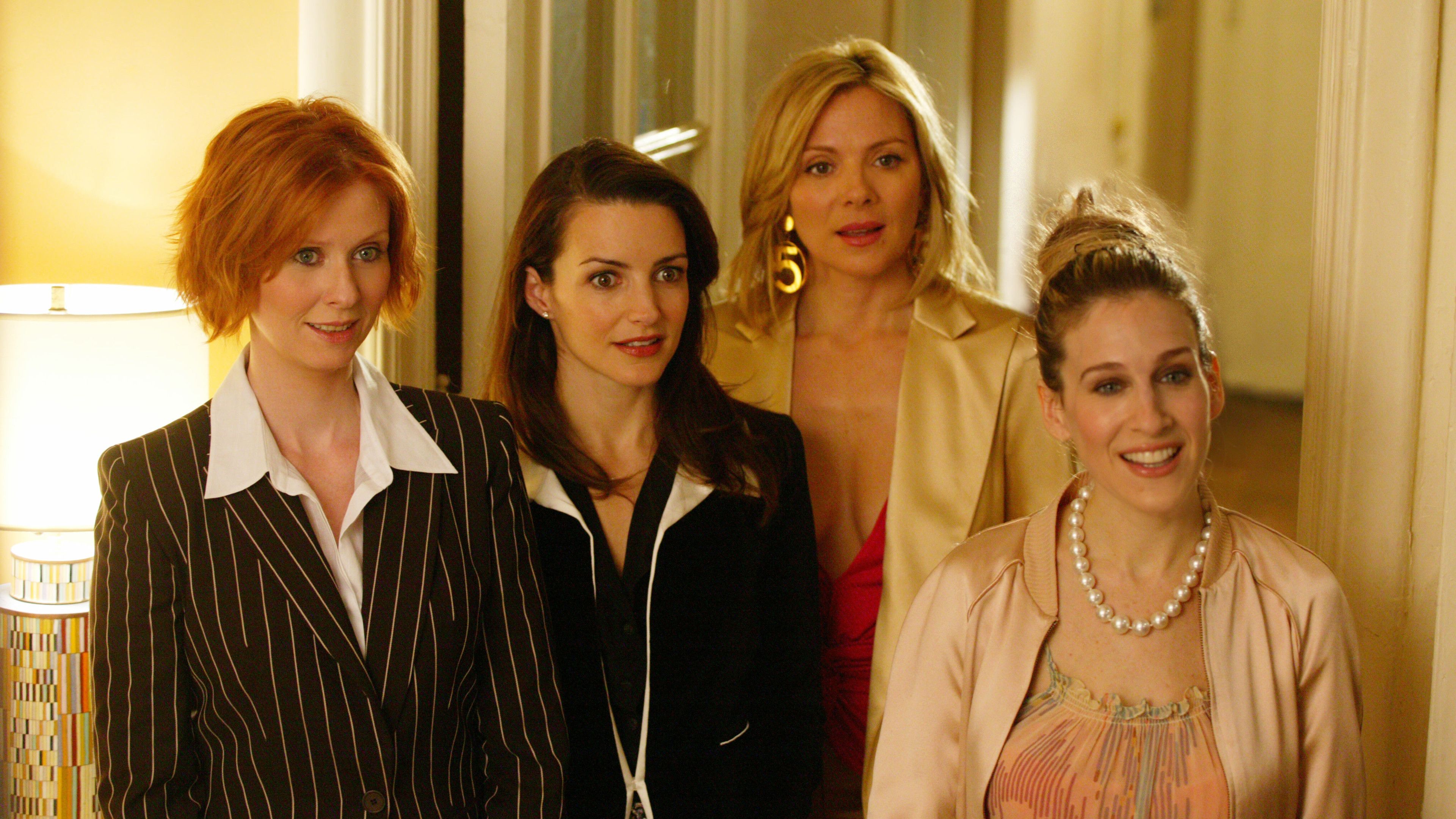
Miranda Hobbes emerges as "Sex and the City's" most underrated character, and her reputation has only improved with time. While Carrie Bradshaw captured headlines with her romantic exploits and designer obsessions, and Samantha Jones dominated through raw sexuality and one-liners, Miranda operated as the show's moral compass and voice of reason. During the original HBO run, audiences often dismissed her pragmatism as prudish compared to her flashier counterparts.
Contemporary reexamination reveals Miranda's prescience. She prioritized career advancement in a male-dominated workplace before feminism became mainstream discourse. Her struggles with motherhood, work-life balance, and aging felt unglamorous against the show's surface-level materialism, yet those storylines contained genuine complexity. The character resisted the fantasy narrative the series frequently peddled.
Cynthia Nixon's grounded performance grounded the ensemble. While Sarah Jessica Parker's Carrie wobbled between vulnerability and self-absorption, and Kim Cattrall's Samantha delivered witticisms, Nixon constructed Miranda as someone audiences could actually trust. Her skepticism toward men, her financial independence, and her refusal to contort herself for romance read as subversive in a show ostensibly about female friendship.
The 2021 revival "And Just Like That" reinforced this trajectory. Miranda's evolution into a complex, evolving woman navigating sexuality, identity, and partnership demonstrated that her earlier reserve masked deeper introspection. Audiences reconnected with her storyline because it reflected reality more authentically than Carrie's perpetual crisis-management or Samantha's one-dimensional predation.
The internet's collective reassessment reflects shifting cultural values. Gen Z audiences raised on fourth-wave feminism recognize that Miranda's insistence on stability, professional respect, and genuine connection represented feminist ideals the show sometimes undermined