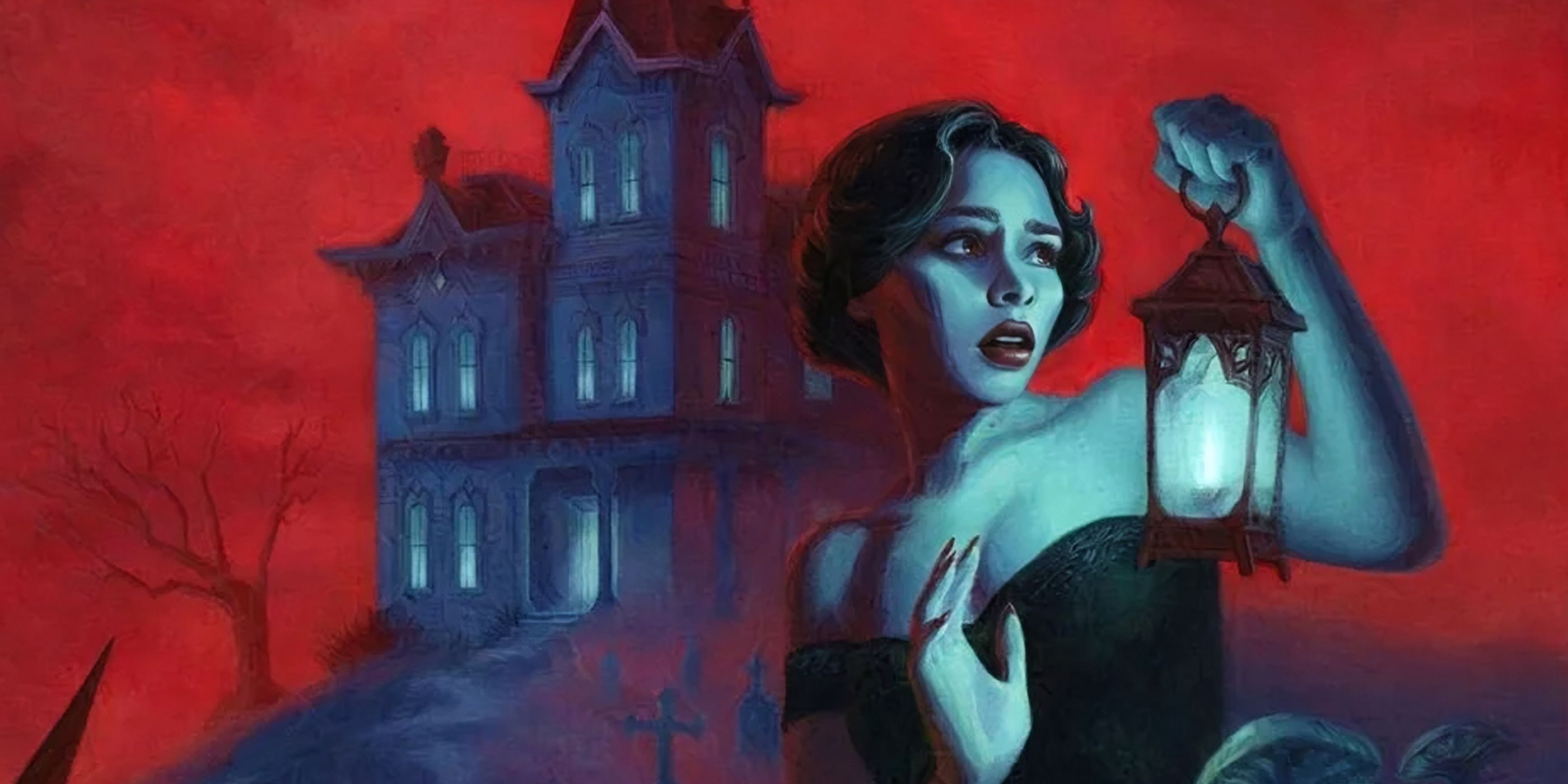
Silvia Moreno-Garcia's Mexican Gothic arrives as a masterclass in atmospheric storytelling that weaponizes Gothic conventions against colonial power structures. The 2020 novel fuses the claustrophobic dread of The Last of Us with the obsessive romanticism of Wuthering Heights, creating something that feels both classic and urgently contemporary.
The book tracks Noemí Taboada, a socialite who enters a crumbling Mexican estate to check on her cousin after receiving a disturbing letter. What unfolds is a nightmare of isolation, family secrets, and slow-burn horror. Moreno-Garcia grounds her Gothic mechanics in the specific context of post-Revolution Mexico, where American and European colonial legacies still poison the landscape and bloodlines.
Mexican Gothic refuses the traditional Gothic heroine archetype. Noemí arrives privileged but becomes systematically trapped and gaslit by a family that views her body as a vessel for their eugenic obsessions. The horror pivots on bodily autonomy, exploitation, and the way colonialism metastasizes through generations. Moreno-Garcia renders the estate itself as a living antagonist, its walls seeping with mold and corruption that mirrors the moral rot festering within.
The novel's strength lies in its patience. Gothic atmosphere demands time, and Moreno-Garcia builds dread through texture and implication rather than jump scares. Readers sense danger accumulating in the margins. The family dinner scenes crackle with threat. A simple glass of milk becomes ominous. This restraint separates Mexican Gothic from more commercial horror offerings.
The comparison to The Last of Us holds because both works use biological horror to explore larger systemic failures. Where that series used fungal infection as metaphor, Moreno-Garcia deploys heredity, medication, and reproductive control. Both demand that characters confront horrors