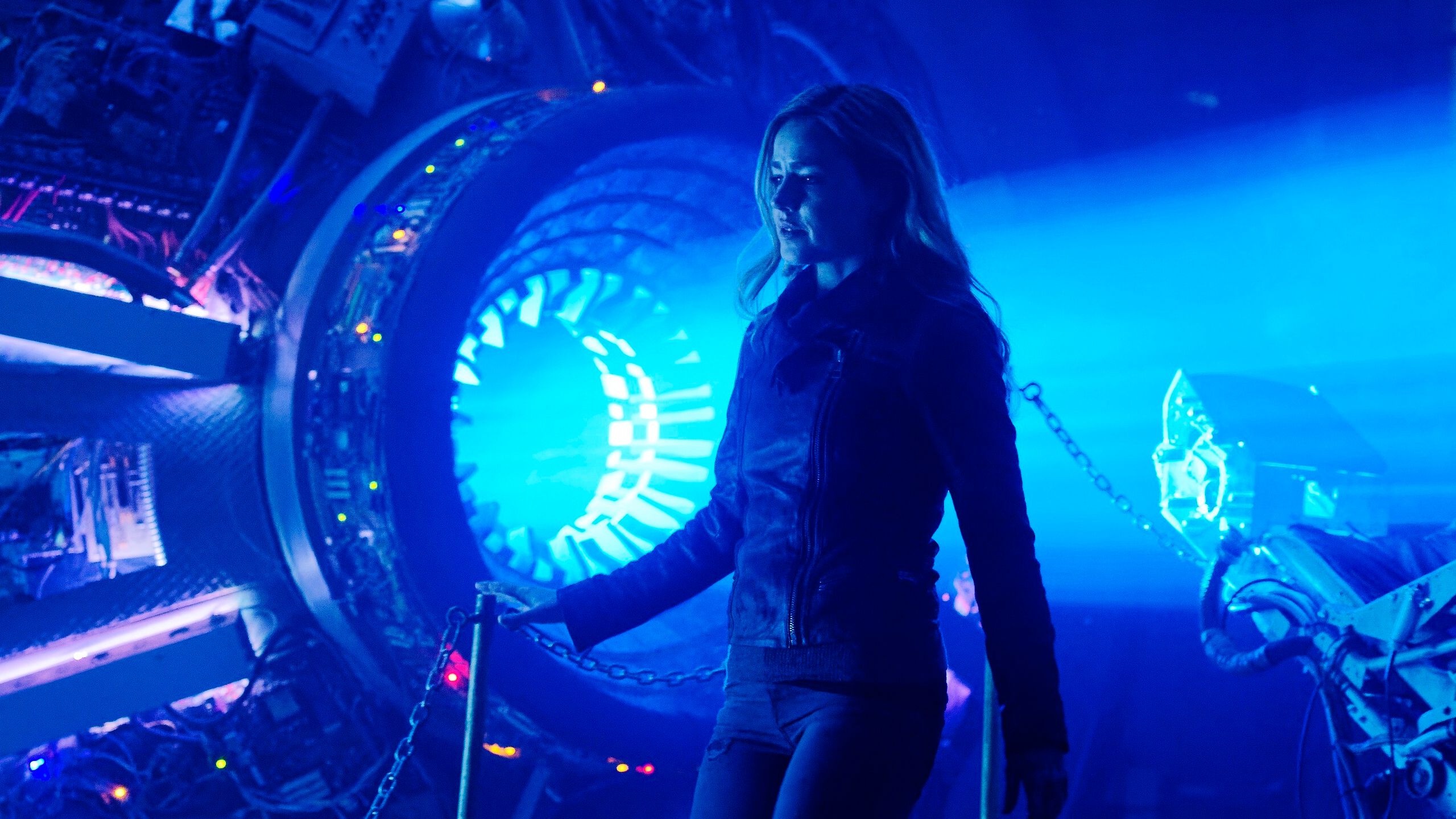
Time travel narratives demand precision that few television series achieve, yet seven shows have cracked the code by balancing complex mythology with sustained storytelling across multiple seasons.
The constraint of episodic television makes temporal logic exponentially harder than film. Shows must maintain internal consistency across 10-13 hours minimum per season while audiences have weeks between episodes to catch plot holes. These seven series sidestep paradoxes, circular reasoning, and narrative dead ends through meticulous worldbuilding and clear temporal rules.
What separates flawless execution from muddled attempts comes down to three factors. First, the show establishes time travel rules early and respects them religiously. Second, it treats time travel as thematic material rather than a plot device to escape corners. Third, it recognizes that audiences accept fantastical premises if character stakes feel authentic.
Shows like "Primer" proved audiences would embrace intricate time mechanics in film. On television, "The Flash" navigated the Speedforce's temporal complications across nine seasons. "Doctor Who" sustained 60 years of time travel storytelling by centering emotional stakes around the Doctor's isolation. "Legends of Tomorrow" embraced camp while maintaining timeline logic. "12 Monkeys" adapted its film source material brilliantly, using time travel as a tool for exploring trauma and destiny rather than spectacle.
"Orphan Black," while not exclusively about time travel, deployed temporal elements to deepen its clone mythology. "Fringe" managed multiple timelines and alternate universes without losing character focus. "Steins;Gate," an anime series, became a gold standard for time travel television by making every second-long consequence reverberate across narratives.
The common thread connects how each show subordinated time mechanics to emotional logic. Characters don't just move through time; they sacrifice, suffer, and transform because of it. The temporal rules