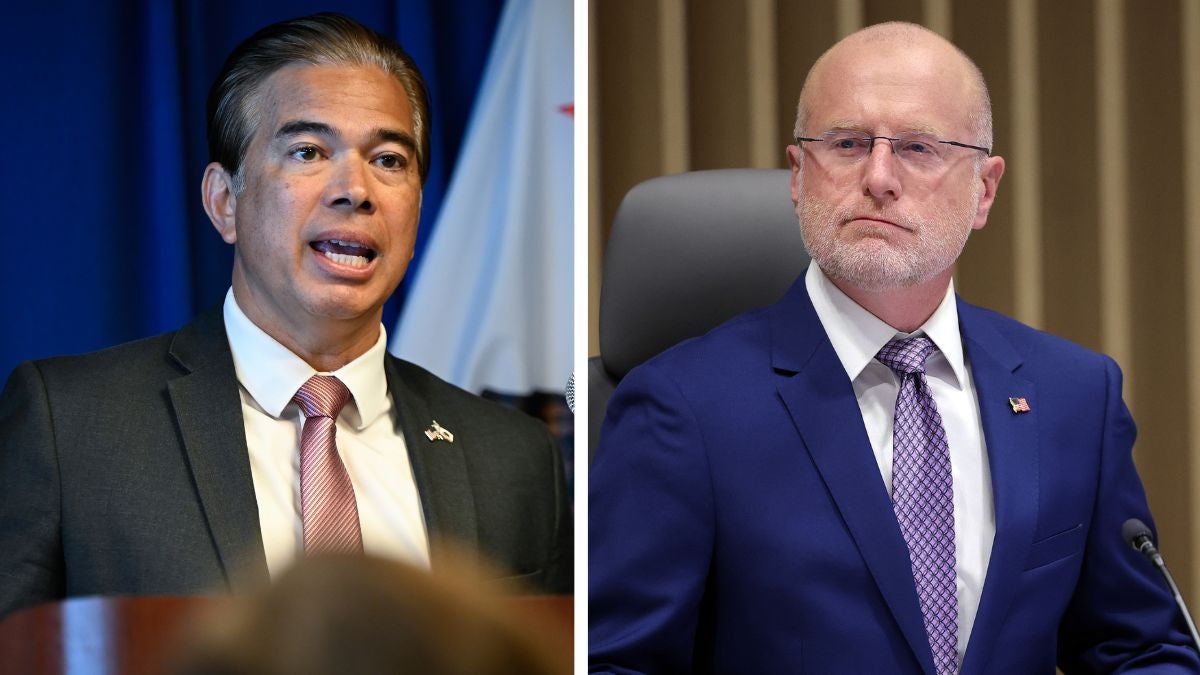
California Attorney General Rob Bonta pushed back hard against the FCC's characterization of state positions in the ongoing Paramount antitrust case. The FCC claimed states could potentially drop their lawsuit if Paramount spun off CNN, a suggestion Bonta flatly rejected.
"Literally never said this," Bonta responded, directly contradicting the regulatory agency's public statements. The attorney general emphasized that spinning off a single channel from a sprawling media conglomerate falls short of meaningful consumer protection.
The legal battle centers on Paramount's market power and how its control over multiple distribution channels and content affects competition. Paramount owns broadcast networks, cable channels, streaming services, and production studios. The states argue this bundled control allows the company to leverage its content to extract unfavorable terms from distributors and charge consumers more.
The FCC's suggestion that a CNN spinoff could resolve state concerns misunderstood the fundamental nature of the complaint. A single channel divestiture would leave Paramount's core structure intact, including its control over Paramount Plus, CBS, MTV, Comedy Central, and its production operations. The conglomerate would maintain leverage across multiple distribution windows and platforms.
Bonta's rebuke signals that state attorneys general won't settle for cosmetic remedies that don't address systemic consolidation issues. The litigation reflects growing scrutiny of media megacompanies under the Biden administration, which has taken a more aggressive antitrust stance than previous administrations.
Paramount faces pressure from multiple directions. Beyond the state lawsuit, the studio navigated a difficult 2023 that included investor concerns about streaming losses and competition from Netflix, Disney Plus, and other platforms. Last year, Paramount merged with Skydance Media to stabilize finances and redirect strategy.
The attorney general's forceful denial also highlights communication breakdowns between state officials and federal regulators. The FCC's mis