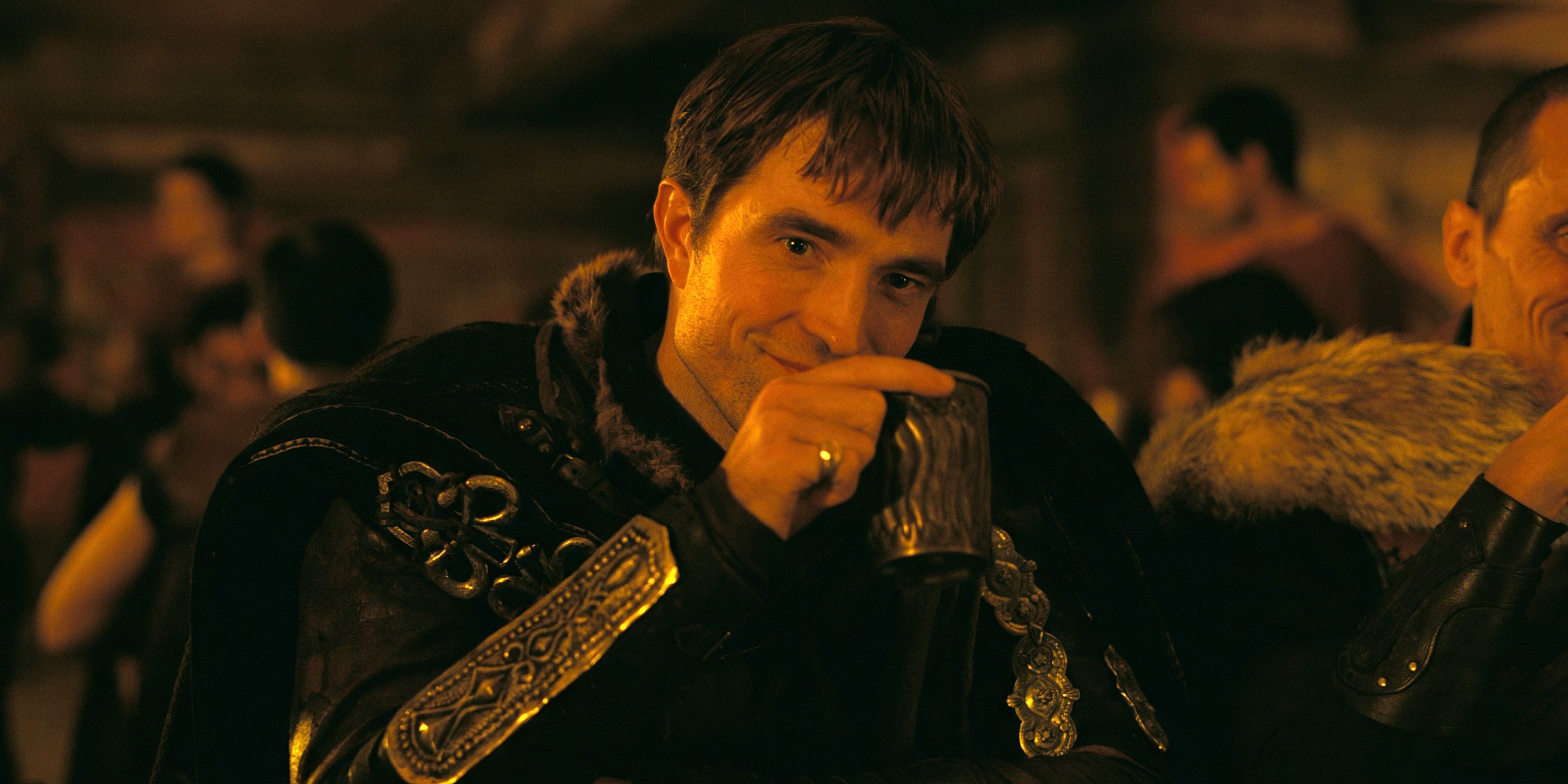
Christopher Nolan's "The Odyssey: The Making of an Epic" launched on streaming as a 22-minute behind-the-scenes documentary that's already resonating with audiences. The doc offers an intimate look at the production of what appears to be one of Nolan's major projects, giving viewers access to the auteur's creative process.
Nolan remains one of Hollywood's most commercially viable and critically revered directors. His recent work includes "Oppenheimer," which dominated the 2024 awards circuit and grossed over $952 million globally, cementing his status as a filmmaker who can deliver both art-house gravitas and blockbuster returns. The director has built a career on ambitious, large-scale productions that demand theatrical exhibition. His commitment to IMAX filmmaking and practical effects over digital trickery has shaped industry conversation around how tentpole cinema should be made.
The streaming release of a Nolan documentary represents a strategic play by the studio or platform involved. While Nolan has historically been protective of the theatrical experience, behind-the-scenes content serves a different purpose. These making-of docs function as prestige marketing, building hype for theatrical releases while offering fans deeper context into production choices and creative collaboration.
The early traction suggests audiences remain hungry for Nolan content, particularly glimpses into his working methods. Fans and industry observers follow his projects closely, dissecting his use of practical effects, his narrative structures, and his collaborations with cinematographer Hoyte van Hoytema and composer Ludwig Göransson. Each project becomes an event, partly because Nolan controls his output carefully and remains selective about which stories warrant his attention.
"The Odyssey" taps into a broader trend where studios use short-form documentaries to feed algorithm-friendly streaming platforms while maintaining theatrical focus for the main feature. The strategy works for pres