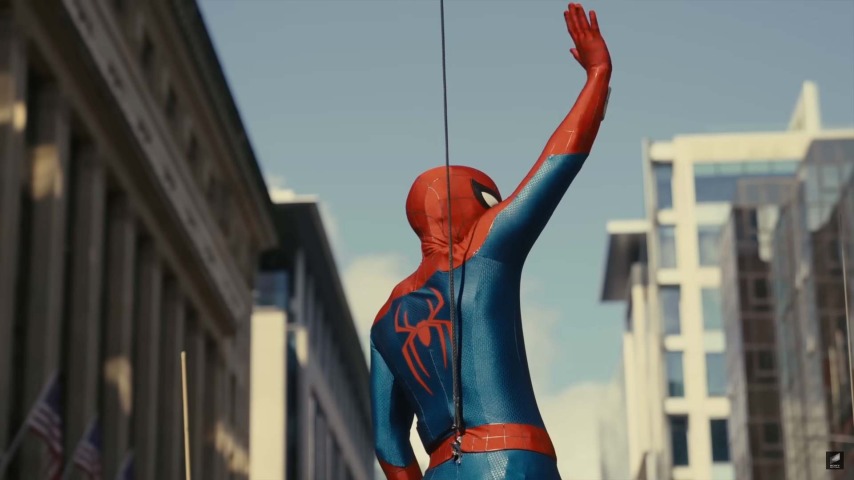
Marvel Comics is relocating its New York headquarters to Burbank, California, moving closer to its parent company Disney and the entertainment infrastructure that dominates the West Coast. The shift marks a symbolic end to decades of East Coast operations for the storied publisher that built its identity in Manhattan.
The move reflects broader industry consolidation. Marvel operates as part of Disney's sprawling entertainment empire, which already controls Lucasfilm, Pixar, and ABC through its Hollywood footprint. Positioning the comics division in Burbank streamlines operations and aligns it with Disney's film and television production hubs, where Marvel Studios generates billions in box office revenue annually.
This departure hits differently for the publisher that anchored itself in New York storytelling for generations. Spider-Man swung through Manhattan streets. The X-Men operated from Westchester County. Even the Avengers claimed New York as their home base. The city wasn't just Marvel's setting. It was Marvel's identity. Writers and artists gravitated to New York for decades, and the company's Deep roots in the Manhattan publishing world shaped its creative voice.
Yet the economic logic proves undeniable. Marvel's value now derives primarily from cinematic and streaming adaptation rather than print sales. Disney wants decision-making centered where creative executives, visual effects teams, and studio heads already congregate. The company that revolutionized comics in the 1960s by grounding superhero narratives in recognizable urban reality now finds its commercial future tied entirely to Hollywood production cycles.
The relocation echoes a broader pattern of California consolidation in entertainment. Publishing houses, animation studios, and production companies have steadily migrated westward as streaming platforms and theatrical releases become the dominant revenue drivers. Marvel's move acknowledges that comics now function primarily as IP farms feeding the Disney content machine.
For Marvel employees, the transition presents practical challenges. New York's publishing and arts community will lose institutional