The NC-17 rating represents a commercial death sentence in American cinema, yet some of the industry's most artistically daring films have worn the badge. Collider's list of essential NC-17 movies highlights how the Motion Picture Association's most restrictive rating often signals unbridled creative ambition rather than artistic failure.
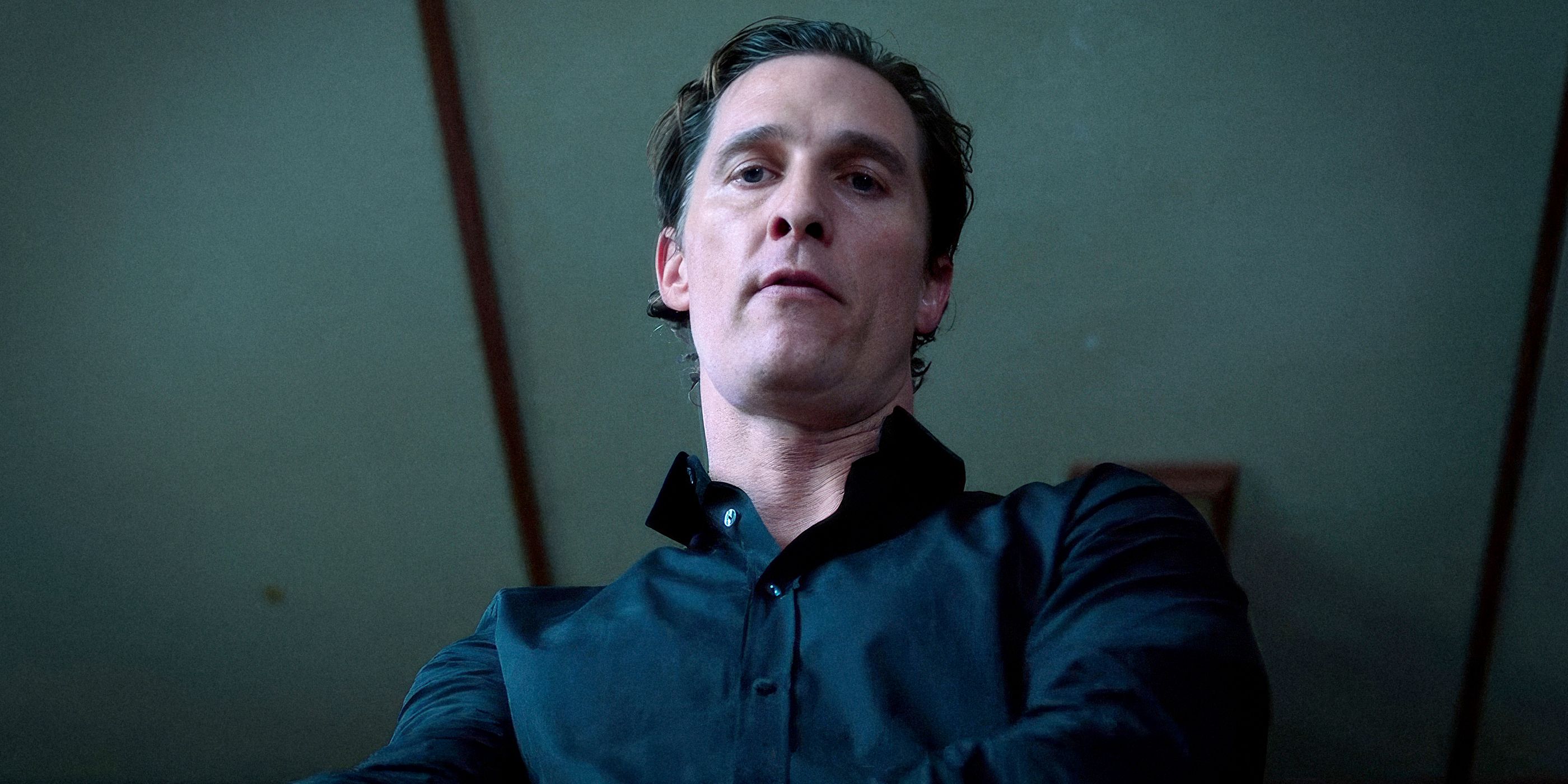
Killer Joe anchors this conversation. David Lynch protégé David Greer's 2011 thriller pairs Matthew McConaughey's feral performance with uncommon brutality and sexual content that studios typically avoid. The film proves that NC-17 classification doesn't diminish artistic merit when the filmmaker commits fully to their vision.
Bad Lieutenant, Werner Herzog's deranged 1992 cop drama starring Harvey Keitel, operates in similar territory. Herzog's deliberate provocation creates something beyond mere shock value, deploying extreme content toward genuine thematic exploration. Keitel's descent into depravity serves the film's moral questions about corruption and redemption.
The Evil Dead's presence on such lists signals how the MPAA's standards shift over time. Sam Raimi's original 1981 horror landmark received the rating for its unflinching gore, though modern audiences recognize it as foundational genre cinema rather than exploitative trash.
What unites these films is their refusal to compromise vision for market accessibility. The NC-17 rating carries consequences. Multiplexes often refuse booking. Major retailers won't stock physical media. Marketing budgets shrink. Yet directors like Lynch, Herzog, and Raimi chose artistic integrity over commercial calculation.
The rating's rarity makes it newsworthy each time a major director risks it. When Denis Villeneuve, Pablo Larraín, or Yorgos Lanthimos face NC-17 considerations, industry observers recognize genuine creative fearlessness. These filmmakers reject the MP