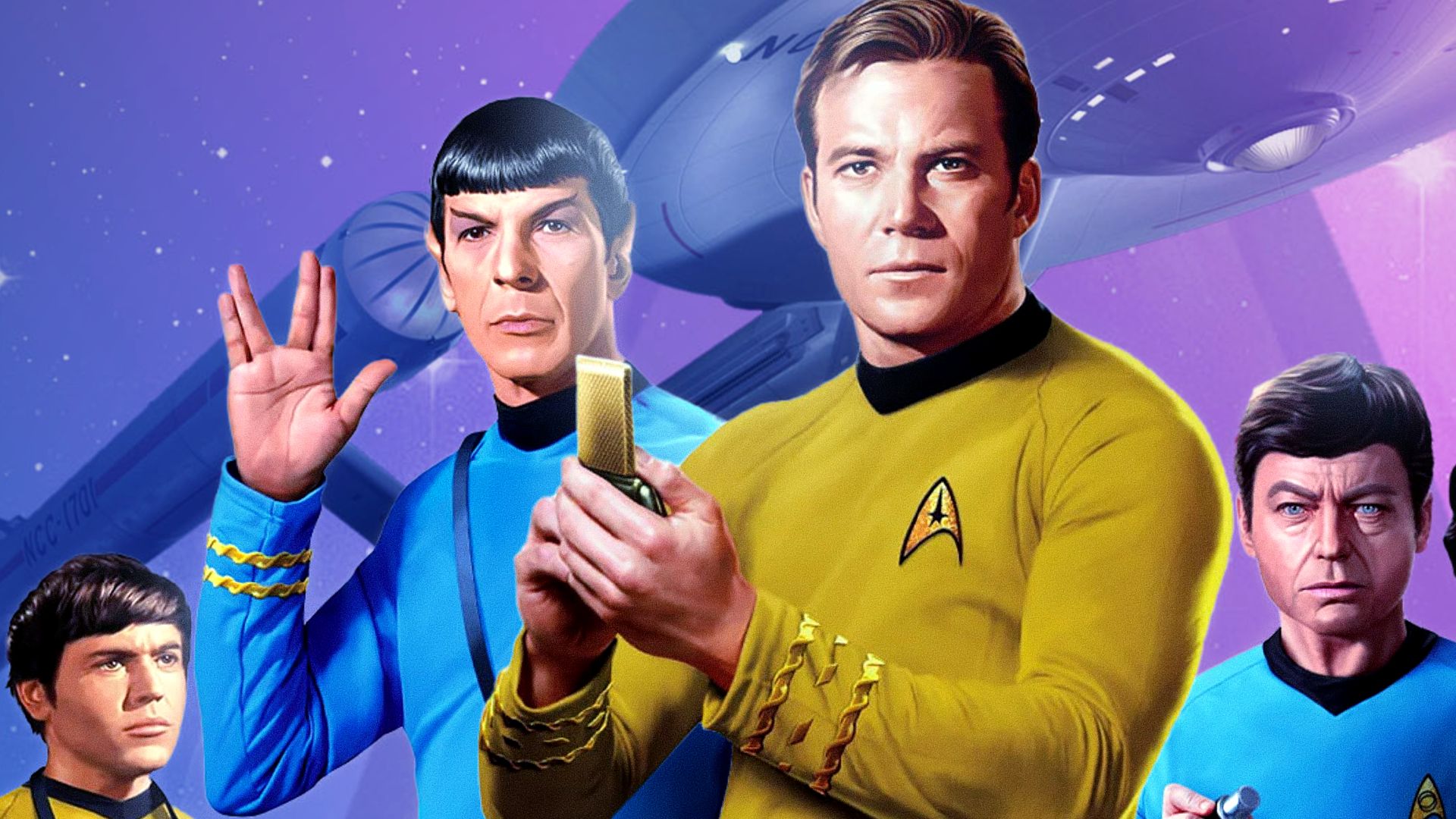
Star Trek demonstrated remarkable prescience across its various series, with standalone episodes forecasting real-world technology and social shifts years before they materialized.
The original series and its successors imagined tablet computers, touchscreen interfaces, and handheld communication devices that mirrored smartphones decades before iPhone arrived. Episodes explored video conferencing technology, virtual reality environments, and social media dynamics that seemed fantastical when first broadcast but now define daily life.
Beyond gadgetry, Star Trek tackled prescient social commentary. Episodes grappled with surveillance ethics, artificial intelligence consciousness, genetic engineering implications, and cybersecurity threats. The franchise consistently asked "what if" questions about emerging technologies and their societal impact, positioning itself as speculative fiction with genuine foresight.
This predictive power stems from showrunners and writers consulting scientists and futurists. Gene Roddenberry's vision prioritized plausible technological extrapolation grounded in existing physics and engineering principles. Rather than pure fantasy, the show anchored innovations in recognizable trajectories of progress.
The episodes that aged best weren't those inventing impossible technology, but those exploring how humans interact with inevitable innovations. A 1960s episode depicting surveillance overreach resonates more today than ever. Stories about androids questioning their personhood presaged contemporary AI ethics debates. Scenarios involving digital identity theft preceded our current cybercrime landscape.
Star Trek's legacy extends beyond entertainment. NASA engineers cite the series as inspiration for career choices. Actual devices like communication systems borrowed design philosophy from the show's tricorders and communicators. The franchise shaped technological ambitions as much as it predicted them.
The show's accuracy reveals something about thoughtful science fiction. It extrapolates from observable trends rather than inventing from nowhere. When writers examined computing power trajectories, wireless communication possibilities, and human behavioral patterns, they landed on futures that actually arrived.
Star Trek remains relevant because