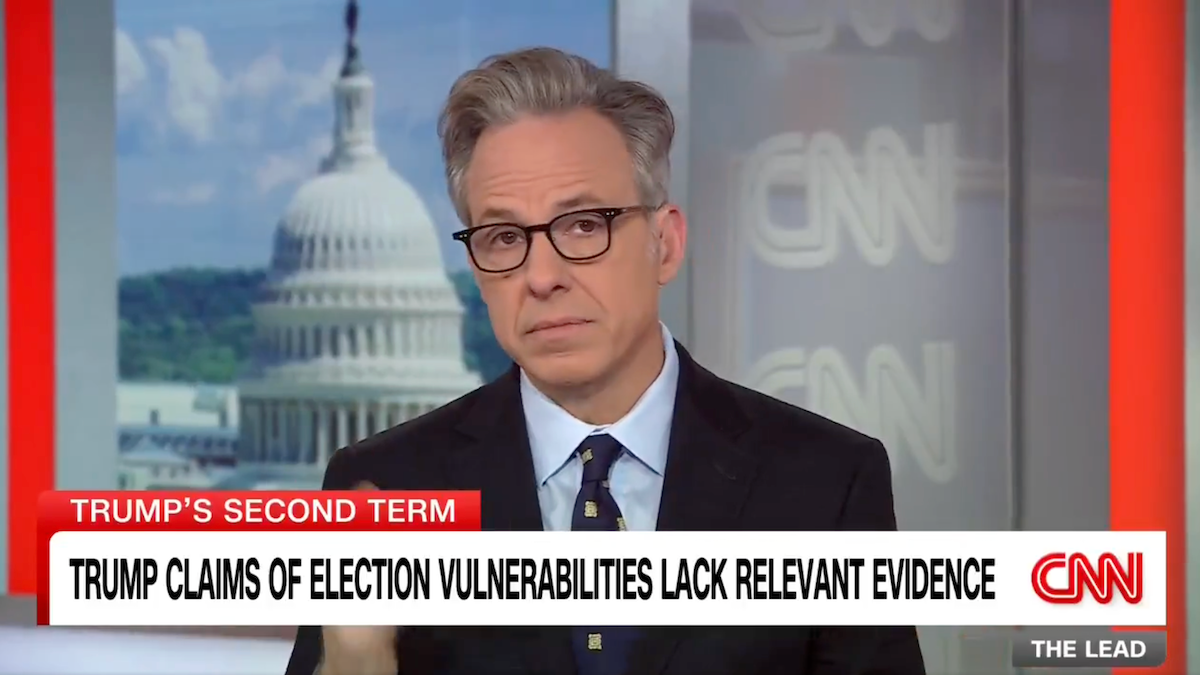
CNN anchor Jake Tapper took aim at a Trump primetime address on election interference, suggesting the speech's content didn't warrant the airtime. Tapper quipped that the address "could have been an email," mocking the lack of substantive new material.
The criticism stems from CNN's review of declassified documents presented during the speech. The network's analysis found Trump largely rehashed issues already covered in 2021 U.S. intelligence reports. No bombshell revelations emerged from the primetime slot, which Trump had apparently positioned as a major address to the nation.
Tapper's barb reflects broader frustration among cable news hosts over Trump's use of primetime television. Networks regularly grant him significant airtime for announced addresses, betting audiences will tune in for newsworthy announcements. When those speeches recycle previously disclosed information, it becomes a wasted opportunity for substantive coverage.
The incident highlights the ongoing tension between Trump's media strategy and traditional journalism's expectations. Cable outlets must balance ratings interest against editorial standards. A Trump address draws viewers, but airing stale information that rehashes old intelligence reports serves neither audiences nor factual discourse.
The declassified documents themselves contained nothing new to security experts or the intelligence community. Trump's team had positioned the speech as a chance to reveal fresh perspectives on election interference, but the execution fell short of that framing.
This pattern has repeated throughout Trump's post-presidency period. Major announcements often disappoint in substance while dominating cable coverage anyway. Networks continue broadcasting his addresses, knowing they pull ratings, even when the content fails to deliver actual news.
Tapper's response represents a more direct editorial critique than networks typically voice on-air. Rather than simply covering the speech factually, the anchor openly questioned whether it merited the primetime platform at all. That kind of frank media criticism rarely emerges during live coverage, making his "could