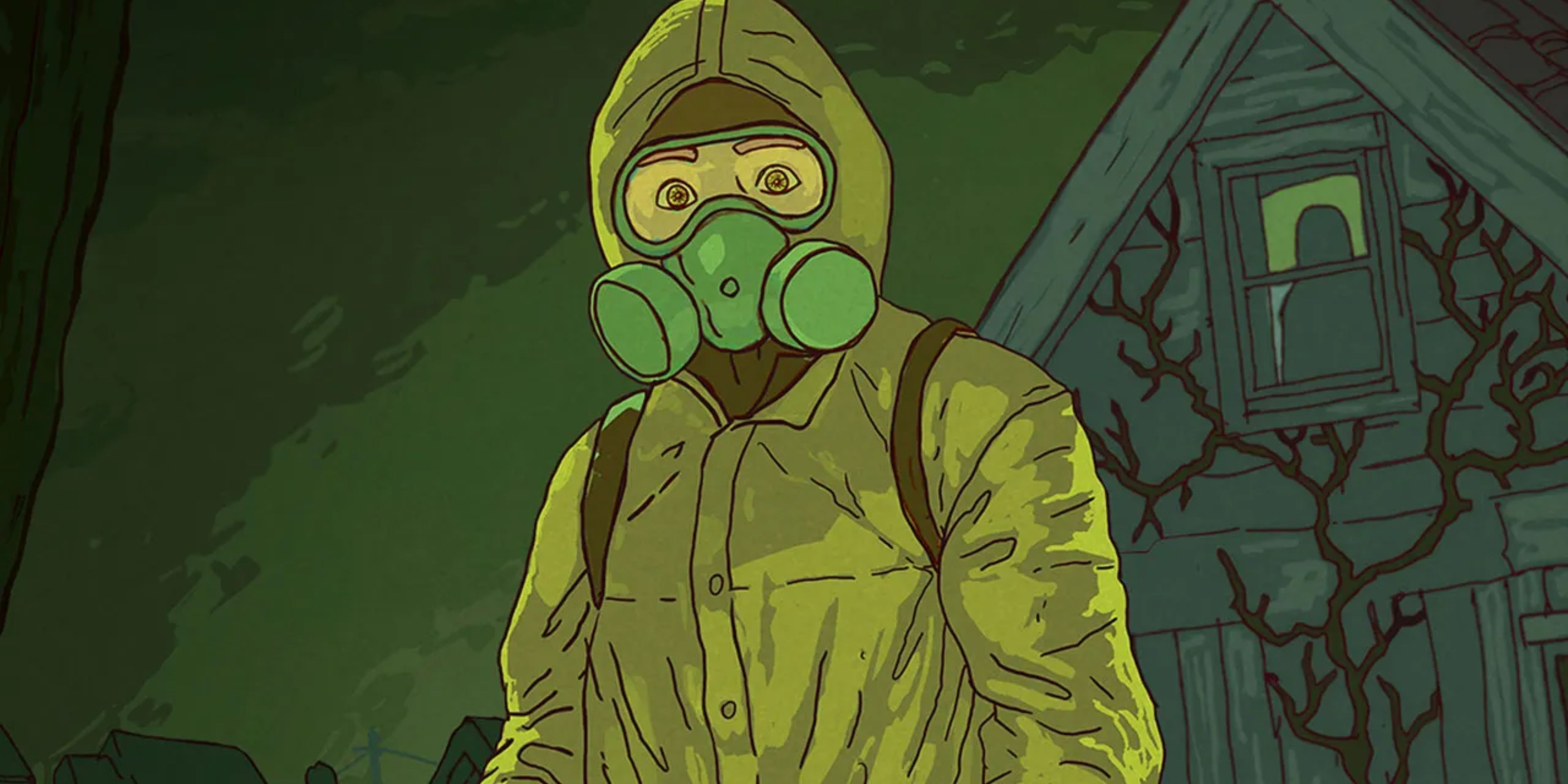
A new farming game blends the cozy mechanics that made Stardew Valley a phenomenon with horror elements, creating something distinctly unsettling. Rather than traditional monsters, players face rot and decay spreading across their virtual farmland.
The game taps into a growing trend of subverting beloved indie formulas. Stardew Valley's template, which emphasizes community relationships, crop management, and peaceful progression, has spawned countless imitators. This title inverts those expectations by infusing the farming loop with dread and existential threat.
The rot mechanic replaces traditional combat. Players must manage spreading corruption across their crops and land, transforming the meditative act of farming into something more urgent and survival-focused. This approach mirrors Resident Evil's emphasis on biological horror, except the threat emerges from the soil itself rather than shambling enemies.
The game capitalizes on current player appetite for genre mashups. Stardew Valley's 2016 release proved that audiences wanted slower-paced gameplay centered on productivity and relationship-building. That success spawned dozens of farming sims across indie and major studios. Adding horror to the formula creates differentiation in an increasingly crowded space.
This strategy echoes other recent indie successes that recontextualize familiar mechanics. Games like A Space for the Unbound and A Short Hike demonstrated that audiences embrace unexpected tonal shifts when they serve the narrative. Horror-tinged farming addresses players fatigued by pure escapism, offering something thematically deeper.
The title sits in an interesting market position. It attracts Stardew Valley enthusiasts seeking fresh experiences while courting horror fans tired of jump-scares and combat-heavy designs. That crossover appeal matters as the horror genre continues evolving beyond first-person shooters and action games.
Whether the game sustains both audiences remains uncertain. Horror and cozy gameplay