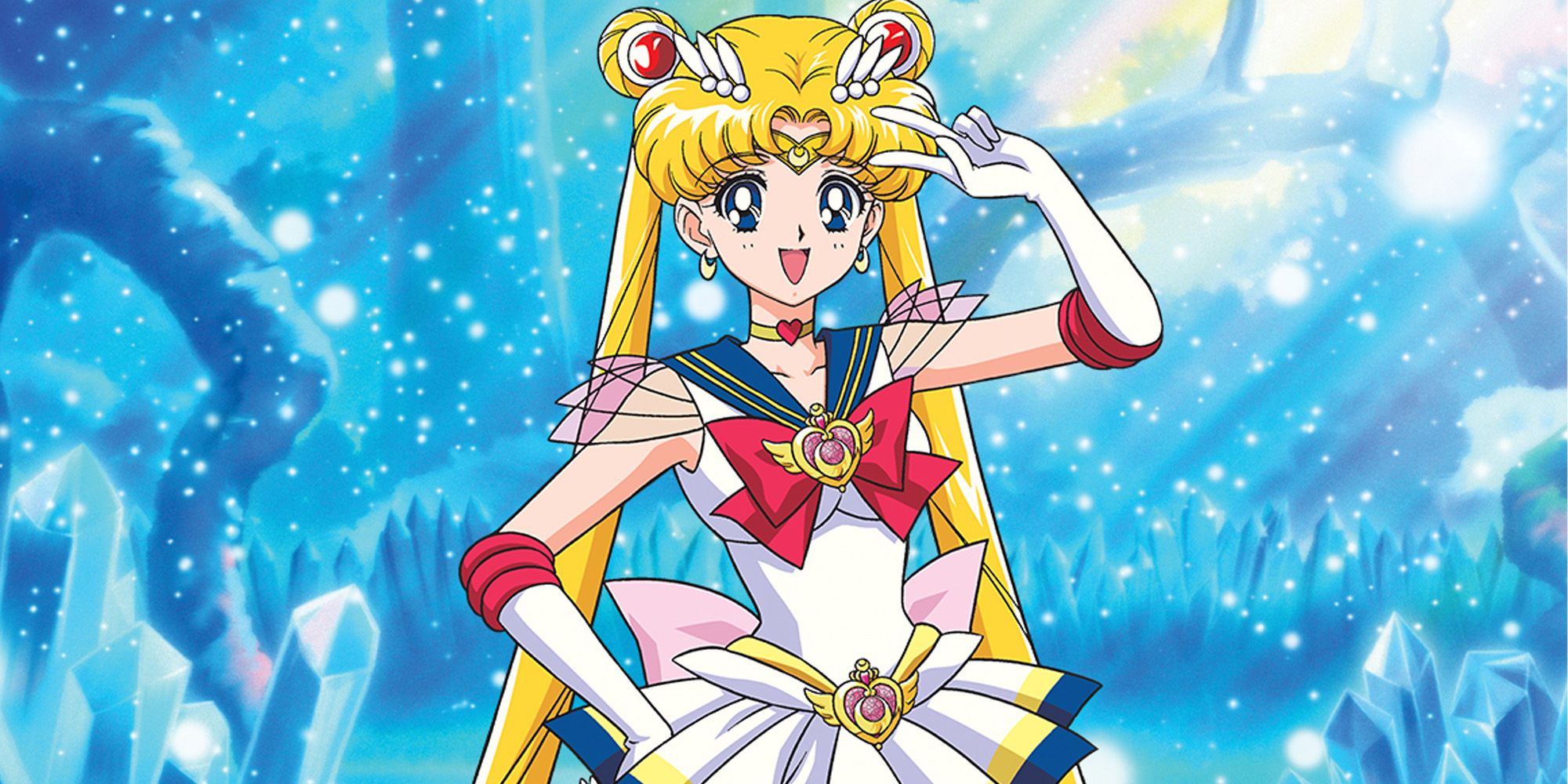
DiC Entertainment's 1990s American dub of Sailor Moon strips the anime of its darkest storytelling and queer representation, fundamentally altering creator Naoko Takeuchi's vision for stateside audiences. The localization removed character deaths entirely, softened violence, and sanitized the romantic relationships between female characters that drive the original narrative.
The original Japanese series featured significant casualties. Sailor Moon's American version erased these moments, replacing death scenes with vague departures or magical transformations. This gutting of consequence flattened the emotional stakes that made Sailor Moon resonate with its Japanese audience.
LGBTQ+ representation took the heaviest hit. The Sailor Scouts' relationships with each other, explicitly romantic in the source material, became coded as friendship. Most egregiously, Sailor Neptune and Sailor Uranus, a couple in the original, were reframed as cousins in the English dub. This rewriting denied American viewers the progressive representation that defined the anime's cultural impact in Japan.
The censorship extended to thematic material. DiC's version scrubbed references to bodily autonomy, menstruation, and sexuality that anchored Takeuchi's feminist storytelling. The American dub prioritized selling toys to younger demographics over preserving the series' substantive content about growing up female.
Modern anime fans discovered these cuts through subsequent DVD releases and streaming platforms offering uncut episodes. The contrast between versions sparked conversations about how localization serves marketing interests over artistic integrity. Sailor Moon remains a case study in how American gatekeeping shaped what international content reaches mainstream audiences.
Toei Animation and Naoko Takeuchi had limited oversight of DiC's adaptation. The studio prioritized airtime on Kids' WB, which demanded sanitization. Later English dubs, including the 2014 Viz Media localization, restored much of