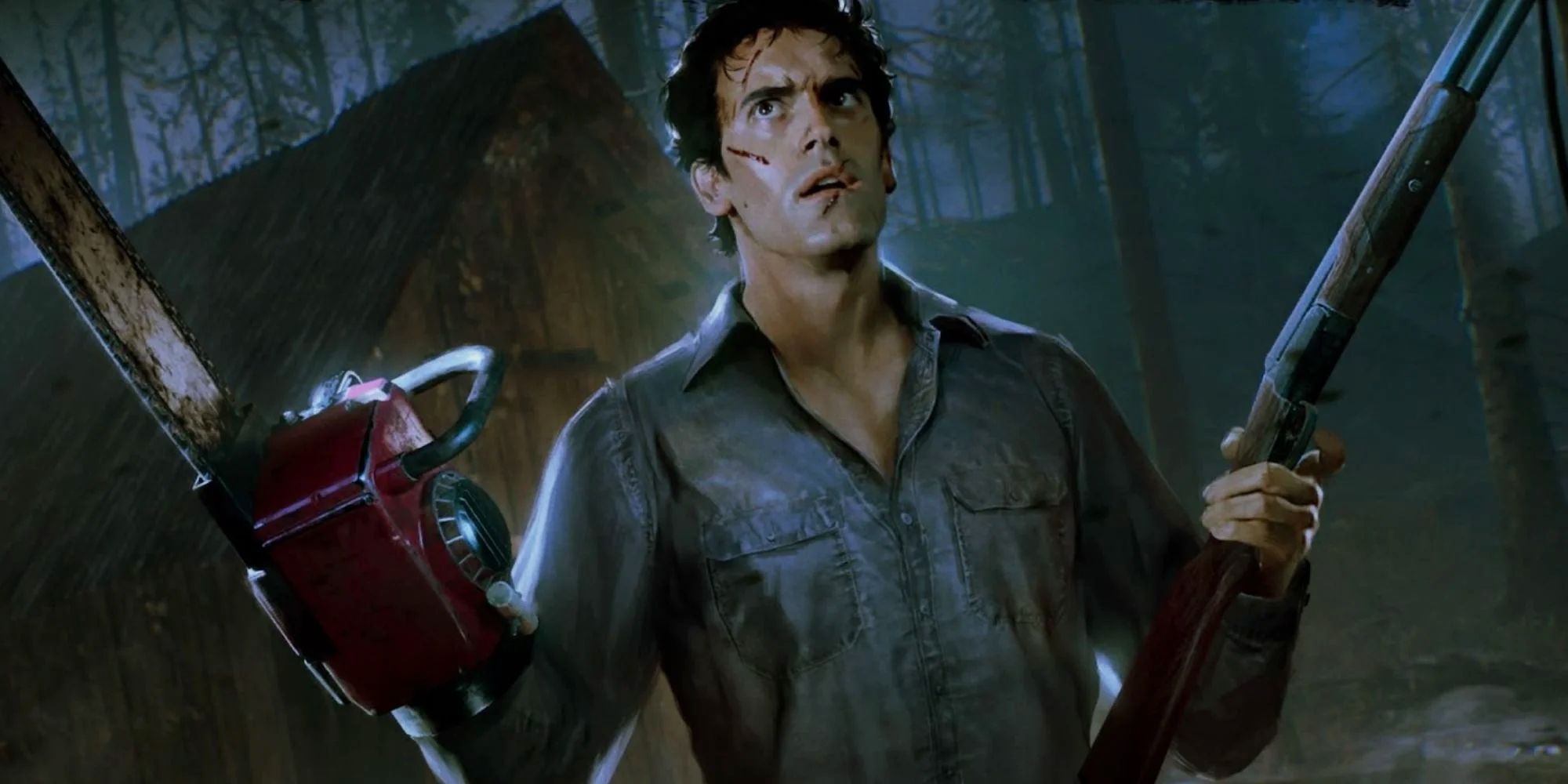
Collider has assembled a list celebrating "mindless horror" as a legitimate subgenre, spotlighting films that prioritize entertainment and spectacle over cerebral scares. The roundup includes bona fide classics like Joe Dante's Gremlins, Sam Raimi's Evil Dead II, and Dan O'Bannon's The Return of the Living Dead, establishing that fun-first horror carries real cultural weight.
This framing reflects a shift in how critics and audiences evaluate the genre. Mindless horror doesn't mean poorly made. Instead, it describes films that embrace creature effects, slapstick timing, or narrative absurdity as features rather than bugs. Gremlins balances Christmas-movie sentiment with practical monster mayhem. Evil Dead II amplifies its predecessor's gore with dark comedy and Bruce Campbell's physical performance. The Return of the Living Dead couples zombie action with punk-rock attitude and genuinely catchy music.
The recognition matters. Horror has long battled gatekeeping that privileges "elevated" or "prestige" entries, especially as A24 and similar distributors market arthouse terror to critics' darlings. But audiences crave escapism. They show up for Gremlins at $500 million worldwide because it delivers thrills without demanding the viewer decode symbolism or sit through slow burns.
This list affirms that horror's spectrum includes room for both Hereditary and Tremors. Both serve different needs. One operates as contemporary American gothic. The other offers practical creature design, Kevin Bacon charisma, and Kevin Bacon running from underground worms. Neither is better. They occupy different emotional registers.
Collider's framing also acknowledges that horror's low-budget origins birthed much of its creative innovation. Films made fast and cheap innovated makeup, practical effects, and stunt choreography because they had to. That resourcefulness