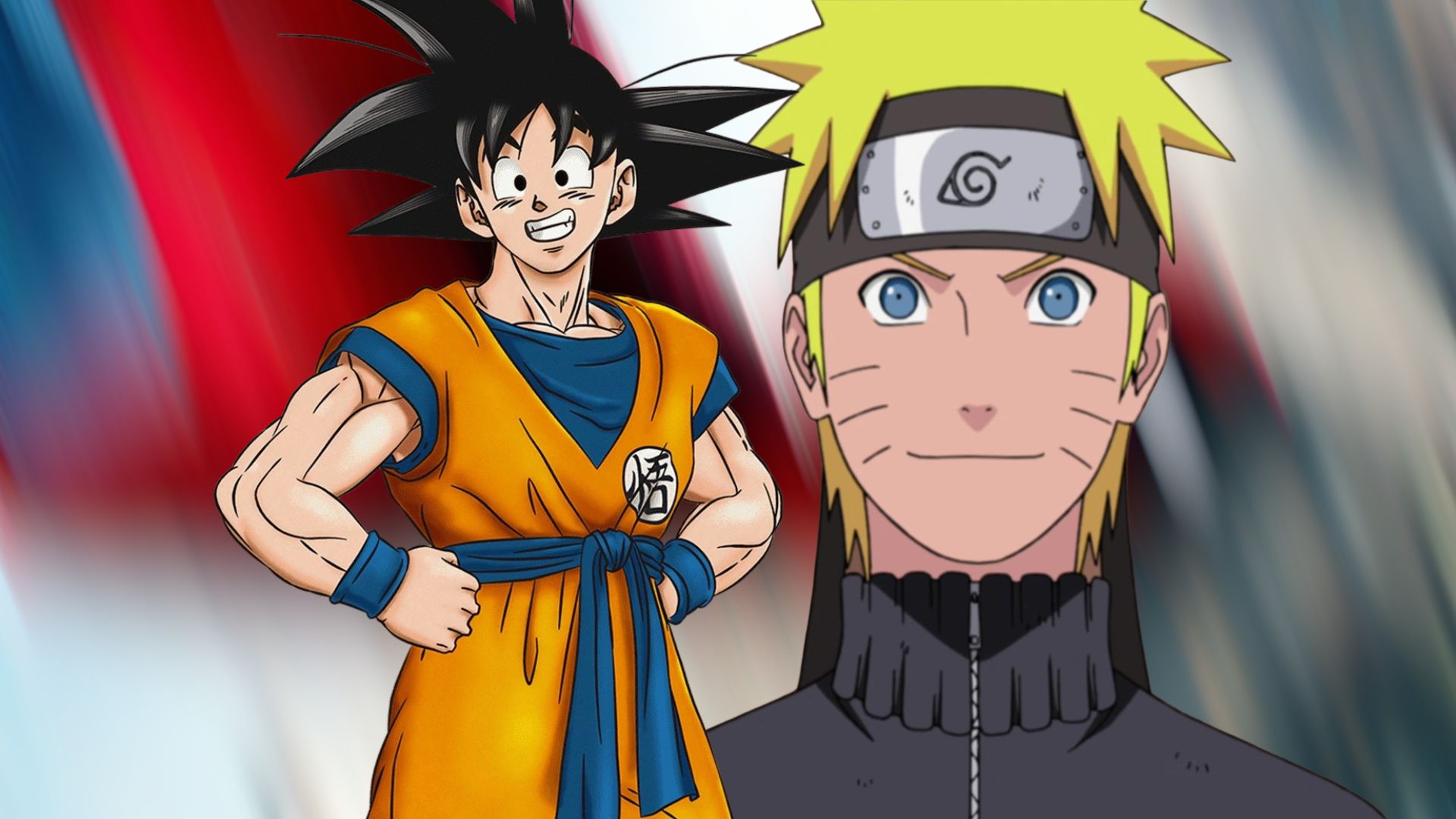
Masashi Kishimoto has pulled back the curtain on Naruto's creative origins, revealing that his mega-hit shonen series drew inspiration from unexpected sources beyond the typical Dragon Ball comparison. While fans long assumed Kishimoto followed Akira Toriyama's blueprint, the creator has clarified that Naruto actually took cues from a different set of influences that shaped its identity as a generational anime phenomenon.
Kishimoto's admission reframes how the industry understands Naruto's development during its serialization in Weekly Shonen Jump from 1999 to 2014. Rather than existing purely in Dragon Ball's shadow, Naruto carved its own path by absorbing influences from multiple anime and manga traditions. This distinction matters because it explains why Naruto resonated with audiences in ways that set it apart from the post-Dragon Ball shonen landscape.
The series became a cultural juggernaut, spawning 11 theatrical films, two anime adaptations (the original series and Naruto Shippuden), and the spinoff Boruto franchise that continues today. Its success on platforms like Crunchyroll and Netflix made shonen anime accessible to Western audiences at unprecedented scale. The franchise generated billions in revenue and influenced how studios approached character development, long-form storytelling, and fan engagement.
Understanding Kishimoto's actual creative influences provides context for why Naruto achieved what countless other shonen series attempted but failed to accomplish. The ninja-themed narrative structure, the emphasis on underdog transformation, and the balance between humor and genuine emotional stakes all contributed to its longevity. Kishimoto's candid revelation invites reassessment of Naruto's place in anime history and acknowledges the diverse creative well from which the creator drew.
This clarification also speaks to industry evolution. While Dragon Ball defined shonen fundamentals,