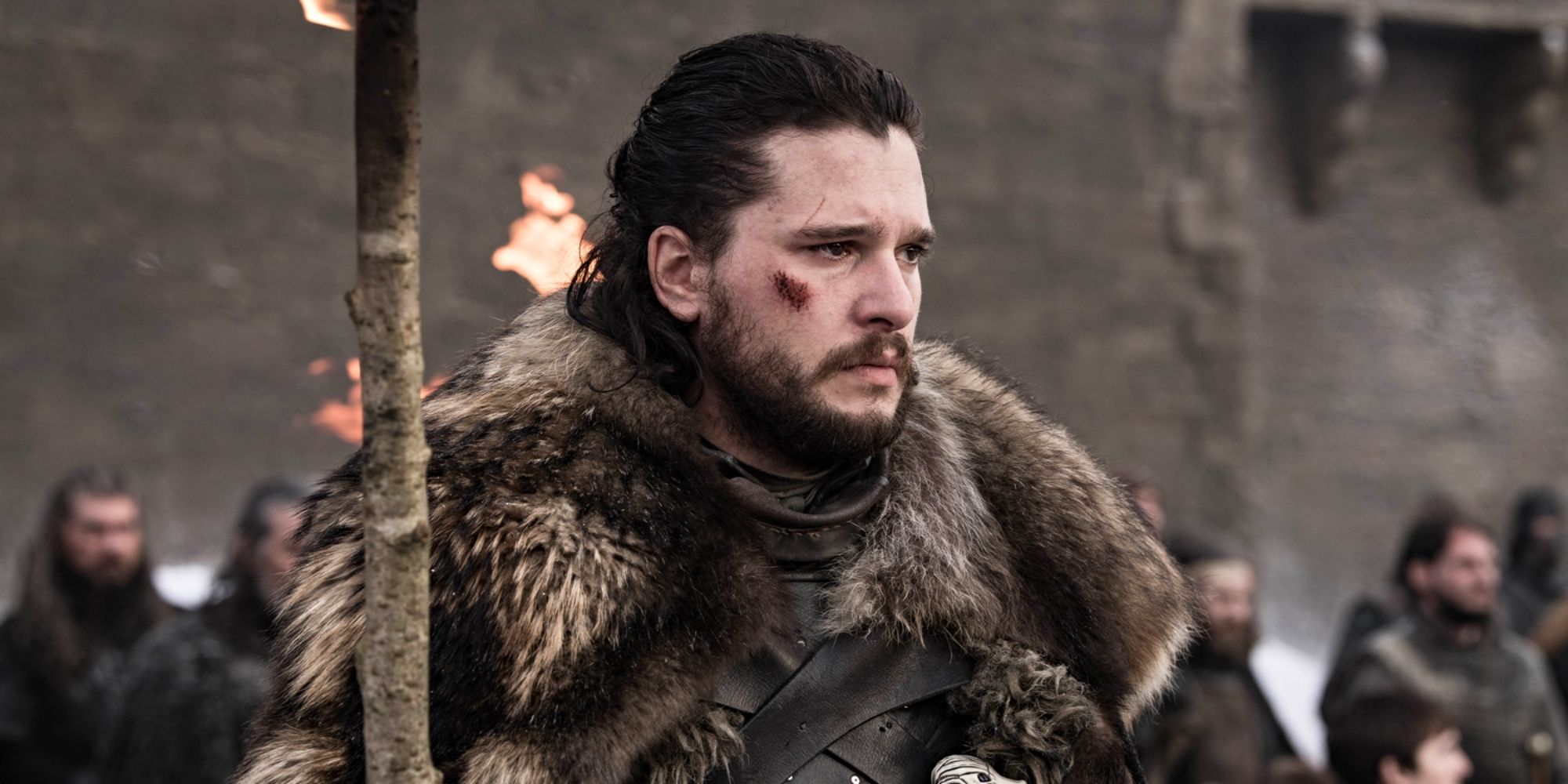
The Elder Scrolls V: Skyrim deserves a prestige television treatment that captures the expansive fantasy worldbuilding the 2011 Bethesda RPG established over more than a decade of player investment and creative modding. Collider argues that while Game of Thrones proved fantasy adaptations can command massive audiences, Skyrim offers richer creative potential than HBO's adaptation of George R.R. Martin's source material.
Skyrim's open-world architecture, dragon lore, and Nordic-inspired mythology provide narrative scaffolding that could sustain multiple seasons without the narrative entropy that plagued Game of Thrones' final chapters. The game's fractured political landscape, civil war between Stormcloaks and the Imperial Legion, and the return of Alduin the World-Eater create natural dramatic tension. Unlike Martin's books, where adaptation required heavy consolidation and invention, Skyrim's structure already mirrors prestige television's episodic storytelling potential.
The property remains culturally relevant. Skyrim has sold over 30 million copies across platforms and spawned countless fan communities, lore documentaries, and creative reinterpretations. Its modding ecosystem proves audiences crave deeper engagement with Tamriel's mythology. A television series could explore characters like the Dragonborn with the psychological complexity that elevated prestige fantasy, while tapping into audiences fatigued by Game of Thrones' decline.
Gaming adaptations have struggled historically, but recent successes like The Last of Us, Arcane, and Castlevania demonstrate that source material adapted with creative integrity performs. Skyrim's pre-existing visual language, established character archetypes, and absence of a definitive canonical storyline actually grant showrunners more creative freedom than traditional literary properties demand.
The challenge lies in translating a game centered on player agency into