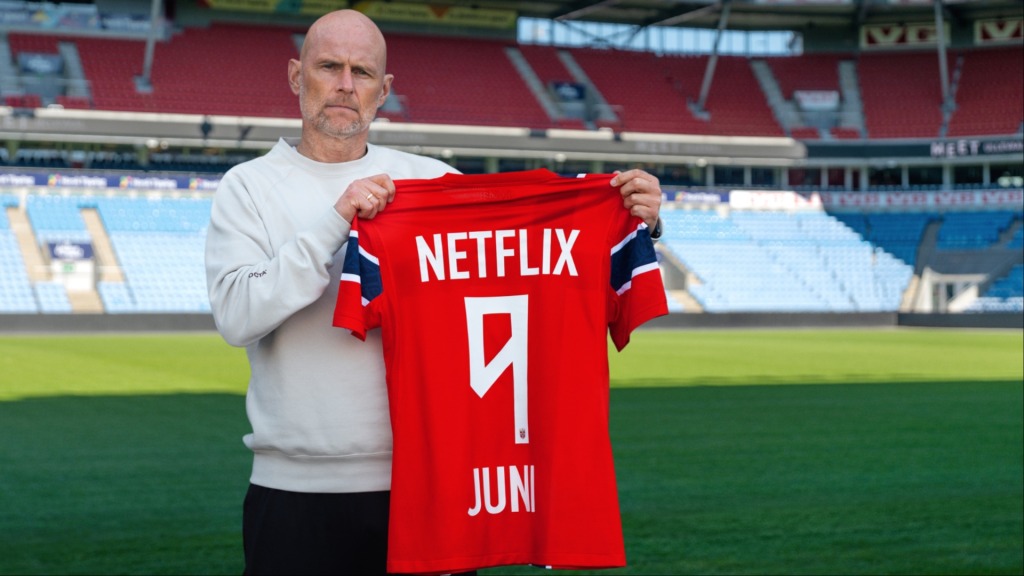
Netflix's push into live sports carries real risks for soccer's marquee event. The streamer has secured rights to produce documentaries and behind-the-scenes content around major sporting events, but a World Cup broadcast deal remains another beast entirely.
The skepticism stems from Netflix's uneven track record with live events. While the platform excels at narrative-driven documentaries like "Drive to Survive" and "The Last Dance," live sports demand different infrastructure, technical expertise, and reliability. A World Cup broadcast requires flawless streaming for billions of simultaneous viewers across continents. One buffering issue during a knockout match could damage the company's reputation beyond repair.
FIFA and other sports bodies guard the World Cup with reason. The tournament generates unparalleled global viewership and advertising revenue. Traditional broadcasters like Fox, BBC, and Telemundo invested billions because they've spent decades building sports broadcasting systems. They have redundancy, backup systems, and proven ability to handle peak loads during critical moments.
Netflix's core strength lies in on-demand content where buffering delays don't kill the product. Live sports operates under different pressure. A missed goal replay, a dropped feed during penalties, or technical failures during national matches could alienate massive audiences and spark international backlash.
The streamer also lacks sports commentary talent relationships that terrestrial networks maintain. World Cup broadcasts need expertise, analysis, and localized commentary that Netflix would need to build from scratch across multiple languages and regions.
Netflix has shown appetite for sports content, but appetite doesn't equal capability. The company proved itself with documentaries capturing what already happened. Broadcasting what happens in real time carries exponentially higher stakes. FIFA should think twice before trusting the world's biggest sporting event to a platform still figuring out live sports execution.