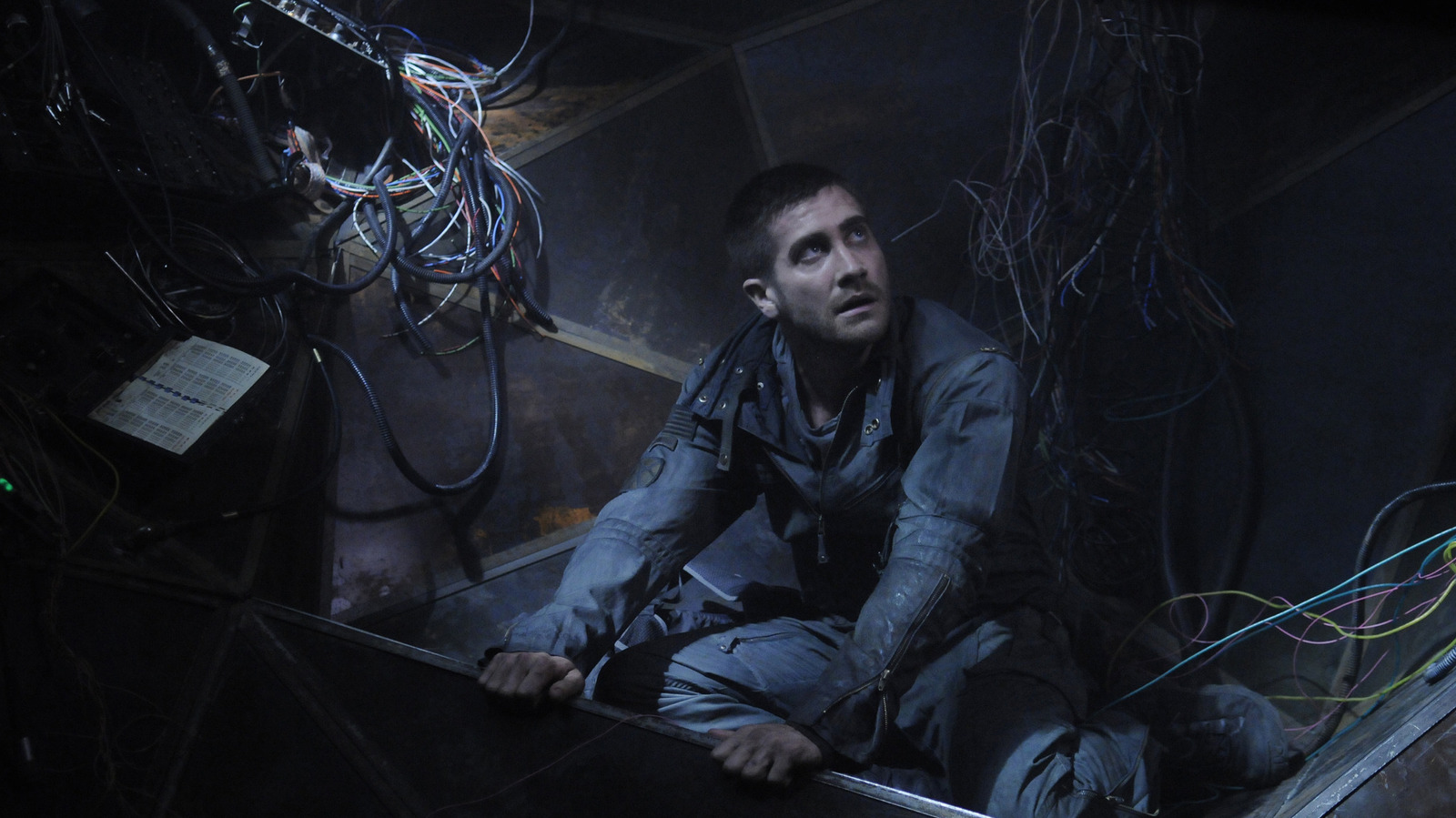
Jake Gyllenhaal's sci-fi blockbuster drew inspiration from real-world events, blending fictional technology with a character rooted in fact. While the film's speculative elements operate in pure science fiction territory, one character was developed from an actual person, grounding the narrative in authentic human experience.
This approach reflects a growing trend in blockbuster filmmaking where studios weave factual elements into high-concept narratives. By anchoring speculative worlds with real-life references, filmmakers create resonance with audiences who appreciate both the imaginative scope and the grounded authenticity. Gyllenhaal's involvement in the project suggests A-list star power behind the concept, positioning it as a significant entry in the contemporary sci-fi landscape.
The dual nature of inspiration—fictional technology paired with real-world character sourcing—creates a layered storytelling approach. This strategy allows audiences to engage with both the wonder of speculative worldbuilding and the emotional truth of character-driven drama. For studios, casting Gyllenhaal signals mainstream appeal and production value, essential ingredients for a blockbuster targeting wide theatrical audiences.
This hybrid inspiration model has proven effective in recent years. Films that balance spectacle with intimate character work, anchored by proven stars, tend to perform well commercially while earning critical consideration. The combination of Gyllenhaal's range as an actor with material that respects factual history creates marketing appeal across demographics.
The film joins a lineup of sci-fi projects that interrogate technology's impact on humanity through both fantastical scenarios and recognizable human stories. Whether exploring surveillance, artificial intelligence, or future warfare, these films use the speculative framework to comment on contemporary concerns while grounding narratives in relatable character arcs inspired by real individuals who navigated similar challenges or discoveries.