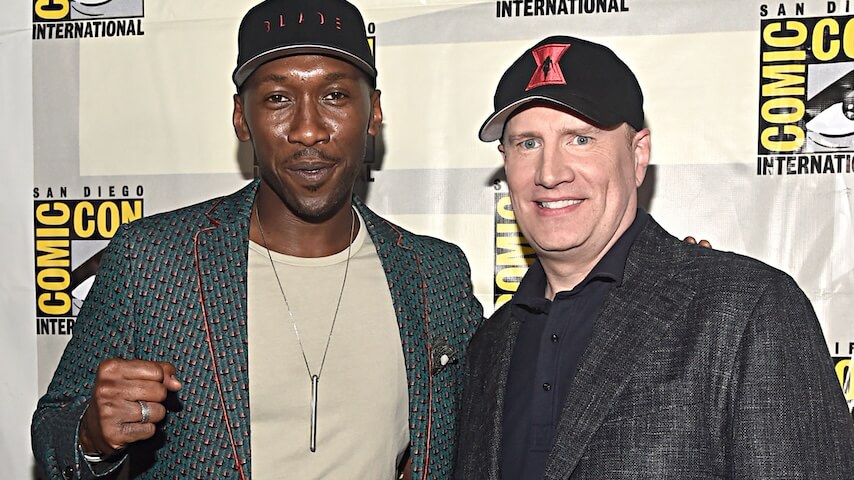
Kevin Feige's Marvel Cinematic Universe hit a major stumble with Blade. The project entered development in 2019 riding high on Mahershala Ali's Oscar win for Green Book, positioning the vampire-hunting reboot as a prestige addition to the superhero slate. Instead, the film has languished in development hell for years, with Feige now expressing regret over how the studio mishandled the adaptation.
The Blade project represents a rare misstep for Feige, whose MCU track record remains historically strong despite recent franchise fatigue. Landing an Academy Award winner like Ali should have accelerated development and solidified the film's place in Marvel's Phase slate. Instead, conflicting scripts, directorial changes, and creative direction shifts stalled momentum repeatedly. The project became a case study in how even star power and studio resources cannot guarantee smooth sailing in the superhero space.
Feige's self-criticism reflects growing industry acknowledgment that Marvel's assembly-line production model sometimes crushes creative vision. Blade needed a singular directorial voice and thematic clarity. What it got instead was a project caught between competing studio interests and tentpole expectations. The longer Blade stayed in development limbo, the more the project lost its cultural cachet.
Ali signed on when Marvel was still riding post-Endgame euphoria. Five years later, superhero fatigue has reshaped audience appetites entirely. The MCU's recent output, including underperforming theatrical releases and bloated Disney Plus series, eroded viewer enthusiasm. A Blade film needed to land in 2021 or 2022 to capitalize on Ali's heat and Marvel's post-pandemic momentum.
For Feige, characterizing himself as a "gigantic loser" over Blade signals something deeper than one fumbled adaptation. It reflects anxiety about Marvel's ability to course-correct