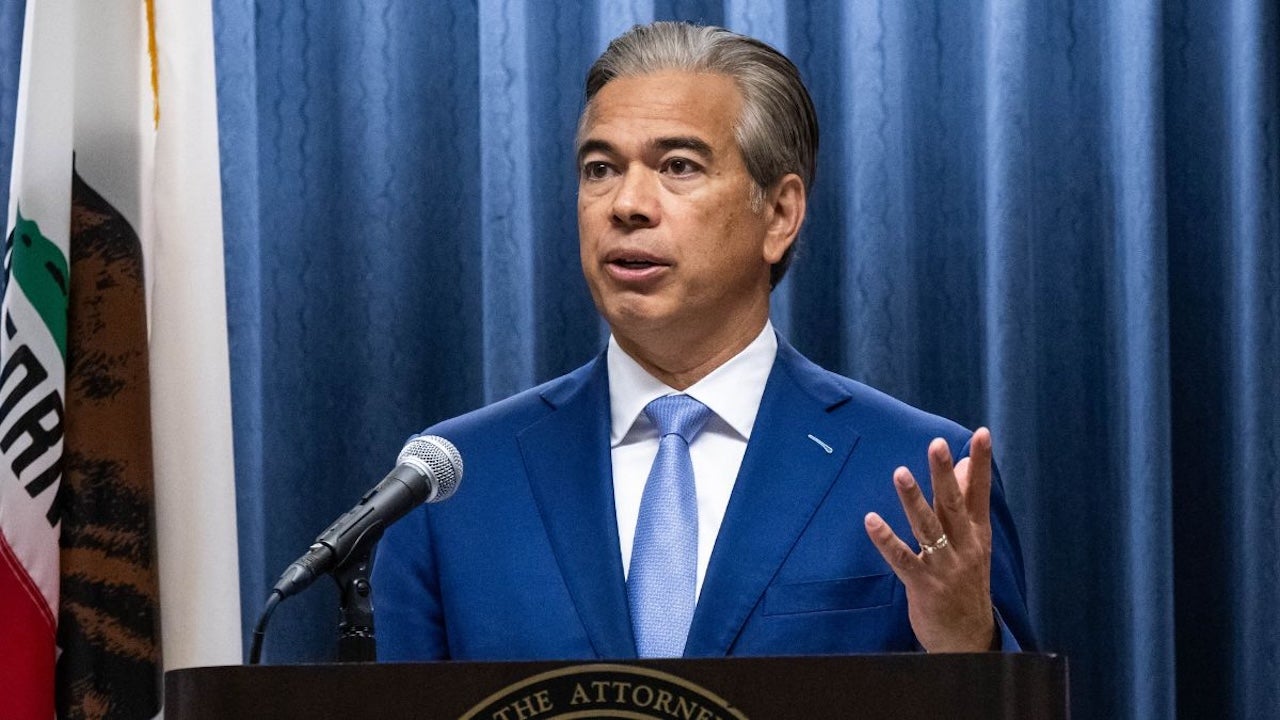
California Attorney General Rob Bonta pushed back against claims that his lawsuit against Paramount Global carries anti-Trump motivations, following a judge's temporary restraining order in the case. Bonta argued that the court's decision actually validates the substance of his legal challenge rather than undermining it based on political grounds.
"Ideological difference, political grievance, political posturing gets thrown out of court," Bonta said, characterizing the judge's ruling as a rejection of arguments that the state's case stems from partisan bias rather than legitimate legal concerns.
The lawsuit centers on Paramount's business practices and regulatory compliance issues under California law. Critics had suggested that Bonta's aggressive posture toward the media conglomerate reflected broader political motivations, a framing that Bonta rejected outright. The attorney general's office positioned the TRO as judicial validation that the case rests on factual and legal merit.
The temporary restraining order itself functioned as a procedural checkpoint in the litigation. Rather than dismissing Paramount's objections, the judge essentially allowed the case to proceed on its substantive claims while maintaining certain restrictions. Bonta interpreted this outcome as a vindication of his office's prosecutorial strategy.
This exchange reflects broader tensions within California's regulatory environment, where media companies frequently encounter aggressive oversight from state authorities. Paramount, as one of Hollywood's traditional major studios, has faced increased scrutiny from regulators and lawmakers regarding everything from labor practices to content policies.
Bonta's comments signal his office's confidence that the lawsuit will advance through the courts on the merits. The attorney general's emphasis on separating legal substance from political motivation addresses a persistent criticism that state-level enforcement actions sometimes blur these lines. By highlighting the judge's decision to maintain the case, Bonta reinforced his framing that legitimate legal questions exist independent of any political dimension observers might perceive.