Collider has compiled a ranking of fantasy cinema's most universally beloved adaptations, highlighting films that transformed literary classics into blockbuster spectacles. Mary Poppins, the 1964 Disney musical directed by Robert Stevenson, tops the conversation as a film that perfected the balance between whimsy and heart, drawing from P.L. Travers' source material while establishing its own cultural footprint.
Peter Jackson's The Lord of the Rings trilogy, particularly The Return of the King, represents the gold standard for adapting massive fantasy epics. Jackson's three-film commitment to J.R.R. Tolkien's opus proved that audiences would embrace lengthy, complex worldbuilding when executed with vision and budget. The Return of the King's Best Picture win at the 2004 Oscars cemented its legacy as both critical darling and popular phenomenon.
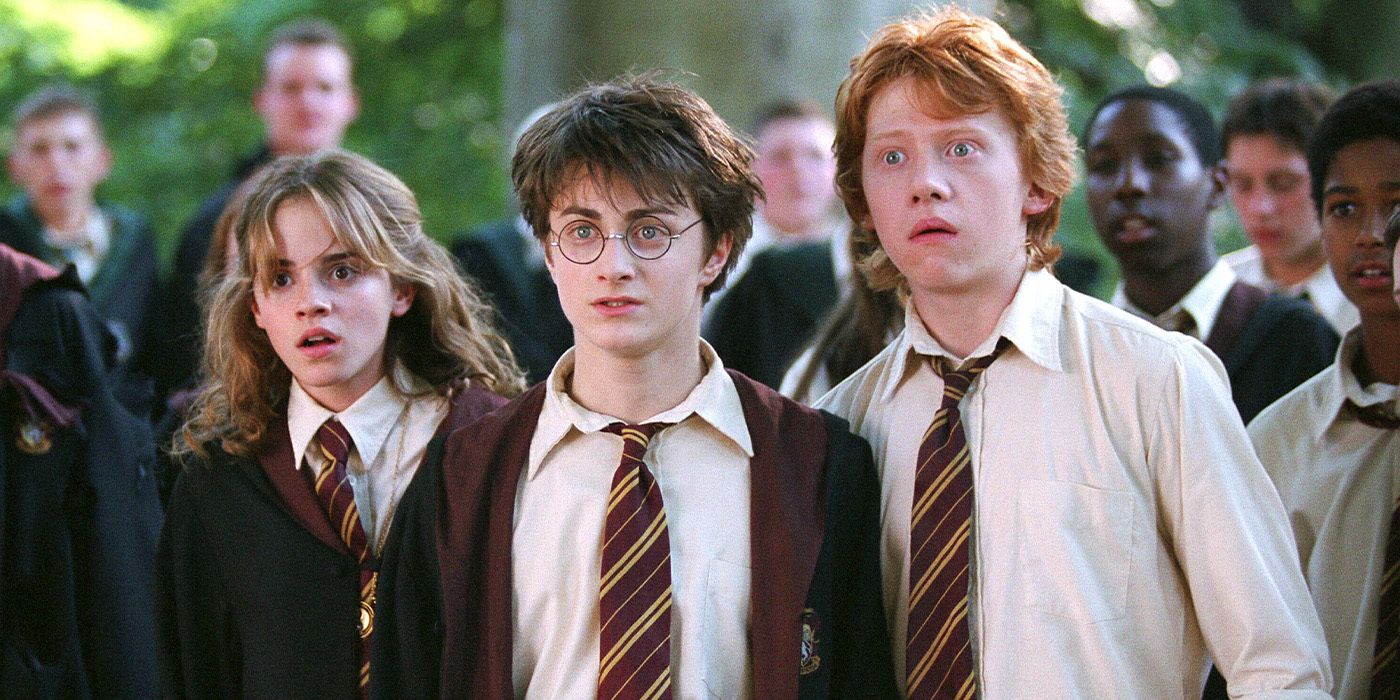
Harry Potter and the Prisoner of Azkaban rounds out the highlighted titles, marking the franchise's creative peak under director Alfonso Cuarón. Cuarón's darker, more visually sophisticated approach to J.K. Rowling's source material showed how book adaptations could mature alongside their audiences, ditching the broader strokes of Chris Columbus' earlier installments for something with genuine artistic ambition.
These films share common DNA. They respect their source material while understanding that film demands different storytelling rhythms than prose. They attract both hardcore fans of the books and casual viewers seeking escapism. They feature production values that justify theatrical experiences. And they've generated staying power across decades, remaining rewatchable rather than dated.
The fantasy adaptation landscape has shifted since these films dominated. Streaming platforms now hunt literary IP aggressively. Recent adaptations like Amazon's Rings of Power and Netflix's live-action Witcher series chase similar prestige and audience devotion. Meanwhile, audiences remain skeptical of book