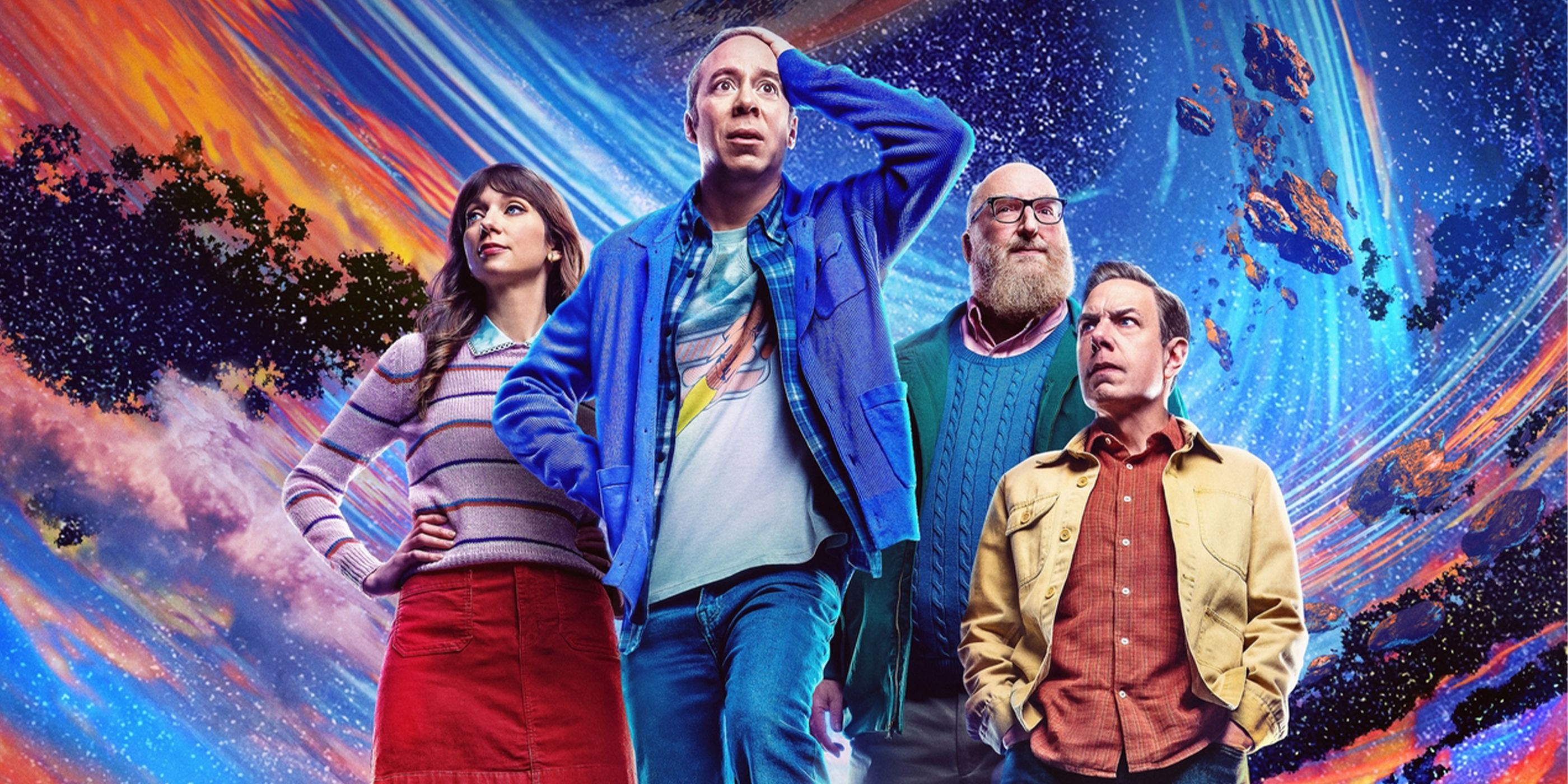
"Stuart Fails to Save the Universe" transforms The Big Bang Theory's most forgotten character into the unlikely hero of a sprawling multiverse narrative. The spin-off pulls Stuart Kibbler, the perpetually hapless comic book store owner played by Kevin Sussman, from the periphery of the original sitcom into the center of a genuinely ambitious sci-fi premise.
The series leans hard into multiverse mythology, a territory that feels deliberately distinct from The Big Bang Theory's laugh-track comfort zone. Rather than mining nostalgia or relying on cameos from the main cast, the show builds its own conceptual framework. Stuart's journey across alternate realities and fractured timelines gives the character the dramatic weight he never received as the butt of jokes in the original series.
This creative pivot works because it respects both the character and the audience's appetite for prestige sci-fi. The Big Bang Theory's spin-offs have historically played it safe. Young Sheldon leaned into prequel sentimentality. Georgie and Mandy's First Marriage followed traditional sitcom blueprints. Stuart's universe-hopping narrative takes genuine risks with structure and scope.
Kevin Sussman brings unexpected depth to material that demands more than comic timing. His portrayal finds pathos in a character designed to fail, which becomes the emotional core of a story about alternate versions of oneself and the weight of choices unmade. The mind-bending elements work because they're grounded in character stakes rather than just visual spectacle.
The series represents a calculated gamble for the franchise. It abandons the network sitcom formula that built The Big Bang Theory's empire in favor of serialized sci-fi storytelling. That tonal shift carries real risk. Some longtime fans may resist the tonal whiplash. Others will applaud the ambition.
What emerges is a spin-off that