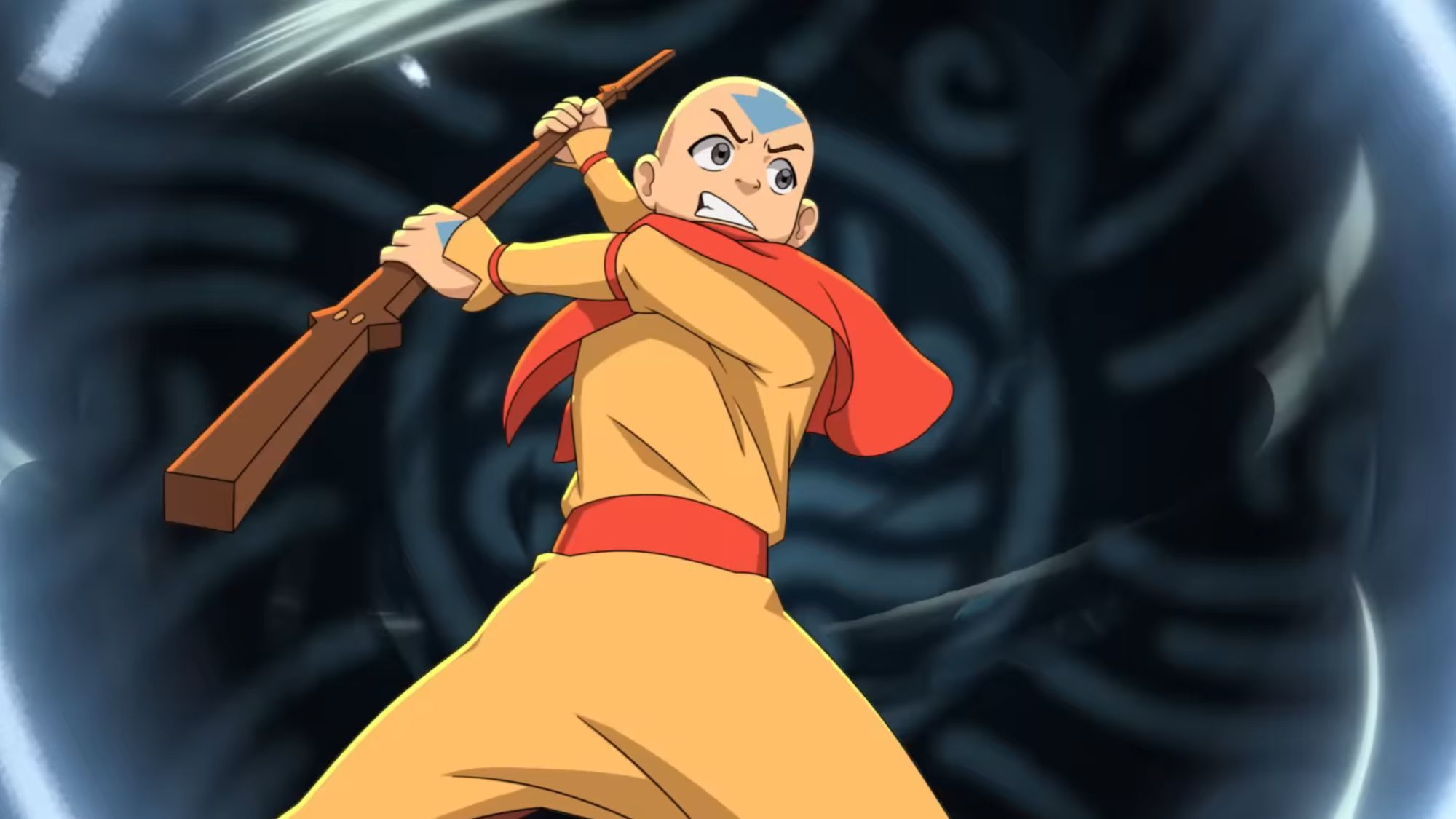
Avatar: The Last Airbender fans rejoice. Avalanche Software's video game adaptation of Nickelodeon's beloved animated series delivers the experience the franchise has desperately needed since the failed 2010 M. Night Shyamalan live-action film.
The game brings Aang, Katara, Sokka, and Toph back to life with a fresh take on the source material that honors the show's narrative and visual style. Critics praise the developer for understanding what made the original Nickelodeon series resonate with audiences across multiple generations. Rather than retreading plot points from the Netflix live-action adaptation in development hell, the game crafts its own story within the Avatar universe while capturing the show's tone, character dynamics, and spiritual depth.
Avalanche Software's track record with licensed games comes through here. The studio previously handled Disney Infinity and Hogwarts Legacy, both proving their ability to balance fan service with solid gameplay mechanics. Avatar: The Last Airbender follows suit, delivering combat that feels tied to bending abilities while maintaining accessibility for casual players and offering depth for those seeking challenge.
The arrival of a well-received Avatar game marks a turning point for a franchise that has faced adaptation struggles for years. The live-action film franchise stalled after its disappointing first installment, and Netflix's remake has faced production delays and creative upheaval. This game fills that void, giving fans quality content that actually understands the material.
Visual presentation captures the anime-influenced aesthetic of the original series, distinguishing it from other generic action games. Character designs and environmental art pull directly from Nickelodeon's animation style rather than attempting photorealistic reinvention.
For a franchise that has endured so much missteps in live-action adaptations, a video game becoming the standard-bearer for Avatar content represents both irony and relief